
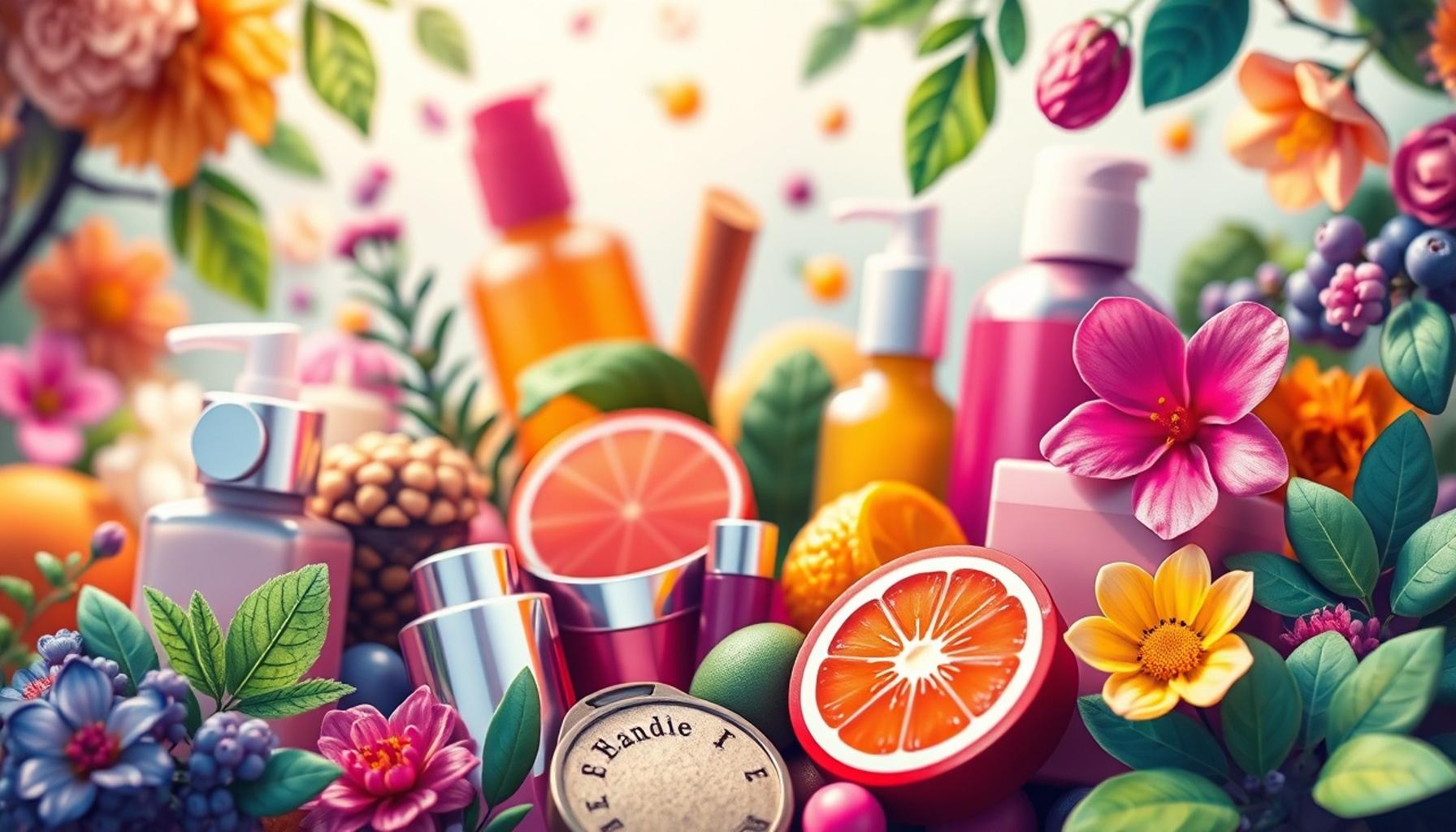
The Transformation of Beauty through Natural Ingredients
Over the decades, the beauty industry has witnessed a remarkable shift, particularly regarding the incorporation of natural ingredients in cosmetic products. As awareness among consumers grows regarding the chemicals they apply to their skin, there is an increasing demand for organic and sustainably sourced options. This burgeoning awareness not only influences consumer preferences but also significantly impacts product formulations, prompting brands to rethink their ingredient choices and manufacturing processes.
Key Factors Driving Change
Several core factors are driving this transformation within the beauty industry:
- Health Consciousness: Many consumers are becoming more cognizant of the potential hazards associated with synthetic chemicals in cosmetics. This heightened awareness often stems from concerns over skin sensitivities, allergies, and long-term health risks. As a result, there’s a growing trend toward the use of gentler, natural alternatives, which are perceived to be safer for both the skin and overall health.
- Sustainability: Environmental concerns are increasingly influencing consumer behavior, prompting brands to adopt eco-friendly sourcing practices and sustainable packaging solutions. As climate change and environmental degradation become more pressing issues, consumers are more inclined to support companies that prioritize the planet. For example, brands that utilize recyclable packaging or low-impact sourcing of ingredients are becoming more marketable and appealing to eco-conscious shoppers.
- Innovation: Technological advancements have made it possible to more efficiently extract and preserve the beneficial properties of natural ingredients. For instance, innovations in cold-press extraction techniques help preserve the potency of essential oils and botanical extracts, while developments in microbiome research are leading to the creation of products that enhance skin health through the use of prebiotics and probiotics.
Popular Natural Ingredients and Trends
The beauty landscape is currently thriving with an array of botanical extracts, essential oils, and trending ingredients such as activated charcoal and CBD oil. Activated charcoal is celebrated for its ability to draw out impurities from the skin, making it a favorite in detoxifying facial masks. Meanwhile, CBD oil is lauded for its potential anti-inflammatory properties, appealing to consumers seeking products that soothe irritation and promote skin health.
Today’s beauty enthusiasts are more empowered than ever, often conducting in-depth research into the ingredients of the products they purchase. This scrutiny is not merely about enhancing beauty but also about wellbeing and minimizing environmental impact. With the rise of apps and websites dedicated to dissecting beauty products, consumers can quickly become informed advocates for safer, greener choices.
The Future of Cosmetics
This evolution of the beauty industry spurs crucial questions about the future landscape of cosmetics. How are brands adapting to meet the demands for natural ingredients? What implications does this shift hold for regulations and product safety? As the market continues to evolve, it is essential for consumers, businesses, and regulators to engage in dialogue about the importance of transparency and safety in cosmetic formulations.
As we venture deeper into the realm of natural ingredients, the exploration will continue to uncover the dynamic and transformative effects these components have on the beauty industry. Each step in this journey signifies not just changing products, but a revolution in how consumers view beauty and personal care—encouraging an ongoing commitment to health, sustainability, and innovation.
DISCOVER MORE: Click here to learn about the benefits of hyaluronic acid
Decoding the Trend: The Intricacies of Natural Ingredients
The surge in popularity of natural ingredients within the cosmetic sector is not merely a fad; it reflects a broader cultural shift towards wellness and sustainability. As consumers become increasingly aware of the complexities surrounding product formulations, brands are pressed to innovate and adapt. The implications of this movement are profound, as the choices made in ingredient sourcing resonate across health, environmental stewardship, and fiscal responsibility.
The Rise of Clean Beauty Standards
In recent years, the term “clean beauty” has gained traction, encouraging brands to define their commitment to transparency. This trend is influenced by a growing body of research linking synthetic ingredients to various skin irritations and long-term health concerns. Major retailers and online platforms now prioritize products labeled as clean, prompting brands to scrutinize their offerings closely. Consumers today are not only concerned about the efficacy of a product but also about its ingredient integrity.
A survey conducted by Mintel revealed that more than 50% of American consumers check ingredient lists before purchasing cosmetics. This statistic underscores the desire for clarity and trust in product labeling, leading to a rise in the following categories:
- Vegan Formulations: The demand for products free from animal-derived components reflects not only ethical considerations but also the aim of minimizing allergens.
- Organic Certifiers: With governmental and non-governmental certifiers overseeing organic claims, brands that pursue this certification often benefit from enhanced consumer trust.
- Minimalist Ingredients: Consumers are gravitating towards products with fewer but effective ingredients, often opting for multi-functional items that streamline their beauty routines.
Roots of Natural Ingredients in Heritage and Culture
The use of botanical ingredients in cosmetics traces back centuries, with many cultural traditions utilizing the healing properties of plants. From ancient Egyptian beauty rituals incorporating oils such as jojoba and argan, to the use of aloe vera in Asian beauty regimes, natural components have played a pivotal role in skincare across the globe. Today’s brands are increasingly tapping into this wealth of knowledge, often sourcing ingredients by blending traditional practices with modern science.
The concept of beauty as a natural phenomenon is gaining momentum, resulting in recognizable figures championing clean beauty. Celebrities and influencers frequently share their journeys towards embracing natural skincare, promoting products that align with their ethical values. As more well-known faces endorse natural formulations, the allure of these products gains an even stronger foothold in mainstream culture.
Challenges in the Natural Ingredients Landscape
Despite the many benefits, the transition to natural ingredients is not devoid of challenges. Formulating effective products using these ingredients requires significant research and investment, especially as consumer expectations rise for powerhouse results. Brands often need to confront the reality that not all natural ingredients deliver consistent performance, leading to a need for rigorous testing and quality control.
Furthermore, the absence of universally accepted regulations around what constitutes “natural” can create confusion for consumers. This lack of standardization allows companies to make broad claims without substantial backing, posing a risk of fostering skepticism among increasingly discerning buyers.
As the beauty industry continues to evolve, the role of natural ingredients will undoubtedly be a focal point in discussions around innovation, sustainability, and consumer education. Recognizing these nuances is crucial, as beauty enthusiasts seek products that authentically resonate with their values while ensuring efficacy and safety.
| Advantages | Key Features |
|---|---|
| Sustainability | Using natural ingredients reduces environmental impact and promotes eco-friendly practices. |
| Health Benefits | Natural ingredients are often less irritating on the skin, making them suitable for sensitive skin types. |
As the demand for transparency and sustainability in cosmetic products rises, the evolution of natural ingredients in cosmetics reflects a significant shift in consumer preferences. Previously dominated by synthetic compounds, the industry now embraces a more organic approach, addressing both the environmental concerns and the health consciousness of consumers.Not only do these natural formulations appeal to environmentally aware shoppers, but they also offer a wealth of health benefits. With ingredients sourced directly from nature, products are less likely to contain harmful chemicals, providing an excellent alternative for individuals with sensitive skin. In fact, essential oils, plant extracts, and botanicals have long been recognized for their therapeutic properties.In this dynamic landscape, the exploration of natural ingredients is far from over. Brands are continually on the lookout for innovative and effective ingredients derived from nature, ensuring that consumers can enjoy the best of both worlds: luxurious skincare without compromising their health or the planet. Maintaining a focus on ethical sourcing and production processes is essential, fostering trust and loyalty among consumers who prioritize sustainability and health in their beauty regimes.
DISCOVER MORE: Click here to learn about the shift from natural to synthetic cosmetics
Navigating the Science of Natural Ingredients
As the beauty landscape shifts towards natural ingredients, the intersection of science and nature becomes pivotal. Consumers are keen to understand how these what seem to be simple botanicals can deliver high-performance results without the use of conventional synthetic elements. The adoption of bioengineering techniques is playing a crucial role in this evolution, allowing brands to harness the power of nature more effectively while ensuring product stability and efficacy.
Innovations in Extraction and Formulation Techniques
Advancements in extraction methods, such as cold-pressing and supercritical CO2 extraction, allow brands to capture and concentrate the beneficial compounds of natural ingredients. These technologies offer enhanced purity and potency, resulting in formulations that can compete with their synthetic counterparts. For example, cold-pressed oils retain superior nutrient profiles compared to traditionally extracted oils, ensuring that consumers receive the full spectrum of benefits straight from nature.
Moreover, emerging innovations such as nano-encapsulation allow for better penetration of active ingredients into the skin. By enveloping natural extracts in nano-sized particles, these technologies enhance absorption while preserving the delicate nature of the actives. This has led to a rise in popularity of products featuring potent natural extracts like green tea and hyaluronic acid, which are now being formulated to deliver sustained hydration and antioxidant protection without the need for extensive chemical additives.
The Role of Consumer Education in the Natural Ingredient Narrative
To fully embrace the potential of natural ingredients, brands have recognized the importance of educating consumers. As the demand for transparency rises, companies are investing in marketing strategies that prioritize knowledge-sharing. Many brands are enhancing product labeling to provide detailed ingredient stories, often showcasing the source and purpose of each component. This not only builds trust but cultivates a more informed customer base capable of making conscious purchasing decisions.
Furthermore, social media platforms are transforming the way consumers engage with brands. Tutorials, blogs, and reviews provide insights into the effectiveness of natural products, fostering a community that values shared experiences. According to a 2022 survey by Statista, approximately 45% of consumers from the U.S. engaged with beauty-related content on social media, reflecting an unwavering interest in honest discussions about products and ingredients.
The Future: Sustainability and Sourcing Practices
As brands pivot toward natural ingredients, sustainability and ethical sourcing have emerged as non-negotiable values among consumers. Brands are increasingly collaborating with local farmers and indigenous communities to source ingredients sustainably, ensuring fair trade practices that provide economic benefits to these groups. This shift not only protects fragile ecosystems but also supports local economies, fostering a sense of social responsibility that resonates deeply with today’s mindful consumers.
Moreover, initiatives aimed at reducing plastic use are shaping future product offerings, with many brands embracing refillable packaging and biodegradable materials. The trend towards sustainable packaging is becoming a critical aspect of product appeal, as consumers seek to minimize their environmental footprint. A 2021 report by Ecovia Intelligence stated that around 64% of American shoppers are willing to pay a premium for sustainable products, further reinforcing the connection between ethics and purchasing choices in the realm of cosmetics.
In summary, the evolution of natural ingredients in cosmetic products is a multi-faceted journey, woven through science, tradition, and consumer empowerment. The path ahead is illuminated by a growing commitment to sustainability, education, and innovation, as both brands and consumers adapt to new paradigms in beauty. As this revolution unfolds, the possibilities seem both limitless and exciting, promising a vibrant future for those seeking harmony between nature and beauty.
DIVE DEEPER: Click here to learn about the latest trends
Looking Ahead: The Natural Ingredient Landscape in Cosmetics
In conclusion, the journey towards the incorporation of natural ingredients in cosmetic products signifies not only an adaptation to consumer preferences but also a broader reflection of society’s values regarding health, wellness, and environmental stewardship. As outlined, the fusion of advanced extraction techniques and bioengineering has reshaped how these ingredients are harnessed, enabling brands to develop products that provide high-performance results while prioritizing safety and efficacy.
The emphasis on education cannot be overstated; informed consumers are more equipped to make choices that align with their ethical standards and skincare needs. Brands that successfully communicate the benefits and sourcing stories of their natural ingredients foster a loyal customer base that values transparency and integrity. This trend is further heightened by the digital landscape, wherein social media acts as a powerful conduit for sharing consumer experiences and product efficacy, influencing purchasing decisions.
Looking forward, the emphasis on sustainability will likely dominate the narrative surrounding natural cosmetics. As the movement for ethical sourcing and eco-friendly packaging continues to gain momentum, brands that align with these values will differentiate themselves in a crowded market. According to recent studies, sustainable messaging not only resonates with consumers but also capitalizes on the growing demand for responsible consumption.
As we conclude this exploration into the evolution of natural ingredients in beauty, it’s clear that this dynamic landscape is set to grow. By harnessing the potential of nature through innovative practices and fostering a culture of sustainability, the future of cosmetics promises to be both enlightening and transformative. For those passionate about beauty and the planet, engaging with this evolution offers an exciting opportunity to redefine the meaning of beauty in our lives.