
Investments in Renewable Energy: Capital Growth in a Sustainable Future
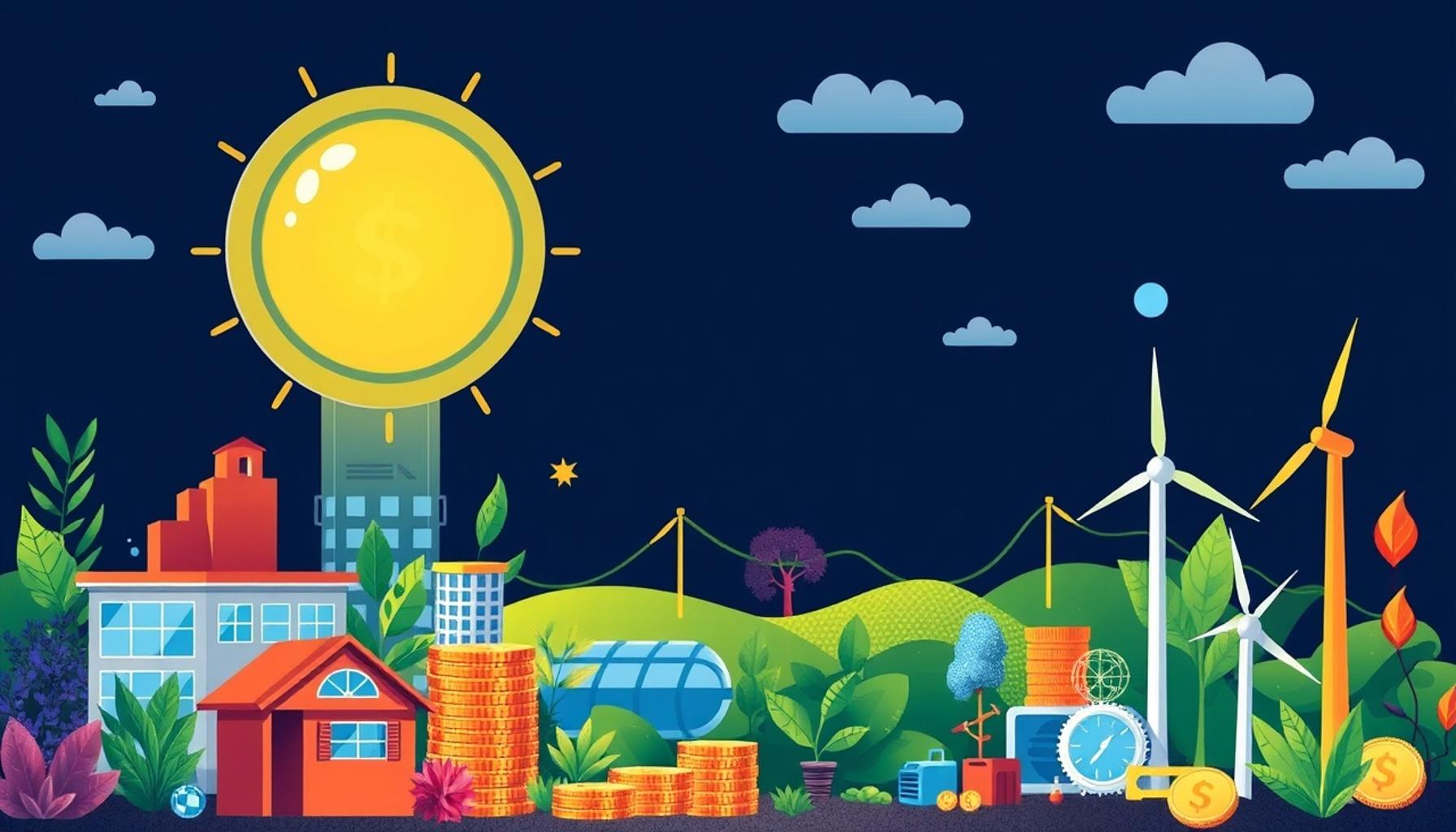
Understanding the Shift Toward Renewable Energy Investments
As climate change concerns escalate globally, the urgency for investing in renewable energy solutions becomes ever more imperative. In the United States, this transformation is actively redefining how energy is produced, distributed, and consumed. Not only does this shift present an opportunity for responsible investing, but it also plays a significant role in mitigating environmental challenges that threaten our planet.
Key Reasons to Invest in Renewable Energy
There are several compelling reasons to consider investments in renewable energy sources, each backed by robust data and trends. Some of the most noteworthy include:
- Government Incentives: Various initiatives, such as the Investment Tax Credit (ITC) for solar energy projects and the Production Tax Credit (PTC) for wind projects, provide financial aid that boosts the profitability of renewable investments. These incentives serve as a solid foundation for long-term growth in the sector.
- Technological Advancements: Innovation in renewable technologies, like improved photovoltaic cells in solar panels and more efficient wind turbines, has made renewable energy not only a cleaner alternative but also an affordable one. This evolution lowers the overall costs for investors while enhancing energy output, making it a more attractive option.
- Market Demand: Increased consumer awareness around climate issues has fostered a significant movement toward sustainable energy. According to a 2021 survey from the Pew Research Center, 79% of Americans support the development of alternative energy sources. This shift in mindset fuels market growth and demands more investment in renewable technologies.
Financial Implications and Market Growth
The financial ramifications of this transition are profound. Analysts have projected that the global market for renewable energy will reach a staggering $2 trillion by 2025. As institutional investors, including pension funds, increasingly channel their resources into renewable projects, the potential for long-term profits grows, allowing both profit and planet-friendly intentions to flourish together.
Exploring Investment Avenues
Investors eager to participate in this dynamic sector have multiple avenues to explore, including:
- Solar Energy Projects: From large-scale solar farms to funding residential solar panel installations, the potential for return on investment is vast. As the technology continues to scale, costs are expected to decline further, making it an increasingly viable option for investors.
- Wind Energy Ventures: Investments in wind energy are crucial, with opportunities ranging from community wind projects to offshore wind farms. As states like Texas lead the nation in wind energy production, investors can capitalize on this trend by participating in local projects.
- Energy Storage Solutions: Supporting innovations in battery technologies, such as lithium-ion batteries and emerging alternatives like solid-state batteries, can enhance energy efficiency. These solutions are essential for ensuring that renewable energy can be stored and used effectively, which is paramount for the sector’s growth.
Conclusion: A Path to a Sustainable Future
As we delve deeper into the renewable energy landscape, we uncover not just a burgeoning industry but a vital movement toward a sustainable future. By investing in renewable energy, individuals and institutions can potentially enjoy impressive capital growth while contributing meaningfully to combatting climate change. Indeed, the intersection of profit and purpose is where the real potential lies in our evolving energy ecosystem.
DIVE DEEPER: Click here to discover more
The Economic Landscape of Renewable Energy Investments
Despite historical hesitations surrounding the integration of renewable energy into mainstream financial markets, recent trends demonstrate a transformative shift. The conversation is no longer focused on whether sustainability can coalesce with profitability; instead, it is about how rapidly investors can adapt to leverage this growing sector. The adoption of renewable energies is not merely an environmental imperative but also an economic opportunity that promises substantial returns and resilience in the face of fluctuating fossil fuel prices.
The Economic Performance of Renewable Energy
Investing in renewable energy has evolved into a promising avenue for not just environmental, but financial sustainability. Data from the International Renewable Energy Agency (IRENA) suggests that the global renewable energy sector is projected to employ over 24 million people by 2030, indicating a burgeoning market that is rapidly maturing. Moreover, as more jobs are created, consumer demand increases, subsequently driving capital investment in renewable technologies.
Moreover, returns on renewable energy investments are becoming more favorable. A report from Lazard indicates that the levelized cost of energy (LCOE) for solar and wind power has plummeted by more than 88% and 70%, respectively, since 2009. Such cost declines do not only enhance project viability; they also cement renewable sources as competitive alternatives to traditional energy markets. As investors seek stable, long-term returns, the decreasing costs associated with renewable energy projects are particularly appealing.
Factors Driving Financial Growth
Several influential factors are fueling the accelerating growth of renewable energy investments:
- Corporate Commitment to Sustainability: Corporations across various industries are committing to sustainability goals, often pledging to reach net-zero emissions by 2050. Such commitments push companies to invest in renewable sources of energy to both mitigate risks and align with consumer expectations.
- Decentralized Energy Solutions: A rising trend of microgrid systems and localized energy generation allows communities and businesses to produce and consume energy independently. These systems not only empower consumers but also enhance energy security, further attracting investor interest.
- Global Investment Trends: As of 2022, global investment in new renewable energy capacity exceeded $300 billion, a figure that is likely to grow. As nations set aggressive renewable energy targets, investment in this sector is expected to outpace traditional energy investments significantly.
Furthermore, the financial sector has taken notice. Green bonds, sustainability-linked loans, and environmental, social, and governance (ESG) funds have gained traction, allowing investors to directly support renewable energy projects while yielding competitive returns. The launch of innovative financial instruments tailored to renewable sources facilitates access to much-needed capital, further propelling market growth.
Challenges and Opportunities
While the landscape is promising, it’s essential to acknowledge the challenges that accompany investments in renewable energy. Factors like regulatory complexities, public acceptance, and technological risks can present hurdles. However, such challenges also represent areas ripe for innovation and ingenuity, allowing savvy investors to capitalize on overcoming these obstacles. In the coming years, effectively navigating these complexities could distinguish successful investors from their peers, reinforcing the rationale for investing in a sustainable future.
| Category | Key Benefits |
|---|---|
| Economic Efficiency | Reduced energy costs and potential for job creation in the renewable sector. |
| Environmental Impact | Lower carbon emissions contributing to a healthier planet and enhanced community sustainability. |
As the world shifts towards sustainable practices, investments in renewable energy are not just a trend but a necessity. One of the most compelling aspects is the economic efficiency it introduces. By focusing on renewable sources such as solar, wind, and hydroelectric energy, communities can experience reduced energy costs and ultimately lower utility bills. These savings are complemented by the potential for job creation, significantly impacting local economies.Furthermore, the environmental impact of transitioning to renewable energy cannot be overstated. With a focus on technologies that lower carbon emissions, we take crucial steps toward combating climate change. This shift not only benefits the environment but creates a ripple effect, enhancing the sustainability of communities. Engaging in these investments means fostering a future where economic growth aligns seamlessly with ecological preservation, making it a *prime opportunity* for forward-thinking investors. This transformative approach to energy not only promises capital growth but invites individuals to become part of a greater solution, promoting an ecosystem where profitability meets responsibility.
DIVE DEEPER: Click here to learn more about REITs
Navigating the Renewable Energy Investment Landscape
The burgeoning field of renewable energy investments harbors unprecedented opportunities, yet navigating its complexities demands a nuanced understanding of market dynamics and policy landscapes. As the sector matures, a comprehensive exploration of emerging technologies, policy shifts, and global collaboration is critical for capitalizing on the potential inherent within sustainable energy solutions.
Emerging Technologies Shaping the Future
Innovation in renewable energy cannot be overstated, with advancements across multiple fronts generating significant investment opportunities. Energy storage technologies—particularly batteries—are at the forefront, addressing the intermittent nature of sources like solar and wind. The global battery market is projected to exceed $100 billion by 2027, driven by a surge in electric vehicle adoption and the demand for grid storage solutions. Companies such as Tesla and Panasonic are actively developing lithium-ion batteries, making substantial investments to ramp up production capabilities.
Furthermore, the application of blockchain technology has begun to revolutionize how energy is traded and consumed. Using blockchain, decentralized energy exchanges can be established, where households with solar panels can sell excess energy directly to neighbors, thus fostering community resilience. Investments in blockchain-based energy solutions are slowly gaining traction and promise to reshape the energy market landscape.
The Role of Policy and Regulation
In the United States, federal, state, and local policies significantly impact renewable energy investments. The Investment Tax Credit (ITC) and the Production Tax Credit (PTC) have historically served as powerful incentives, providing tax benefits to investors in solar and wind projects. The recent passage of the Inflation Reduction Act furthers this trend, channeling billions into clean energy initiatives and reinforcing long-term commitment toward offsetting initial investment risks. These favorable regulatory environments not only enhance investment security but also catalyze robust growth across various renewable sectors.
Nonetheless, it is crucial for investors to remain cognizant of potential policy changes under different administrations. The cyclical nature of legislation can create an ebb and flow in the market, prompting investors to keep a pulse on policy shifts and adapt their strategies accordingly.
Global Collaboration and Investment Trends
As countries worldwide commit to reducing carbon emissions, the demand for cross-border collaboration in renewable investments markedly increases. Transitioning to a sustainable energy future necessitates collective action, with global initiatives such as the United Nations’ Sustainable Development Goals (SDGs) providing frameworks for countries to align their investment priorities. This international focus fosters not only an exchange of ideas and technologies but also drives funding channels aimed at renewable projects across diverse geographies.
- Public-Private Partnerships: Collaboration between governmental agencies and private investors is becoming increasingly essential. Such partnerships enable risk-sharing, pooling resources to finance large-scale renewable projects while maintaining accountability.
- Emerging Markets: Developing countries represent a rapidly expanding frontier in renewable energy investment. With an increased focus on economic development and urbanization, investments in renewable capacities in these regions can yield exceptional returns and help address energy poverty.
The increasing global flow of capital into renewable energies represents a shift in investor sentiment. As the world edges towards its 2050 climate goals, the dialogue surrounding investments in renewable energy will continue to grow. Sustainable energy solutions present a multifaceted landscape where savvy investors can explore opportunities, driving not only financial returns but also social and environmental impact.
DISCOVER MORE: Click here to learn how commodities can boost your portfolio
Conclusion: Embracing the Future of Renewable Energy Investments
The investment landscape in renewable energy is not just evolving; it is transforming into a cornerstone of global sustainability and economic prosperity. As evidenced in recent advancements in energy storage technologies and the integration of revolutionary tools like blockchain, this sector is ripe with innovative opportunities poised to reshape the market. Investors who adapt and capitalize on these changes will not merely participate in capital growth but will also contribute to a more sustainable and resilient future.
Moreover, the fusion of public and private funding through partnerships enhances the feasibility of large-scale projects, assuring that the transition to renewable energy is both economically viable and socially responsible. The U.S., with its robust policy frameworks such as the Investment Tax Credit (ITC) and the Production Tax Credit (PTC), stands as a testament to how government support can catalyze significant investments, ensuring a competitive edge in a rapidly advancing global market.
Looking ahead, investors must remain vigilant and adaptive to the shifting political landscapes that could redefine the regulatory environment. As emerging markets become increasingly receptive to renewable energy solutions, the potential for both financial returns and societal growth is substantial. By embracing the challenge and potential of renewable energy, investors can play a pivotal role in forging a sustainable future, maximizing both profits and positive impacts on our planet.
In conclusion, the urgency for renewable energy investments is greater than ever. As we approach climate goals for 2050, the dialogue surrounding renewable investments will intensify, presenting exciting opportunities for those ready to engage in this vital endeavor.