
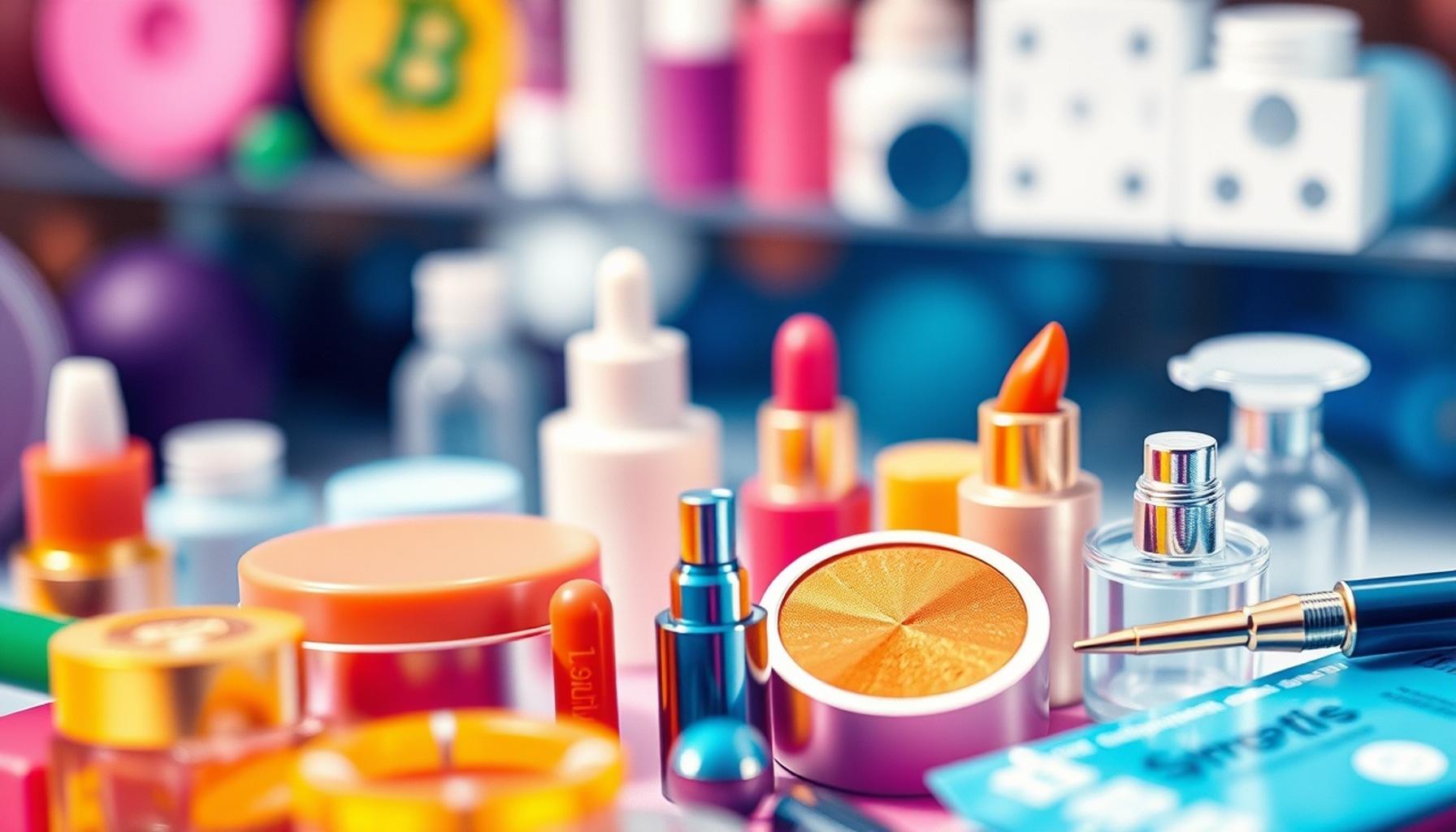
The Evolving Role of Technology in Beauty
The beauty industry is witnessing a dramatic transformation, propelled by groundbreaking innovations in cosmetic product formulations. As consumers become more discerning, seeking personalized and effective solutions, brands are increasingly leveraging technology to redefine modern beauty standards.
- Advanced Ingredients: Modern formulations are embracing an array of new active ingredients that promise enhanced benefits. For instance, probiotics are now recognized for their ability to improve skin health by maintaining a balanced microbiome, while adaptogens, such as ashwagandha and reishi mushrooms, are believed to help combat skin stress and promote resilience. These innovative ingredients not only represent a shift toward more holistic skincare but also cater to the growing consumer demand for transparency and efficacy.
- Smart Devices: The beauty tech landscape is booming with the advent of app-connected skincare devices. Gadgets like LED masks and sonic cleansing brushes allow users to track their skincare routine and receive personalized recommendations through companion apps. One notable example is the Foreo UFO, a smart mask device that uses a combination of heat, cooling, and T-Sonic pulsations to enhance ingredient absorption and results. These advancements not only improve the effectiveness of products but also elevate the overall user experience, transforming skincare into an interactive routine.
- Sustainable Practices: Sustainability has become a core focus in the beauty sector, and technological advancements are paving the way for more eco-friendly practices. Innovations like biodegradable packaging and waste-reducing manufacturing processes reflect a commitment to minimizing the environmental impact of cosmetics. Brands such as Lush and Seed Phytonutrients are leading the charge, employing sustainable methods that resonate with consumers who prioritize both effectiveness and eco-consciousness in their choices.
In this ever-evolving landscape, innovation is not merely a trend but an essential driver for the future of beauty. The merger of science and creativity ushers in a new era where products are designed not only for efficacy but also for safety and sustainability.
Moreover, technology is enhancing accessibility in the beauty world. With innovations such as AI-driven product recommendations and augmented reality (AR) try-ons, consumers can now visualize how products will look on their skin before making a purchase. Brands like YouCam Makeup are using AR technology to allow users to experiment with thousands of makeup shades in real-time, revolutionizing the shopping experience.
As we continue to explore the intricate relationships between beauty and technology, it becomes clear that these advancements hold the potential to reshape consumer expectations and experiences drastically. The future of cosmetics is not only about enhancing beauty but also about paving the way for a more informed, inclusive, and environmentally conscious industry.
DISCOVER MORE: Click here to learn about the benefits of natural ingredients
Revolutionizing Formulations with Cutting-Edge Technology
The impact of technology on cosmetic product formulations is profound, unfurling a new chapter in the beauty industry that prioritizes efficacy, safety, and personalization. The confluence of science and creativity is urging brands to rethink traditional approaches, leading to the development of revolutionary products tailored to today’s discerning consumers.
Among the most significant changes in cosmetic formulations is the integration of biotechnology. This field harnesses living systems and biological processes to innovate ingredient sourcing and product efficacy. For instance, companies are increasingly utilizing lab-grown ingredients, which not only reduce reliance on harvested resources but also allow for enhanced potency and purity. Examples include fermented ingredients derived from yeast or bacteria that optimize skin absorption and boost hydration levels—emphasizing a shift toward cleaner, more effective skincare solutions.
Consumer-Centric Innovations
Understanding consumer needs has never been more critical in the beauty market. Innovative brands are now employing advanced data analytics to gather insights about customer preferences and trends. This data-driven approach allows companies to create personalized beauty experiences, offering everything from tailored skincare regimens to customized makeup shades. For example, foundation brands like Fenty Beauty have revolutionized the way consumers select shades by providing a vast range and leveraging augmented reality (AR) to assist customers in finding their perfect match.
- Smart Formulations: With innovations like encapsulation technology, active ingredients are protected in tiny capsules that are designed to release upon application, maximizing their effectiveness and minimizing deterioration. Brands are exploring this technology to create more potent serums and creams that deliver optimal results.
- Continuous-Release Technologies: This groundbreaking method allows ingredients to be absorbed over time, translating to longer-lasting hydration and sustained benefits for the skin. Such innovations are particularly appealing to consumers looking for low-maintenance, high-impact solutions.
- Customized Skincare: Direct-to-consumer brands increasingly utilize AI algorithms to analyze users’ skin conditions, recommending bespoke formulations that cater specifically to individual needs. This level of personalization signifies a significant leap toward consumer empowerment and satisfaction.
The embrace of technology extends beyond product formulation; it also shapes the very way consumers engage with beauty. Online platforms and social media are essential tools for brands to communicate their innovations, allowing for faster consumer feedback loops that inform future product development. In this swift-moving digital environment, the brands that can adapt and respond to consumer demands are the ones that will thrive.
In summary, as technology continues to evolve, the possibilities within cosmetic product formulations are both exciting and expansive. By harnessing the power of innovation, the beauty industry is setting new standards, where products are not just created—they are engineered to meet the diverse needs of modern consumers. This new landscape not only enhances beauty but also shapes a more informed and engaged customer base eager to explore the future of skincare and makeup.
Innovation in cosmetic product formulations has taken center stage in the beauty industry, with technology fueling remarkable advancements that are reshaping consumer experiences and product efficacy. One of the most notable innovations is the incorporation of artificial intelligence (AI) and data analytics in understanding consumer preferences. By analyzing vast amounts of data from social media, reviews, and purchasing behavior, brands can tailor their products to meet the specific needs and desires of consumers more effectively than ever before.Additionally, the formulation of skincare products is evolving with the development of biotechnology. For instance, ingredients derived from natural sources are being enhanced through fermentation processes that not only boost efficacy but also enhance sustainability. This approach minimizes the environmental impact while maximizing the benefits delivered to the skin. Furthermore, advancements in nanotechnology are creating formulations that allow for deeper penetration of active ingredients, significantly improving their effectiveness.Moreover, the rise of personalization technology means that consumers can now access products that are tailored specifically to their individual skin types and concerns. Brands are offering customized solutions where ingredients are mixed or adjusted based on skin analysis conducted through apps and online assessments. This caters to the growing demand for more personalized beauty experiences, providing products that work uniquely for each consumer.Lastly, the integration of augmented reality (AR) in the beauty industry is revolutionizing how consumers try on products before purchasing. Virtual try-ons are becoming more sophisticated, allowing customers to visualize how different colors and formulations will appear on their skin without ever having to step into a store. This not only enhances customer satisfaction but also reduces return rates.As technology continues to drive innovation in cosmetic formulations, it’s essential for consumers to remain informed about how these advances impact their choices. The intersection of beauty and technology is not merely a trend; it represents a monumental shift in how products are created, marketed, and ultimately tailored to enhance individual beauty.
DISCOVER MORE: Click here to learn about the future of beauty
Shaping the Future with Sustainable Beauty Tech
As concerns about environmental sustainability rise, technology is playing a pivotal role in crafting eco-friendly cosmetic formulations. The trend towards sustainable beauty is not merely a marketing strategy; it has become a necessity for brands aiming to resonate with eco-conscious consumers. Researchers and formulators are leveraging innovations in technologies that focus on reducing harm to our planet while maintaining product performance.
Green chemistry is at the forefront of this transformation, emphasizing the design of chemical products and processes that minimize hazardous substances. Companies are adopting bio-based ingredients sourced from renewable resources to replace synthetic alternatives, which may pose environmental risks. For example, brands such as Herbivore Botanicals leverage naturally derived ingredients, ensuring their products are not only effective but also gentle on the environment.
Innovations in Packaging and Manufacturing
The application of technology also extends to sustainable packaging solutions. Industry players are exploring sustainable materials that are recyclable, compostable, or biodegradable. Innovations such as refillable packaging systems reduce waste by encouraging consumers to repurchase refills instead of new containers. Notable brands leading the charge include refillable skincare line: Aether Beauty, which utilizes glass packaging and encourages customers to return used containers for reconditioning. This not only promotes environmental responsibility but also enhances brand loyalty.
- 3D Printing in Cosmetics: A lesser-known application of technology is the use of 3D printing in product formulation and packaging. This innovative approach allows for rapid prototyping and the creation of customized products on-demand, reducing excess inventory and waste. It enables brands to test formulations quickly and bring unique products to market with unparalleled speed.
- Low-Impact Manufacturing: Brands are investing in clean production techniques that reduce energy consumption and water usage during manufacturing. This transition not only benefits the environment but also improves the overall efficiency of production lines. Companies are embracing smart factories that utilize IoT (Internet of Things) technology to monitor resource use and minimize carbon footprints.
- Waterless Formulations: Incorporating waterless formulations is another innovation gaining traction. By using concentrated ingredients that require less or no water, brands such as Ethique are creating solid shampoo bars and powdered lotions, reducing hydro use and packaging weight, which ultimately lowers carbon emissions during transport.
The infusion of technology into the beauty industry also cultivates transparency. Consumers are increasingly demanding more information about the products they use. Advanced ingredient tracking systems enable brands to communicate the sourcing and benefits of each component in their products, fostering a greater sense of trust with savvy shoppers.
Embracing Digital Transformation
The digital era has transformed how beauty brands formulate and market their products. Social media has become a powerful tool for brands to engage with consumers and showcase their innovations. This engagement not only allows for real-time feedback and community building but also spurs grassroots movements that influence product development.
Additionally, the rise of e-commerce has propelled brands to invest in digital skincare diagnostics and virtual consultation services. Tools powered by AI and machine learning enable consumers to assess their skin conditions accurately and receive tailored product recommendations. The integration of technology in the consumer journey fuels innovation, highlighting the industry’s commitment to meeting the diverse needs of its customers.
Thus, as the beauty sector forges ahead, the convergence of technological innovation and sustainable practices signifies a future where beauty products not only enhance aesthetics but also foster environmental consciousness—a paradigm that aligns with the values of the modern consumer.
DISCOVER MORE: Click here to learn about the future of beauty
Conclusion: The Future of Beauty Innovation
As we delve deeper into the realm of innovation in cosmetic product formulations, it becomes evident that technology serves as both a catalyst and a cornerstone for advancements within the beauty industry. The marriage of cutting-edge technology with sustainability practices not only meets the increasing demands of eco-conscious consumers but also elevates the overall effectiveness and appeal of beauty products. From green chemistry to intelligent manufacturing solutions, brands are redefining what it means to create products that are both efficacious and responsible.
Moreover, the shift towards personalized beauty experiences enhances customer engagement and satisfaction, enabling consumers to find solutions tailored to their unique needs. The rise of digital diagnostics and advanced AI applications illustrates how technology is reshaping the way consumers interact with their favorite brands. This shift toward innovation fosters an atmosphere of transparency, trust, and collaboration, as brands increasingly share information about ingredient sourcing and product efficacy.
In this dynamic landscape, the beauty industry stands on the precipice of significant transformation. The challenge moving forward will be to balance technological advancements with sustainable practices, as consumers become ever more discerning of the brands they support. As we witness these trends unfold, one thing is clear: the future of beauty lies at the intersection of innovation, technology, and environmental stewardship, charting a pathway for brands and consumers alike that ultimately prioritizes the health of both individuals and the planet. Consequently, keeping abreast of these ongoing developments will be crucial for those invested in or intrigued by the evolving world of cosmetic formulations.