
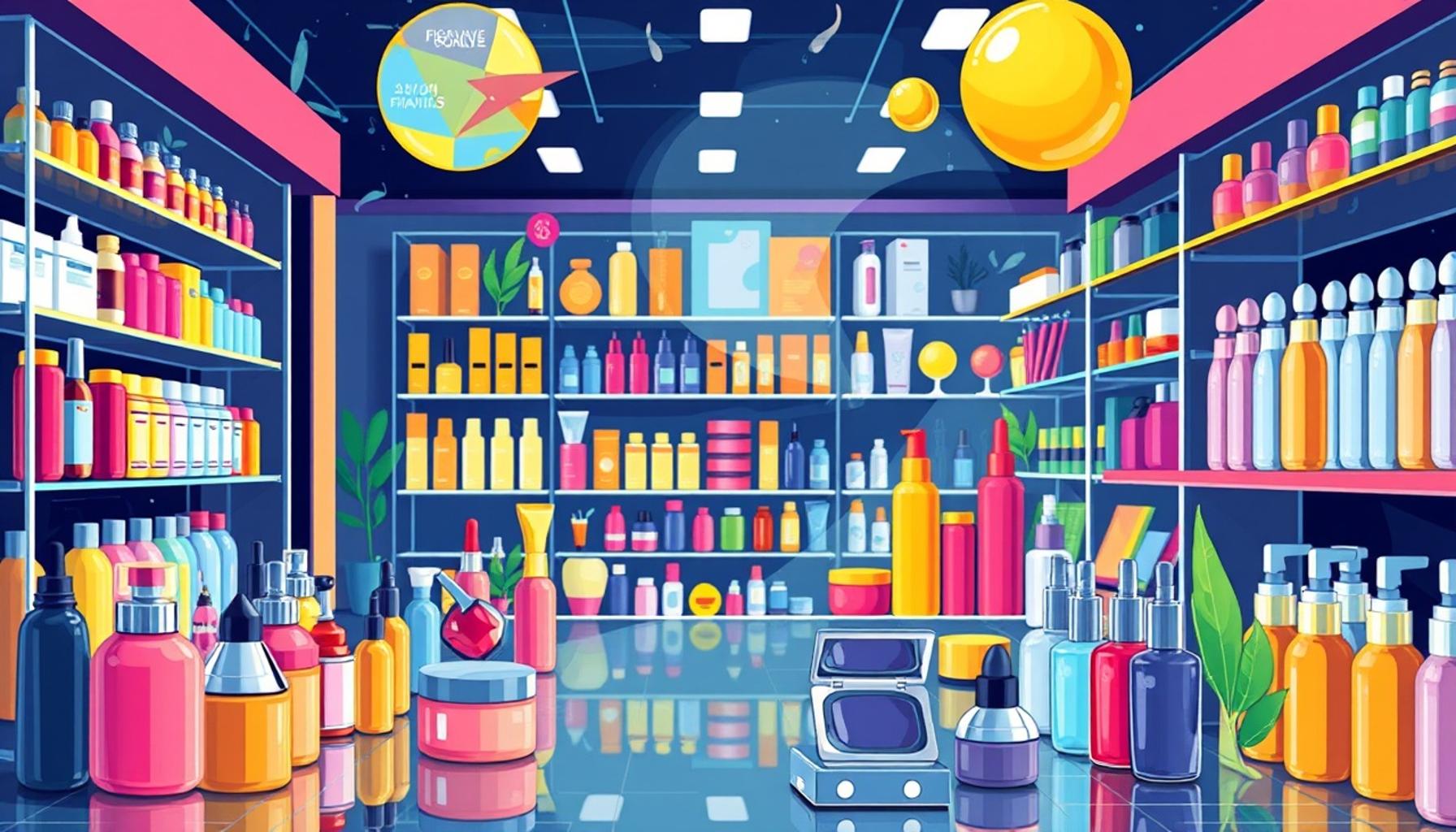
The Impact of Augmented Reality in the Beauty Industry
The landscape of shopping has dramatically shifted with the integration of augmented reality (AR) technology in the beauty sector. This innovation empowers consumers by bridging the gap between physical products and digital experiences, creating a seamless transition from the virtual world to real-life purchase decisions. Shoppers can explore a myriad of options without the fear of committing to a product that may not suit them.
One of the most exciting features of AR technology is the capability for virtual try-ons. Through various apps, customers can mimic the experience of applying cosmetics directly on their faces using their smartphone cameras. This feature allows them to experiment with various shades of lipstick or different styles of eyeshadow in a matter of seconds. Companies like Perfect Corp have created apps that let users see how products look on their skin tones before even setting foot in a store. This not only saves consumers time but also reduces the likelihood of returns which have plagued the cosmetic industry for years.
Furthermore, the personalization aspect of AR is significant. By employing advanced algorithms, AR applications can analyze user data—such as skin tone and facial features—to recommend products uniquely tailored to individual preferences. This personalized experience enhances customer satisfaction and loyalty, as shoppers feel that brands truly understand their needs. A notable example of this is the Sephora Virtual Artist program, which offers tailored recommendations based on the user’s face shape and skin type, enhancing their shopping experience.
The engagement factor cannot be overlooked either. Retailers are utilizing AR to create immersive shopping experiences that capture consumers’ attention and encourage them to spend more time exploring. AR-driven content, such as tutorials and gamified experiences, captivates shoppers, fostering a rich environment for exploration. For instance, brands like Ulta Beauty have incorporated AR features into their apps, allowing for interactive experiences such as makeup tutorials that encourage user participation and creativity.
Despite these benefits, challenges persist, particularly in technology adoption and integration with existing retail frameworks. Not all consumers may be willing to embrace AR, as some may prefer traditional shopping methods or feel overwhelmed by technology. Additionally, the need for high-quality devices and internet connections may limit accessibility.
As brands increasingly invest in AR technologies, their potential to transform shopping habits while driving sales and enhancing customer satisfaction becomes clearer. In a rapidly evolving marketplace, the use of AR is not merely a trend but a defining characteristic of the future of beauty shopping, where digital innovations meet consumer needs in an unprecedented manner.
As we continue to explore how beauty retail will adapt to digital advancements, one thing remains certain: the fusion of technology with the shopping experience has the potential to revolutionize how consumers connect with brands and products, paving the way for a bold new era in cosmetics.
DIVE DEEPER: Click here to discover more
Virtual Try-Ons: Revolutionizing Cosmetic Purchases
One of the most transformative aspects of augmented reality technology in the cosmetic industry is the advent of virtual try-ons. This feature allows consumers to visualize how various beauty products will look on their skin, effectively removing the uncertainty that often accompanies cosmetic purchases. In a survey conducted by Statista, it was found that approximately 71% of consumers expressed a desire for virtual tools that would help them try products before buying, indicating a clear demand for such innovations.
With augmented reality, brands can provide their customers with the ability to experiment with an extensive palette of shades without physically applying makeup. This immersive experience serves to enhance consumer confidence in their choices. Typically, a user simply downloads an app, activates the camera, and sees a digital overlay of cosmetic products on their own reflection. Beauty aficionados can effortlessly switch between lipstick colors, blush tones, and even foundation shades in real-time, enabling them to make informed decisions.
- Time Efficiency: Virtual try-ons reduce the time spent in-store sifting through products and help streamline the shopping experience.
- Reduced Returns: By allowing customers to visualize products before purchasing, virtual try-ons can lead to lower return rates, which have historically plagued the cosmetics sector.
- Accessibility: Shoppers can experiment with products from the comfort of their own homes, reducing the pressure of in-store shopping.
Additionally, brands such as L’Oréal and MAC Cosmetics have embraced this technology with mobile applications that showcase their products engagingly. L’Oréal’s AR tool, for example, allows users to not only try products but also adjust their lighting and view the makeup from different angles, creating an incredibly realistic shopping experience. These innovations demonstrate a growing commitment to enhancing customer interaction and satisfaction.
The Personal Touch: Customized Recommendations
Another significant effect of augmented reality in the cosmetics realm is its ability to offer personalized product recommendations. Advanced algorithms can analyze an individual’s facial features, skin tone, and even personal styles to suggest products that would suit them best. This level of customization goes beyond traditional shopping experiences, where consumer choices are often based on general trends rather than personal preferences.
Retailers utilizing AR technology can collect data on user interactions with virtual try-ons, harnessing this information to refine product suggestions continually. Companies like Sephora have pioneered this approach, using their AR application to analyze a user’s needs and suggest relevant skincare and makeup products. Such tailored experiences not only foster a deeper connection between consumers and brands but also amplify the likelihood of purchase, as individuals feel more catered to and understood.
As augmented reality technology continues to evolve, its impact on cosmetic shopping experiences reflects broader trends in personalization and consumer engagement. The integration of AR is not just enhancing the way people shop; it’s creating a more fulfilling journey, fundamentally changing how consumers perceive efficacy, quality, and choice in beauty products. This bold intersection of tech and beauty signals a future where the possibilities for consumer interaction are boundless, ultimately shaping new consumer expectations in the shopping landscape.
The Role of Augmented Reality in Cosmetic Shopping
The integration of Augmented Reality (AR) technology in the cosmetic shopping experience has transformed how consumers interact with products. This innovative approach allows customers to visualize makeup options digitally, providing a virtual try-on experience that eliminates the guesswork often associated with cosmetic purchases. By leveraging AR, brands enhance user engagement and satisfaction, ultimately driving sales.
Increased Personalization
AR technology offers consumers a tailored shopping experience. Shoppers can upload images of themselves or use their phone cameras to see how different makeup products will appear on their skin tones and facial features. This level of personalization not only boosts buyer confidence but also fosters a sense of ownership and connection to products. Retailers that utilize AR effectively are likely to see increased consumer loyalty, as shoppers appreciate the convenience of trying before they buy.
Social Sharing and Influence
Another significant effect of AR technology in the cosmetic shopping experience is its impact on social sharing. Consumers increasingly use social media to showcase their beauty looks facilitated by AR apps, creating a ripple effect of viral marketing. Brands that encourage users to share their virtual makeovers appeal to a broader audience and tap into the influential power of peer recommendations. This digital word-of-mouth can lead to an uptick in brand visibility and sales, proving the efficacy of merging technology with marketing strategies.
| Advantages | Impact on Shopping Experience |
|---|---|
| Enhanced Trial Options | Allows consumers to visualize products without physical application. |
| Reduced Product Returns | Minimizes dissatisfaction by helping consumers make informed choices. |
The revolution brought by AR in cosmetics not only enhances the shopping journey but also modernizes how beauty products are marketed and sold. Through its multifaceted impact, AR stands at the forefront of changing the landscape of cosmetic retail. This evolution underscores the importance of technology in consumer engagement and satisfaction, leading to new opportunities for growth within the industry.
DISCOVER MORE: Click here to learn about the benefits of antioxidants
Enhancing Engagement Through Interactive Experiences
Augmented reality technology has ushered in a new era of interactive experiences in the cosmetic shopping landscape, moving beyond mere visualization to create a fascinating engagement platform for consumers. This innovative approach taps into the interactive aspect of shopping, allowing consumers to not only see what products might look like on them but also to actively participate in the experience.
For instance, brands are leveraging augmented reality to create gamified shopping experiences. This could involve users participating in virtual beauty challenges, sharing their looks on social media, or even unlocking special promotions and discounts based on their AR interactions. Such strategies not only foster a sense of community among beauty enthusiasts but also give rise to viral marketing trends as users share their innovative virtual makeovers with their networks. According to a report by PR Newswire, engaging and interactive in-store experiences can result in a 30% increase in overall sales, highlighting the commercial benefits of integrating AR technology.
- Boosted Brand Loyalty: The more engaging and interactive the shopping experience, the more likely consumers are to return to a brand. A satisfied customer who has had a positive AR experience is more likely to become a loyal advocate for the brand.
- Social Media Integration: With a focus on sharing, many cosmetic brands are developing AR features optimized for platforms like Instagram and TikTok, seamlessly blending the shopping experience with social media engagement. Consumers can try products virtually and share their results instantly, creating organic brand ambassadors.
- Enhancing the In-Store Experience: AR is also transforming brick-and-mortar retail, with brands using smart mirrors and in-store kiosks to enhance customer interactions. Shoppers can see themselves wearing various products without having to go through the hassle of applying makeup multiple times.
Moreover, AR technology enables consumers to stay informed about new releases and trends. Brands can provide interactive tutorials directly through their AR platforms, allowing users to learn new makeup techniques or understand how to apply products effectively. This emphasis on education further enriches the shopping experience, positioning brands as trusted authorities in beauty while also cultivating a knowledgeable customer base.
Overcoming Barriers to Purchase: Increasing Confidence and Accessibility
The introduction of augmented reality technology is proving to be a game-changer in overcoming barriers that often hinder cosmetic purchases. Issues such as color matching and the fear of commitment to a new look can dissuade consumers from purchasing cosmetics. However, AR tools are significantly alleviating these concerns by offering real-time simulations of how products will look, effectively boosting consumer confidence in their choices.
A study conducted by Retail Dive revealed that 61% of shoppers feel more confident in their purchases after using AR technology. This shift not only increases sales but also cultivates a positive brand experience. Additionally, AR provides unprecedented accessibility to makeup for diverse consumer bases. The technology allows individuals with varying skin tones to find suitable products that may not be stocked in every store, thereby ensuring inclusivity in the cosmetic industry.
As AR technology continues to advance, it is clear that it has the potential to redefine the cosmetic shopping experience. By enhancing engagement, increasing confidence, and breaking down barriers, augmented reality not only enriches the consumer journey but also positions brands at the forefront of innovation in the beauty market. This dynamic fusion of technology and cosmetics reflects an ongoing transformation in the industry, compelling consumers to explore the evolving landscape of beauty shopping.
DIVE DEEPER: Click here to discover the benefits of hyaluronic acid
Conclusion: The Future of Cosmetic Shopping with Augmented Reality
In conclusion, the integration of augmented reality technology into the cosmetic shopping experience is undeniably transforming the industry. By enhancing engagement through immersive interactions, AR is making shopping not just a transaction but an enjoyable exploration of personal beauty. As consumers are empowered to visualize products in real-time, their confidence in making purchases increases significantly, effectively reducing buyer’s remorse.
Furthermore, the gamification of shopping experiences fosters community, while seamless social media integration amplifies brand visibility and consumer interaction. With AR tools allowing shoppers to see how products match their unique features, it also addresses the challenge of inclusivity in an industry where diversity is more important than ever.
As the beauty landscape continues to evolve, augmented reality stands out as a pioneering force. The blend of technology and personal expression creates opportunities for brands to differentiate themselves in a crowded marketplace. According to industry experts, the continued growth of AR in cosmetics could lead to a remarkable increase in customer loyalty and sales figures.
As we look ahead, consumers can anticipate an even more personalized shopping adventure, with AR paving the way for innovative experiences that resonate deeply with beauty enthusiasts. The future of cosmetic shopping is not just about what consumers buy, but about how they feel during the journey, which AR technology is beautifully facilitating. As this evolution unfolds, it beckons both consumers and brands to embrace these exciting possibilities in the realm of beauty.