Trends in Inclusive Makeup: Products for All Skin Tones
Shifting Paradigms in the Beauty Landscape
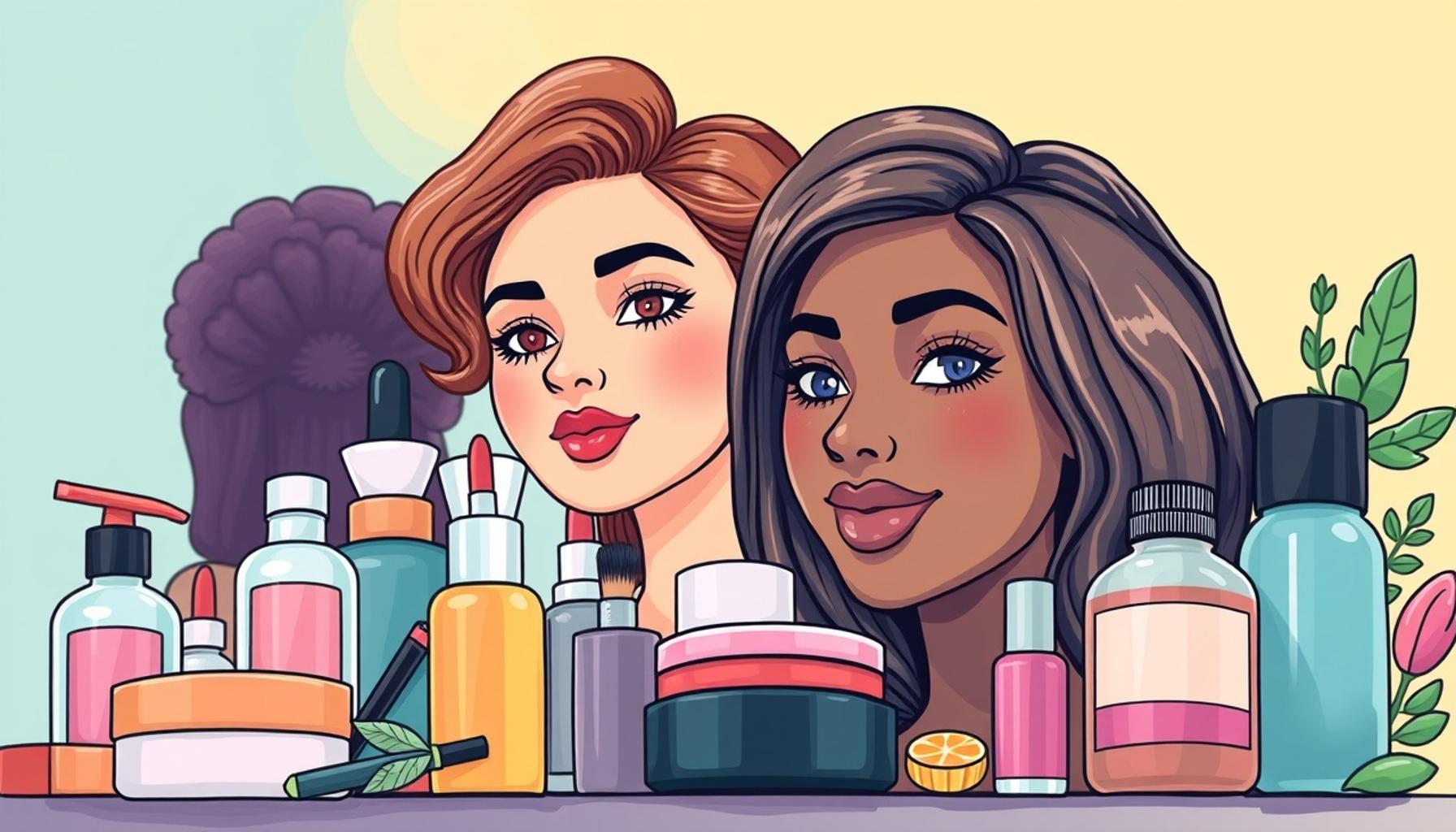
In the evolving world of cosmetics, the quest for inclusive makeup has become a pivotal movement, marking a significant departure from traditional beauty norms. This shift reflects a deep understanding of the varying complexities of human skin tones and the need for products that resonate with individual identities. No longer are beauty brands constrained by a limited palette; the marketplace now flourishes with options that honor the full spectrum of shades found across diverse populations.
Key Trends Driving Inclusivity
One of the most notable changes is the introduction of expanded shade ranges. Major brands, including Fenty Beauty and Maybelline, have set a precedent by launching foundations with over 40 shades. These shades cater not only to different skin colors but also to the unique undertones that can often make or break a perfect match. For instance, Fenty’s Pro Filt’r foundation includes shades that range from cool to neutral to warm tones, thereby offering significant customization for the user.
Furthermore, the trend towards accessible formulations speaks to the diversity of skin types. Makeup companies are now developing products that account for various skin concerns, such as sensitivity, oiliness, and dryness. For example, brands like e.l.f. recently launched a skincare-infused makeup line designed for sensitive skin, proving that inclusivity extends beyond skin color to skin health. This approach ensures flawless application across different skin types, making makeup a source of joy rather than frustration.
Collaborative Consumer Engagement
Another vital aspect of this transformative shift is community engagement. Many brands now actively seek input from consumers in the product development process. By engaging with diverse groups through surveys and focus groups, they can gather invaluable feedback that directly informs their offerings. For example, ColourPop frequently interacts with its customer base through social media, allowing users to suggest new shades or formulations. This engagement empowers consumers and fosters a sense of ownership over the products they use.
Cultural Significance and Social Media Influence
The implications of these advancements extend beyond mere product offerings; they resonate on a cultural level as well. Inclusive makeup has created a community where users—who may have felt marginalized or overlooked—find representation and affirmation. The explosion of beauty influencers and content creators on platforms like Instagram and TikTok has enhanced this community feeling. Influencers now share their authentic experiences using inclusive brands, helping others navigate choices that best reflect their individuality.
As societal dialogues around diversity and representation continue to evolve, consumers have become increasingly discerning. They favor brands that not only produce high-quality products but also embody values of inclusivity and authenticity. Thus, inclusive makeup is more than a fleeting trend; it represents a vital evolution within the beauty industry that champions self-expression, encourages authenticity, and celebrates beauty in all its forms. This ongoing change invites everyone to investigate further and embrace a landscape that sees, values, and uplifts every unique face and story.
DISCOVER MORE: Click here to find out about eco-friendly beauty routines
Innovative Formulations and Techniques
As inclusivity becomes the standard in the beauty industry, the focus on innovative formulations has gained traction. The development of products that not only cater to a diverse array of skin tones but also address differing skin types and concerns has been pivotal. Brands recognize that one size does not fit all; hence, they are crafting products that offer more than just color diversity. Here are some trends that are shaping the future of inclusive makeup:
- Color-Correcting Products: Many companies are introducing color-correcting concealers and primers that suit various undertones. These formulations often come in a range of shades that can neutralize discolorations while maintaining the natural beauty of the skin.
- Skin-Positive Ingredients: Makeup brands are increasingly infusing their products with skincare benefits. For example, ingredients like hyaluronic acid, vitamin E, and natural oils are being integrated into foundations and tinted moisturizers. This allows consumers to care for their skin while wearing makeup, thus enhancing not just appearance but overall skin health.
- Long-Wear and Transfer-Resistant Options: With an emphasis on practicality, brands are also focusing on long-lasting formulations that withstand various conditions, from humidity to high-energy activities. This trend is particularly beneficial for consumers in warmer climates, ensuring that makeup stays fresh and effective throughout the day.
Additionally, the rise of customizable makeup reflects a broader understanding of individual needs. Some brands are now offering personalized shade matching services, utilizing technology such as artificial intelligence to help consumers find their perfect shade. This approach diminishes the guesswork traditionally associated with selecting foundation and concealer and guarantees a more tailored experience for users of all skin tones.
Ethnic and Cultural Representation
The push for inclusive makeup is also about recognizing and celebrating ethnic and cultural representation. Brands are beginning to feature models and influencers from diverse backgrounds in their marketing campaigns. This shift not only highlights the versatility of their products but also promotes a sense of belonging and acceptance among consumers who see themselves represented. For example, brands like Fenty Beauty have championed inclusivity through its marketing strategy, showcasing a diverse group of individuals that reflect the spectrum of beauty in the real world.
Furthermore, the cultural significance of makeup rituals across different communities is becoming a point of interest for many brands. By incorporating elements from various beauty traditions, makeup products can resonate more deeply with consumers from those backgrounds. Whether it’s the vibrant colors of Indian festivals or the understated elegance of Korean skincare, brands that embrace these traditions are likely to forge stronger connections with their audiences.
As the industry grapples with these emerging trends, the dialogue around inclusive makeup is evolving. Consumers are no longer passively accepting what brands deliver; instead, they are actively seeking products that align with their identities and values. This evolution represents a beautiful tapestry woven from the rich threads of individuality and self-expression, promising an exciting future for the realm of cosmetics.
| Advantages | Key Features |
|---|---|
| Diverse Shades | Inclusive makeup brands offer a wide range of shades tailored for every skin tone, making beauty accessible for all. |
| Enhanced Representation | Brands are focusing on authentic marketing strategies, showcasing models of various backgrounds to resonate with diverse audiences. |
| Quality Ingredients | Many inclusive brands prioritize skin-friendly formulas that cater to various skin types, ensuring everyone can find their perfect match. |
| Social Awareness | Investing in community initiatives, brands are driving awareness of diversity in the beauty industry and fostering social change. |
The rise of products that cater to all skin tones represents a significant shift in the beauty industry, fueled by the demand for inclusivity and representation. With the focus on diversity, brands are now investing in extensive research to develop shades that enhance the natural beauty of all individuals, regardless of their complexion. Additionally, there’s a growing trend toward the use of ethically sourced and natural ingredients. More consumers seek transparency about the products they use, making it essential for brands to disclose detailed information about their formulations. By prioritizing quality and inclusivity, these brands not only expand their market reach but also establish deeper connections with consumers who value diversity and representation in beauty. Accessibility to inclusive makeup continues to redefine industry standards, empowering individuals to embrace their unique beauty with confidence. This ongoing transformation invites enthusiasts to explore new brands that celebrate diversity through innovative products tailored for everyone.
DIVE DEEPER: Click here to learn more
Advancements in Shades and Textures
One of the most significant advancements in the realm of inclusive makeup is the expansion of shade ranges. Brands are moving beyond the traditional color palettes that often failed to accommodate deeper and lighter skin tones alike. Companies such as MAC and Maybelline have pioneered policies to include an extensive array of shades, recognizing that consumer demand for diversity in color options is greater than ever. Recent statistics point out that over 60% of consumers are likely to purchase makeup from a brand that offers inclusive shade ranges. This trend reflects a fundamental shift in the way we perceive beauty, with variety being embraced rather than sidelined.
Additionally, texture plays a complementary role in the inclusive makeup narrative. Brands are now experimenting with unique textures that fulfill different consumer preferences. For instance, the shift toward lightweight or gel-based foundations caters to individuals who prefer a more natural aesthetic as opposed to traditional heavier formulations. This flexibility ensures that users can find a texture that complements their skin type and personal style, thus enhancing the experience of makeup application.
The Role of Social Media in Driving Inclusivity
Social media platforms have become indispensable for amplifying the conversation around inclusive makeup. Influencers and beauty content creators from a variety of backgrounds are showcasing how makeup can enhance their unique features, prompting companies to better reflect the demographics of their consumers. Notably, TikTok and Instagram have become vital spaces for users to share their makeup journeys, with hashtags like #InclusiveBeauty garnering millions of views. These platforms provide brands not only with valuable feedback but also with opportunities to engage directly with a more diverse audience, allowing them to tailor their products and marketing strategies accordingly.
The beauty industry is also witnessing a rise in collaborations between brands and influencers who identify with specific cultures or minority groups. These partnerships can yield special collections that resonate deeply with communities, celebrating their heritage while catering to well-defined beauty needs. For example, brands such as Juvia’s Place have successfully tapped into African beauty traditions, thus offering products that reflect both cultural pride and superior quality.
Consumer Education and Awareness
The trend towards inclusive makeup parallels an increasing focus on consumer education regarding diverse skin tones and concerns. Many brands are investing in informative content that guides consumers on how to choose the right products for their particular needs. This can include online tutorials, blogs, and educational series addressing various undertones, skincare integration, and application techniques for differing features. The goal is to empower consumers with knowledge, enabling them to make informed decisions about which products work best for them.
Simultaneously, brands are candidly addressing issues related to shade mismatches, providing shade matching guides, and even utilizing augmented reality (AR) technology in their apps. This not only minimizes the frustration often associated with buying makeup but also fosters greater trust between consumers and brands.
As brands continue to innovate and respond to the diverse needs of their clientele, the landscape of inclusive makeup remains dynamic and ever-evolving. These advancements not only help in building a more inclusive marketplace but also inspire a collective journey toward self-acceptance and celebration of beauty in all its forms.
DISCOVER MORE: Click here to learn about personalized skin care
Conclusion: Embracing Diversity in Beauty
As we navigate the evolving landscape of inclusive makeup, it is clear that a significant transformation is underway in the beauty industry. The expansion of shade ranges and the diversification of textures are not mere trends; they represent a shift toward a more equitable representation of beauty that embraces all individuals, regardless of skin tone. Brands recognize that inclusion is not just a marketing strategy but a necessary approach to meet the diverse needs of modern consumers.
Moreover, the influence of social media continues to play a crucial role in fostering this inclusivity. By amplifying voices from various backgrounds and promoting authentic representations of beauty, platforms like Instagram and TikTok serve as powerful catalysts for change. They encourage brands to listen, engage, and innovate, ultimately leading to products that resonate deeply with a richer tapestry of consumers.
With heightened consumer awareness and education, the onus lies not only on brands to improve their offerings but also on consumers to demand transparency, diversity, and authenticity. This mutual relationship sets the foundation for a more inclusive future where beauty is celebrated in all its forms. As the crowd continues to advocate for themselves, they inspire a powerful movement that champions self-acceptance and the celebration of diverse aesthetics.
In conclusion, the trends in inclusive makeup are just the beginning of a more affirmative narrative in the beauty industry. Companies that prioritize diverse offerings will not only thrive but also contribute to a social legacy that values authenticity and representation. The journey is far from over, and the future looks bright for inclusive beauty products that cater to everyone.