
The Therapeutic Impact of Crafting: How Manual Skills Help Mental Health
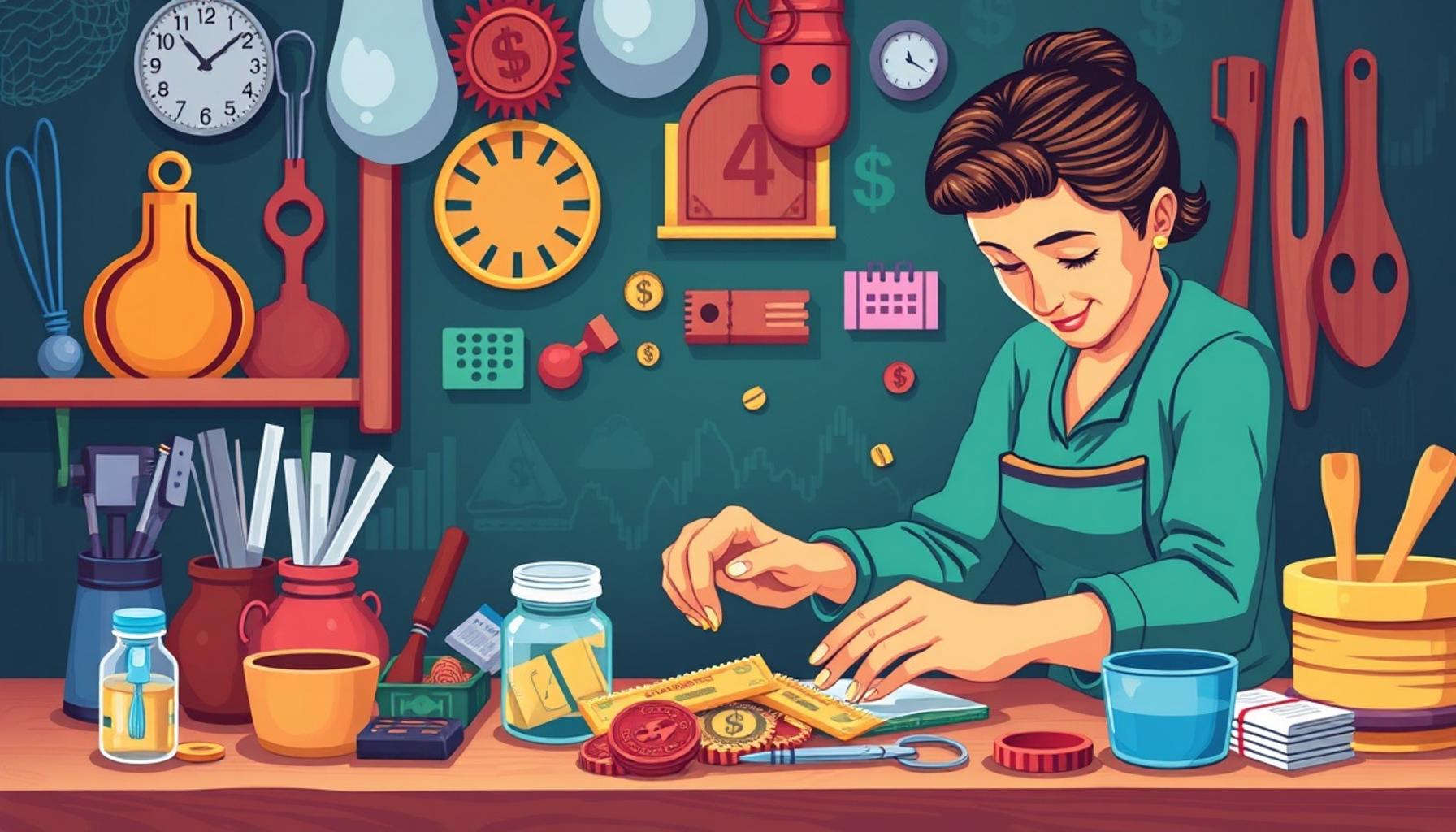
The Therapeutic Aspects of Crafting
In today’s fast-paced world, where anxiety and stress have become commonplace, the significance of mental health is increasingly recognized. Engaging in crafting presents a viable sanctuary for individuals seeking solace. By involving oneself in manual skills, people not only engage their creative instincts but also find a pathway to reconnect with their inner selves. The act of creating with one’s hands goes beyond simple pastime enjoyment; it infuses life with a sense of purpose and meaning.
Numerous studies underscore the mental health benefits of crafting. For example:
- Reduces Stress: Crafts such as painting, sewing, or even adult coloring books redirect focus away from anxious or overwhelming thoughts, allowing individuals to immerse themselves in a calming activity. As a result, heart rates may decrease, promoting an overall sense of peace.
- Enhances Mood: Successfully completing a craft project—be it building a birdhouse or knitting a scarf—instills a tangible sense of achievement. This accomplishment can elevate self-esteem and create a positive feedback loop: the more you create, the happier you feel.
- Encourages Mindfulness: Crafting inherently invites individuals to be present, promoting mindfulness. Whether it is the rhythmic stitching of fabric or the methodical mixing of colors, these activities foster a meditative state, helping to alleviate symptoms associated with anxiety and depression.
The landscape of crafting activities is remarkably diverse, inclusive of hobbies such as pottery, woodworking, embroidery, and scrapbooking. This variety makes it easier for individuals to find a craft that resonates with their interests and abilities. For instance, community centers and libraries across the United States are increasingly hosting workshops—ranging from beginner-level to advanced—that encourage creativity and collaboration. These gatherings do more than teach skills; they cultivate social connections, a vital element in combatting loneliness, which is a growing concern for mental wellness.
We will delve into the scientific research supporting these therapeutic claims and share anecdotal experiences from individuals whose lives have transformed through crafting. Stories of resilience and recovery will underscore the potential of manual skills to make meaningful changes in mental health and overall well-being. Join us as we embark on this enlightening exploration of how crafting weaves a tapestry of healing and happiness.
DISCOVER MORE: Click here to enhance your skills
Unlocking Mental Health Benefits Through Crafting
The realm of crafting as a therapeutic practice is rapidly gaining traction, supported by an increasing body of research that highlights its positive impact on mental health. Activities that involve manual skills—think pottery, knitting, or woodworking—not only occupy the hands but also engage the mind, providing a holistic approach to well-being. In essence, crafting serves as a bridge that connects one’s emotional state with creative expression, creating a buffer against the stresses of modern life.
One of the key benefits of crafting lies in its ability to reduce stress and anxiety. Engaging in these hands-on activities encourages individuals to shift their focus away from the daily grind and preoccupations that can burden their minds. A study conducted by researchers at the Journal of Positive Psychology revealed that participants who spent at least 45 minutes on a creative hobby reported lower levels of the cortisol hormone, which is closely associated with stress. Such findings underscore the critical link between hands-on endeavors and psychological relief.
Moreover, crafting has been shown to enhance mood significantly. The act of creating something tangible can instill a profound sense of accomplishment. Completing a project, whether it’s a handmade quilt or a beautifully painted canvas, generates a feeling of self-worth and satisfaction. In fact, mental health professionals often incorporate crafting into their therapy sessions, utilizing it as a tool to help individuals express feelings that are difficult to articulate. This multifaceted approach not only fosters emotional release but also helps cultivate resilience against future emotional turmoil.
Another vital aspect of crafting is its promotion of mindfulness. The repetitive motions involved in many crafting activities encourage individuals to be present in the moment, allowing them to quiet their inner chatter and engage in a form of meditation. A study from the American Journal of Public Health noted that participants practicing crafting as a form of mindfulness showed decreased symptoms of anxiety and depression. By concentrating on the task at hand—whether it’s color-matching yarns or perfecting brush strokes—individuals can experience a meditative state that brings clarity and tranquility to their minds.
The Community Aspect of Crafting
The social dimension of crafting cannot be overlooked, as it offers avenues for community building and support. Crafting groups, workshops, and classes can provide precious connections that combat loneliness often associated with mental health challenges. Participating in group activities fosters a sense of belonging, which is indispensable in maintaining one’s emotional state. Not only does sharing creative insights facilitate friendships, but it also creates an environment where individuals can share and process their lived experiences—further enhancing their mental health journey.
With the diverse range of crafting activities available, individuals from all walks of life can find a suitable outlet that resonates with them. From local art studios that offer pottery classes to community centers that host DIY workshops, there is no shortage of opportunities for people to engage in crafting. The therapeutic impact of these activities is not just anecdotal; it is backed by evidence that showcases their positive influence on mental well-being. As we continue to explore the intricacies of crafting, it becomes increasingly clear that these manual skills hold the potential to weave threads of healing throughout one’s life.
| Category | Details |
|---|---|
| Mindfulness | Crafting encourages focused attention on the present, reducing anxiety and enhancing emotional well-being. |
| Social Connection | Participating in group crafting sessions fosters community bonding, providing essential emotional support. |
| Creative Expression | Crafting allows individuals to express complex thoughts and feelings, aiding in self-discovery and development. |
| Stress Relief | The physical act of crafting can reduce physiological stress responses, promoting relaxation and well-being. |
Crafting as a therapeutic tool offers a myriad of mental health benefits worth exploring. Engaging in these activities not only nourishes creativity but also fosters a sense of accomplishment that is deeply fulfilling. Artisans often report feelings of joy and purpose that can lead to lasting changes in mood and overall mental health.Additionally, the repetitive nature of certain crafting techniques mirrors practices like meditation. This repetition serves to calm the mind and body, creating a sense of harmony amid a chaotic world. The tactile sensations involved in crafting, whether it’s the texture of fabric or the solidity of clay, engage our senses and promote an immersive experience.What makes crafting especially compelling is its accessibility. With countless resources available online and community classes often offered, individuals from all backgrounds can find ways to connect with their creativity and embrace the mental health benefits that come with it. As we delve further into these benefits, the connection between crafting and mental well-being becomes increasingly evident, paving the way for more innovative uses of manual skills in therapeutic frameworks.
DISCOVER MORE: Click here to dive deeper
The Benefits of Structured Creativity
Delving deeper into the therapeutic impact of crafting, we encounter the concept of structured creativity. This approach emphasizes the importance of following specific methods and processes while creating. Engaging in structured crafting—like following a sewing pattern or a woodworking plan—offers cognitive benefits that contribute to mental health. Research indicates that the brain experiences a boost of dopamine, a neurotransmitter associated with feelings of pleasure and satisfaction, during these structured activities. As individuals follow guidelines and techniques, they not only hone their skills but also create a sense of order and predictability that can be calming amid life’s uncertainties.
Furthermore, the adaptability of crafting means it can cater to varying levels of ability, making it an inclusive form of therapy. Whether one is a novice learning the basics of candle-making or an expert ceramicist experimenting with new glazes, everyone can benefit from the mental stimulation that comes with crafting. Schools and rehabilitation centers across the United States are integrating crafting into their curricula and programs, recognizing the profound impact on cognitive development and emotional regulation.
Cognitive Development and Crafting
Engaging in crafting has been associated not only with emotional relief but also with cognitive development. Studies have shown that crafting can help improve problem-solving skills, enhance memory, and boost overall brain function. When navigating the complexities of a DIY project, individuals must plan, evaluate, and adjust their strategies, effectively engaging their critical thinking faculties. For example, piecing together a jigsaw puzzle or building a model aircraft necessitates spatial reasoning and attention to detail, stimulating parts of the brain that can remain dormant in less engaging activities.
Additionally, crafting has demonstrated an impact on neuroplasticity—the brain’s ability to reorganize itself by forming new neural connections. A study published in the Journal of Health Psychology found that engaging in creative activities stimulates brain areas involved in the production of new neurons. This neuroplasticity can lead to enhanced cognitive functioning, making crafting a practical tool for preserving mental agility as one ages.
Therapeutic Practices in Crafting
In recent years, health care professionals have started incorporating crafting therapies into treatment plans for various mental health issues. This innovative practice highlights the therapeutic possibilities inherent in manual skills. Occupational therapists often utilize crafting to support patients recovering from trauma or managing anxiety. By demonstrating that creativity and skill development can coexist, clinicians show how these activities foster emotional connectivity and enhance everyday living.
- Art Therapy: Incorporates painting, drawing, and other forms of art to express emotions.
- Crafting Workshops: Offer community support and guidance in a safe environment, promoting social bonding.
- Horticultural Therapy: Engages individuals in planting and gardening, allowing them to connect with nature while crafting beauty.
As deeper insights emerge from mental health research, the recognition of the interrelationship between manual creativity and emotional well-being continues to grow. Crafting is not merely about the finished product; it is about the journey individuals take in honing their skills, transforming emotions, and fostering connections with others, ultimately creating meaningful experiences that can deeply enhance mental health.
DISCOVER MORE: Click here to dive deeper
Conclusion: Crafting as a Pathway to Healing
The therapeutic impact of crafting extends far beyond the physical act of creating; it embodies a nuanced approach to mental well-being that resonates deeply with individuals of all ages and abilities. By engaging in structured creativity, people achieve a dual benefit of emotional relief and cognitive enhancement that is both profound and lasting. The benefits of crafting are underscored by scientific evidence suggesting that engaging in manual skills activates brain areas linked to dopamine production and neuroplasticity, which in turn fosters better problem-solving skills and emotional regulation.
As we embrace the therapeutic practices of crafting therapies, anecdotal evidence grows to support their integration into mental health treatment plans. From community workshops to art therapy sessions, the incorporation of creative modalities helps foster social connections and emotional support. Such inclusive environments not only empower individuals to explore their creativity but also bridge the gap between personal expression and mental health recovery.
In conclusion, the journey through crafting is about transformation—of oneself and one’s emotions, creating connections with others, and harnessing the power of creativity to navigate life’s challenges. As we continue to explore the multifaceted relationship between artistry and mental health, it becomes increasingly clear that crafting not only provides a sanctuary for the mind but also serves as a vital tool for nurturing resilience and promoting overall well-being. For those seeking a new pathway to mental health, the world of crafting offers a rich, rewarding experience worthy of exploration.
Related posts:
Fabric Painting Techniques: Transforming Clothes and Accessories with Style
The Renaissance of Crochet: Creating Modern Pieces with Tradition
The Art of Personalization: Transforming Everyday Objects with Crafting Skills
Sewing Techniques for Beginners: Practical Tips to Get Started
The Evolution of Manual Skills: How Craftsmanship Is Making a Comeback
The World of Paper: Exploring Origami and Its Creative Applications

Beatriz Johnson is a seasoned creative enthusiast and writer with a passion for simplifying the intricacies of artistic hobbies and DIY projects. With over a decade of experience exploring various creative fields, she specializes in topics like crafting, painting, and innovative DIY techniques. Through her work, Beatriz inspires readers to unleash their creativity, try new artistic endeavors, and stay inspired in the ever-evolving world of creative hobbies.


