

The Intersection of Technology and Personalization
Machine learning is significantly reshaping the landscape of user interaction across various digital platforms. By meticulously analyzing vast amounts of user data, including browsing history, purchasing patterns, and even social media activity, this technology enables the creation of deeply personalized experiences that resonate with individuals on a personal level. Understanding machine learning’s role in digital engagement is crucial for businesses aiming to redefine how they interact with their audiences and cultivate brand loyalty.
Benefits of Machine Learning in Personalization
- Enhanced User Engagement: One of the most notable benefits is the enhanced user engagement that arises from accurately predicting user preferences. Platforms like Amazon utilize machine learning algorithms to recommend products based on past purchases and item views, ensuring users find items that genuinely interest them. This tailored approach keeps users engaged longer, increasing the likelihood of repeat visits and purchases.
- Improved Recommendations: Services like Netflix and Spotify exemplify the power of personalized recommendations. Netflix employs sophisticated algorithms that analyze viewing habits, generating content suggestions that have a high probability of capturing viewer interest. Similarly, Spotify’s Discover Weekly playlist uses machine learning to curate a selection of songs tailored to each user’s listening preferences, making music discovery an engaging experience.
- Dynamic Content Delivery: Websites are undergoing a transformation with machine learning enabling dynamic content delivery. Companies like Target and Walmart adjust their online layouts, offers, and product displays based on the real-time behavior of users. For example, a first-time visitor might see a different home page in comparison to a frequent shopper, creating a unique browsing experience that caters to each individual’s needs.
As consumers in the United States increasingly expect a certain level of personalization in their online interactions, machine learning becomes the driving force behind these curated experiences. It adeptly curates content, anticipates user needs, and even predicts future behavior based on patterns. This capability is not just a convenience but a foundational element affecting various sectors, including healthcare, e-commerce, and social media.
Driving Future Innovations
With ongoing advancements in machine learning, digital platforms are becoming more adept at understanding user intent and preferences. This sophistication has significant implications for market disruption, as brands harness deep insights to maintain a competitive edge. For instance, predictive analytics can forecast trends, enabling businesses to innovate rapidly in response to shifting consumer demands.
Exploring the nuances and implications of machine learning in personalization not only reveals the current state of digital interaction but also highlights a pathway to the future of online experiences. Companies that embrace these technologies are likely to lead the pack, creating user experiences that are not just relevant but also transformative.
DISCOVER MORE: Click here to dive deeper
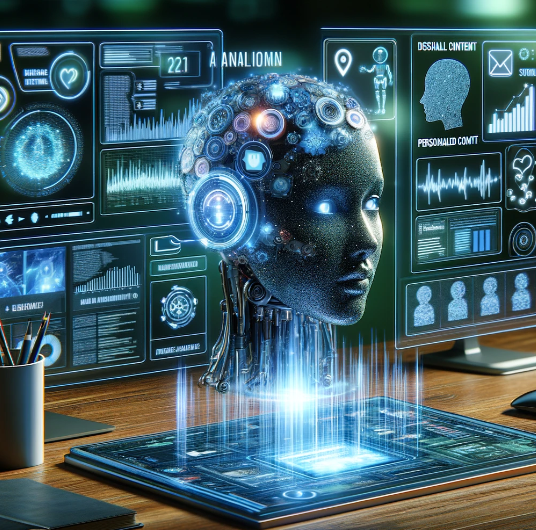
Transforming User Interactions Through Machine Learning
As digital platforms evolve, the role of machine learning in personalizing user experience has become more pivotal than ever. By delving deep into user behaviors and preferences, advanced algorithms are capable of delivering content and services that feel tailored to each individual. This creates not just a unique browsing journey but also a sense of connection and relevance that traditional methods simply cannot achieve.
The Mechanisms Behind Machine Learning Personalization
At the heart of machine learning’s personalization capabilities are several core functionalities: data collection, analysis, and application. These elements work harmoniously to influence how users are interacted with on various platforms. Businesses are increasingly leveraging machine learning to:
- Analyze User Data: By employing big data analytics, businesses can track and interpret intricate user interactions. For example, e-commerce giants like Amazon and eBay collect data on user clicks, time spent on specific pages, and abandoned carts. This meticulous observation leads to actionable insights that form the backbone of their recommendation systems.
- Segment Audiences: Machine learning enables platforms to categorize users into distinct segments based on behavior and preferences. This segmentation empowers businesses to target different demographics with tailored marketing strategies, ensuring that promotions resonate effectively with each specific group.
- Predict Future Behavior: Utilizing predictive analytics, machine learning models can forecast what users are likely to do next. This predictive capacity allows platforms to present suggestions before users even realize they want them, significantly enhancing the likelihood of engagement. For instance, Facebook employs machine learning to personalize news feeds, ensuring that users see content that aligns closely with their interests.
The tangible impacts of these functionalities are evident in various sectors. In the healthcare industry, personalization is leading to improved patient outcomes, as machine learning tools assist in predictive diagnoses and customized treatment plans. In the realm of social media, platforms such as Instagram and TikTok use machine learning to curate individualized feeds, maximizing user engagement by presenting content that matches their tastes.
Meeting User Expectations
In today’s digital age, users expect personalized experiences that cater to their specific needs and preferences. As a result, businesses that incorporate machine learning into their digital strategies are more likely to enhance user satisfaction and build lasting relationships. According to a study by Salesforce, a staggering 70% of consumers say they expect personalized experiences from brands, further emphasizing the importance of machine learning.
The ongoing rise of machine learning indicates a future where user experiences are not only woven with personalization but are also intertwined with predictive capabilities that anticipate needs. As this technology advances, it will become increasingly essential for businesses to adopt machine learning solutions to stand out in the crowded digital marketplace.
| Advantages | User Insights |
|---|---|
| Enhanced Recommendations | Machine learning algorithms analyze user behavior and preferences, allowing digital platforms to offer real-time recommendations tailored to individual tastes. |
| Increased Engagement | By leveraging machine learning, platforms foster a more personalized experience, prompting users to explore more and remain engaged longer, ultimately decreasing bounce rates. |
| Predictive Analytics | Machine learning utilizes predictive analytics to anticipate user needs, adapting services proactively to enhance satisfaction and loyalty. |
| Customized Content | Digital platforms benefit from machine learning by delivering customized content that aligns with user interests, leading to a significantly improved user experience. |
The integration of machine learning in personalizing user experience allows platforms not only to engage users effectively but also to foster loyalty through tailored interactions. These advancements highlight how technology shapes the digital landscape, creating opportunities for businesses to thrive while meeting diverse user needs. Machine learning is not just about analytics; it represents a fundamental shift in how digital interactions are designed and delivered, making it a cornerstone of user experience innovation. By embracing these technologies, platforms can transform their offerings and ensure users enjoy a tailored experience.
DISCOVER MORE: Click here to learn about intelligent agents in business
Enhancing User Engagement Through Machine Learning
As we further explore the impact of machine learning on user experience, it’s important to recognize how these technologies not only personalize content but also significantly boost user engagement. Engaged users are more likely to return, create content, and share experiences, which ultimately drives businesses forward. Various sectors are harnessing the power of machine learning to create immersive experiences that keep users coming back for more.
Dynamic Content Delivery
Machine learning algorithms are designed to constantly learn and adapt based on user interactions, making them invaluable for dynamic content delivery. For instance, streaming services like Netflix use machine learning to analyze viewing habits, ensuring that the content recommendations evolve with a user’s changing preferences. By efficiently curating options that appeal to individual tastes, these platforms keep their audiences engaged and reduce the likelihood of user churn.
- Real-time Adaptation: Recommendations are not static; as users watch or skip content, algorithms adjust in real-time, identifying patterns and preferences. This responsiveness helps to create a compelling viewing experience that feels customized and intuitive, which is critical in a crowded marketplace.
- Contextual Relevance: Machine learning capabilities also allow for contextual recommendations. For instance, if a user streams action movies on Friday nights, the system might serve similar content prominently at that time. This strategy leverages timing to deliver relevance, enhancing user satisfaction when it counts the most.
Transforming Customer Support
Another area where machine learning excels in enhancing user experience is through its application in customer support. Chatbots and virtual assistants powered by machine learning have transformed the way consumers interact with brands. Companies like Zendesk and Drift utilize machine learning algorithms to deliver personalized assistance, streamline queries, and even predict user questions based on previous interactions.
- 24/7 Availability: Automated systems are capable of providing instant responses any time of day, catering to a user base that expects prompt service regardless of time zones. This immediacy can significantly elevate user satisfaction levels.
- Sentiment Analysis: Advanced machine learning models can also analyze customer sentiment in real-time. By understanding whether a user is frustrated or content, these systems can tailor responses accordingly, offering empowering solutions and enhancing the overall experience.
Cross-Platform Integration
Furthermore, machine learning facilitates cross-platform integration, allowing for a more cohesive user experience across various digital touchpoints. When users interact with a brand on multiple platforms—be it a mobile app, website, or social media—their preferences and behaviors can be tracked and integrated seamlessly. Brands like Spotify leverage machine learning to maintain a consistent user journey, utilizing insights from different channels to provide an enriched experience.
Such integration ensures no matter where a user engages with a platform, the experience feels unified and continuous. This aggregated approach encourages deeper connections between the brand and its users, as interactions become more meaningful and reflect the overall preferences of the individual. Whether it’s through music recommendations or personalized playlists, users are more likely to remain loyal when they find their experiences consistently personalized.
As digital platforms continue to innovate, those integrating machine learning technologies will undoubtedly lead in user engagement and satisfaction, paving the way for a more personalized digital landscape.
DISCOVER MORE: Click here to enhance your understanding of data analysis techniques.
Conclusion: The Future of User Experience Through Machine Learning
As we navigate the ever-evolving digital landscape, the role of machine learning in personalizing user experience is becoming increasingly pivotal. By integrating sophisticated algorithms into various platforms, businesses can achieve a deeper understanding of individual user behaviors and preferences. This evolution not only enhances user engagement but also ultimately drives customer loyalty, an invaluable asset in today’s competitive market.
The real-time adaptation of content delivery ensures that users are consistently presented with relevant options that resonate with their unique interests and needs. Furthermore, the transformative capabilities of machine learning in customer support—through chatbots and sentiment analysis—significantly contribute to a seamless and responsive user experience.
Cross-platform integration is another hallmark of a modern, personalized approach, allowing brands to harmonize interactions across multiple channels. By employing machine learning insights, businesses can sustain a cohesive narrative that enhances connections with users, regardless of where they engage with the brand. This reflects a paradigm shift towards a more personalized and immersive digital engagement.
Looking ahead, the ongoing development of machine learning technologies will shape future user experiences, as brands that leverage these tools effectively are poised to lead the market. Embracing this advancement will not only refine user satisfaction but also create a more meaningful engagement—ultimately setting the stage for a more personalized digital future. As we continue to uncover the potential of machine learning, the possibilities for enhancing user experience are limitless, inviting both businesses and users to explore new horizons of interaction.