
The Renaissance of Traditional Crafts: Preserving Traditions and Cultures Through Manual Skills
Unveiling the Craft Revival
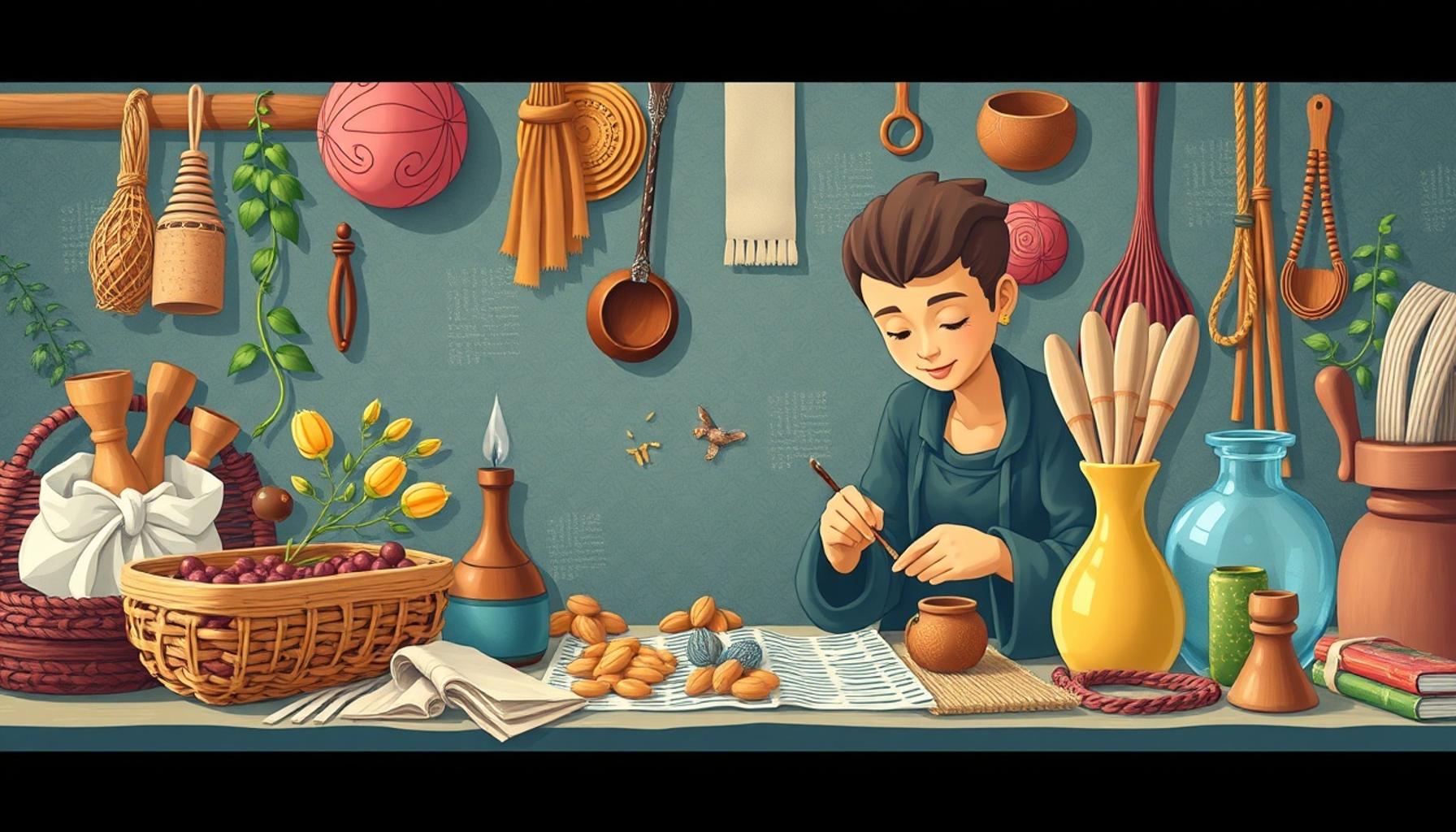
The resurgence of traditional crafts is more than just a trend; it represents a vital movement toward cultural preservation and a connection to our past. As technology continues to dominate various sectors, the push for authentic manual skills has led to a renewed appreciation for handcrafted items that tell stories of heritage. This renaissance invites us to explore craftsmanship that embodies the spirit of creativity and tradition.
Key Features of This Movement
Today, various aspects illustrate the importance of this craft revival:
- Artisan Communities: Local groups dedicated to traditional techniques are thriving. These communities, often centered around specific crafts such as quilting in the South or pottery in the Southwest, create networks that promote collaboration and knowledge-sharing among artisans. Events like craft fairs showcase their work, allowing artisans to connect with consumers who value handmade goods.
- Educational Workshops: Learning environments that teach skills like weaving, pottery, and woodworking are on the rise. Institutions and community colleges are offering short courses and weekend workshops aimed at both beginners and experienced crafters. For example, workshops led by master blacksmiths not only teach valuable skills but also foster an appreciation for the labor and artistry that go into each piece.
- Sustainable Practices: There is a growing emphasis on using natural materials and eco-friendly methods in production. Artisans are increasingly prioritizing sustainable sourcing of their materials, such as using locally sourced wood or organic cotton. This approach not only minimizes environmental impact but also supports local economies and fosters a sense of responsibility towards our planet.
These elements not only highlight the significance of preserving age-old skills, but they also enhance the appreciation for handmade products. In an era of mass production, consumers in the United States are increasingly drawn to unique pieces that embody a rich storytelling aspect, fostering a deeper relationship between art and culture. This connection can be observed in markets across the country, from farmer’s markets in California featuring artisan bread-makers to craft breweries in Vermont that celebrate traditional brewing techniques.
Moreover, this craft revival goes beyond mere aesthetics; it serves as a platform for community bonding. Through craft fairs, festivals, and guild meetings, individuals from diverse backgrounds come together, sharing skills and experiences that enrich the local culture. By participating in the revival of traditional crafts, people not only preserve their history but also help cultivate their community’s future.
This article delves deeper into how these manual skills are revitalizing community bonds and enriching our cultural landscapes, creating a dynamic interplay between past and present. The revival of traditional crafts stands as a testament to our collective desire to find meaning in the tangible world, connecting us to our heritage and to each other.
DIVE DEEPER: Click here to discover more
Connecting Generations Through Craft
At the heart of the Renaissance of traditional crafts is a profound desire to connect generations. Handcrafted goods are tangible links to our past, rich with stories and techniques passed down through family lines. This transmission of knowledge through manual skills nurtures a community’s identity, as younger generations are encouraged to embrace practices that echo the lives of their ancestors. In places like Appalachia, for example, the art of quilting not only serves aesthetic purposes, but also acts as a conduit for storytelling, with each stitch representing a piece of history.
This intergenerational aspect of craftsmanship goes beyond mere participation; it fosters a sense of belonging. Crafting becomes a shared experience, promoting values of patience, dedication, and the appreciation of labor. Community centers and cultural organizations often invite elders to share their crafting expertise with youth, creating vibrant opportunities for mentorship. Such interactions not only reinvigorate these skills but also instill a sense of pride and ownership in cultural heritage.
The Economic Impact of Craftsmanship
The revival of traditional crafts is also making significant economic waves. As consumers increasingly seek artisan goods over factory-made products, local artisans find themselves in a unique position to thrive. These economic benefits can be observed in various ways:
- Job Creation: The growing interest in handcrafted items ultimately leads to new job opportunities within artisanal industries. As more people venture into traditional crafts, small businesses flourish, contributing to local economies across the United States.
- Tourism Boost: Many towns have capitalized on their heritage by developing craft-related tourism. Events like local craft fairs and workshops attract visitors eager to experience unique, handmade goods, thus creating a significant boost in tourism revenue.
- Supporting Local Economies: As artisans procure materials from nearby suppliers, they contribute to the sustainability of local textile mills, wood shops, and farm-to-table movements, reflecting an economy that values quality over quantity.
This marriage of tradition and entrepreneurship is proving to be an effective strategy for economic sustainability. Many artisans even embrace online platforms to reach broader audiences, showcasing the demand for crafted items beyond local markets. From handcrafted pottery in Maine to artisanal cheese in Wisconsin, the diverse array of products signals a counter-movement against mass production.
The economic revitalization resulting from this craft movement reinforces the idea that while we appreciate the artistry, we also recognize the tangible benefits that come with preserving these manual skills. Craftsmanship thus emerges as a compelling force that not only enriches our cultural landscape but also cultivates sustainable economies, reflecting a model where profit and heritage can coexist harmoniously.
The resurgence of traditional crafts is more than just a revival of old techniques; it’s a powerful movement that reconnects communities with their cultural heritage. In a rapidly modernizing world, manual skills implemented in craftsmanship serve as a tactile reminder of the ingenuity and artistry of our ancestors.First and foremost, crafting by hand fosters a strong sense of identity and belonging. Artisans often draw inspiration from their local environments, encapsulating the stories and customs that have shaped their communities. This practice not only preserves unique cultural narratives but also reinforces the importance of local materials and sustainable practices. With a growing awareness of environmental issues, many are turning back to these handmade approaches, ensuring that the resources used are renewable and sustainably sourced.Moreover, traditional crafts empower individuals economically. As markets for handmade goods expand, artisans can generate income while maintaining cultural authenticity. This not only benefits individual creators but also strengthens local economies and promotes tourism. For instance, artisan markets and workshops attract visitors eager to experience these manual skills firsthand, creating vibrant spaces for cultural exchange and appreciation.Incorporating traditional crafts into educational curricula widens the impact further, teaching younger generations the value of skill and craftsmanship. Educational programs that emphasize manual skills encourage creativity, patience, and critical thinking—all vital skills in today’s technology-driven world. These programs often serve as platforms for preserving languages and traditional narratives, ensuring that cultural knowledge is not lost but passed down.Additionally, the emotional benefits of engaging in crafts cannot be understated. Crafting acts as a therapeutic outlet, allowing individuals to express themselves creatively while gaining satisfaction from completing tangible projects. This connection to one’s own handiwork fosters mindfulness and a sense of accomplishment that is increasingly rare in our digital age.As we delve deeper into the movement that champions traditional craftsmanship, we find an intricate web of benefits that go beyond aesthetics. From reviving lost skills and boosting local economies to promoting mental well-being, the renaissance of these age-old practices highlights their enduring relevance. The allure of manual skills, coupled with an appreciation for cultural heritage, ensures that traditional crafts will continue to thrive in the modern era, inviting new generations to engage with their history and skills.
DISCOVER MORE: Click here to learn about the harmony between music and nature
The Role of Sustainability in Craftsmanship
In addition to fostering economic growth and cultural continuity, the Renaissance of traditional crafts is deeply intertwined with the principles of sustainability. As environmental awareness rises among consumers, traditional crafts offer authentic solutions to many modern dilemmas by emphasizing local resources and ethical practices. Artisans at the forefront of this movement are increasingly focused on using sustainable materials and processes that minimize waste and promote the well-being of their communities.
Sustainable craftsmanship often relies on naturally sourced materials, such as organic cotton, reclaimed wood, or recycled metals. For instance, furniture makers across the Midwest are turning to reclaimed barn wood to create stunning pieces that honor the region’s agricultural heritage while reducing the demand for newly sourced lumber. This sustainable approach not only preserves natural resources but also reduces the overall carbon footprint of production. By embracing these eco-friendly materials, artisans tell a story of respect for nature and a commitment to future generations.
Artisan Initiatives and Certifications
Recognizing the importance of sustainability, many organizations have developed initiatives to support artisans who adhere to sustainable practices. Programs like Fair Trade and the Sustainable Furnishings Council provide both certification and a marketplace for artisans committed to ethical production. These programs help consumers identify products that align with their values, fostering a growing demand for sustainably produced goods.
The impact of these initiatives can be seen in the proliferation of artisan cooperatives, where craftspeople pool resources for production and marketing. Such collaborations not only enhance the visibility of traditional crafts but also amplify their commitment to sustainability. For instance, in regions like Oaxaca, Mexico, artisan groups dedicate themselves to preserving ancient weaving techniques while ensuring that their practices are ecologically sustainable and socially responsible.
Education Beyond the Workshop
Educational opportunities play a pivotal role in the preservation of traditional crafts as well. Workshops hosted by local artisans frequently offer insights into sustainable practices, environmental stewardship, and ethical sourcing. By incorporating these themes into their craft education, artisans empower participants to not only learn a skill but also understand the broader implications of their choices as consumers. Events such as Maker Faires across the United States showcase this blend of crafting techniques with environmental consciousness, encouraging attendees to rethink their consumption habits.
Craft schools are increasingly including sustainability in their curricula, teaching students about the lifecycle of materials and the importance of maintaining a balance with nature. Such educational programs reflect a holistic understanding of craftsmanship that extends beyond mere aesthetic appeal, emphasizing responsibility towards the community and environment. Furthermore, the rise of online platforms allows artisans and educators to reach wider audiences, spreading knowledge on sustainable practices far beyond local borders.
The intersection of traditional crafts and sustainability invites us to reconsider our relationship with both craftsmanship and the environment. As people seek out handcrafted, meaningful items, they simultaneously contribute to a larger narrative of ecological stewardship and cultural preservation. This renewed appreciation for artisans not only opens doors to a thriving economic landscape but paves the way for a future where manual skills, traditions, and sustainability coexist in harmony.
DISCOVER MORE: Click here to dive into a world of musical diversity</
Conclusion: Embracing the Craft Renaissance
The Renaissance of traditional crafts represents more than just a nostalgic return to the past; it embodies a transformative movement that emphasizes the value of cultural heritage, sustainable practices, and community engagement. As we witness a resurgence in manual skills, artisans are not only safeguarding age-old techniques but also adapting them to meet contemporary sustainable standards. This interplay of tradition and innovation serves as a purposeful response to our fast-paced, mass-produced world, reminding us of the significance behind each handcrafted item.
Incorporating sustainable materials and responsible practices into craftsmanship fosters a deep respect for the environment while creating a narrative that resonates with increasingly conscious consumers. Programs supporting artisans who prioritize ethical production, such as Fair Trade and cooperative initiatives, are expanding access to authentically made goods, enabling consumers to make choices that align with their values. The growing popularity of educational workshops further cultivates an appreciation for these crafts, empowering individuals not only to learn new skills but also to understand the impact of their purchasing habits.
As we collectively embrace this craft renaissance, we are also investing in our cultural legacy and environmental sustainability. The future holds a promising equilibrium where the art of traditional craftsmanship thrives alongside a commitment to ethical values, ensuring that generations to come can enjoy and benefit from these rich traditions. Thus, exploring the world of traditional crafts today offers a unique opportunity to contribute to a more sustainable, culturally rich tomorrow.
Related posts:
Fabric Painting Techniques: Transforming Clothes and Accessories with Style
The Art of Personalization: Transforming Everyday Objects with Crafting Skills
The Magic of Ceramics: Exploring Modeling and Firing Techniques for Beginners
The World of Paper: Exploring Origami and Its Creative Applications
The Art of Joinery: Creating Custom Furniture for Your Space
Sustainable DIY: How to Use Craft Skills to Reduce Waste

Beatriz Johnson is a seasoned creative enthusiast and writer with a passion for simplifying the intricacies of artistic hobbies and DIY projects. With over a decade of experience exploring various creative fields, she specializes in topics like crafting, painting, and innovative DIY techniques. Through her work, Beatriz inspires readers to unleash their creativity, try new artistic endeavors, and stay inspired in the ever-evolving world of creative hobbies.


