
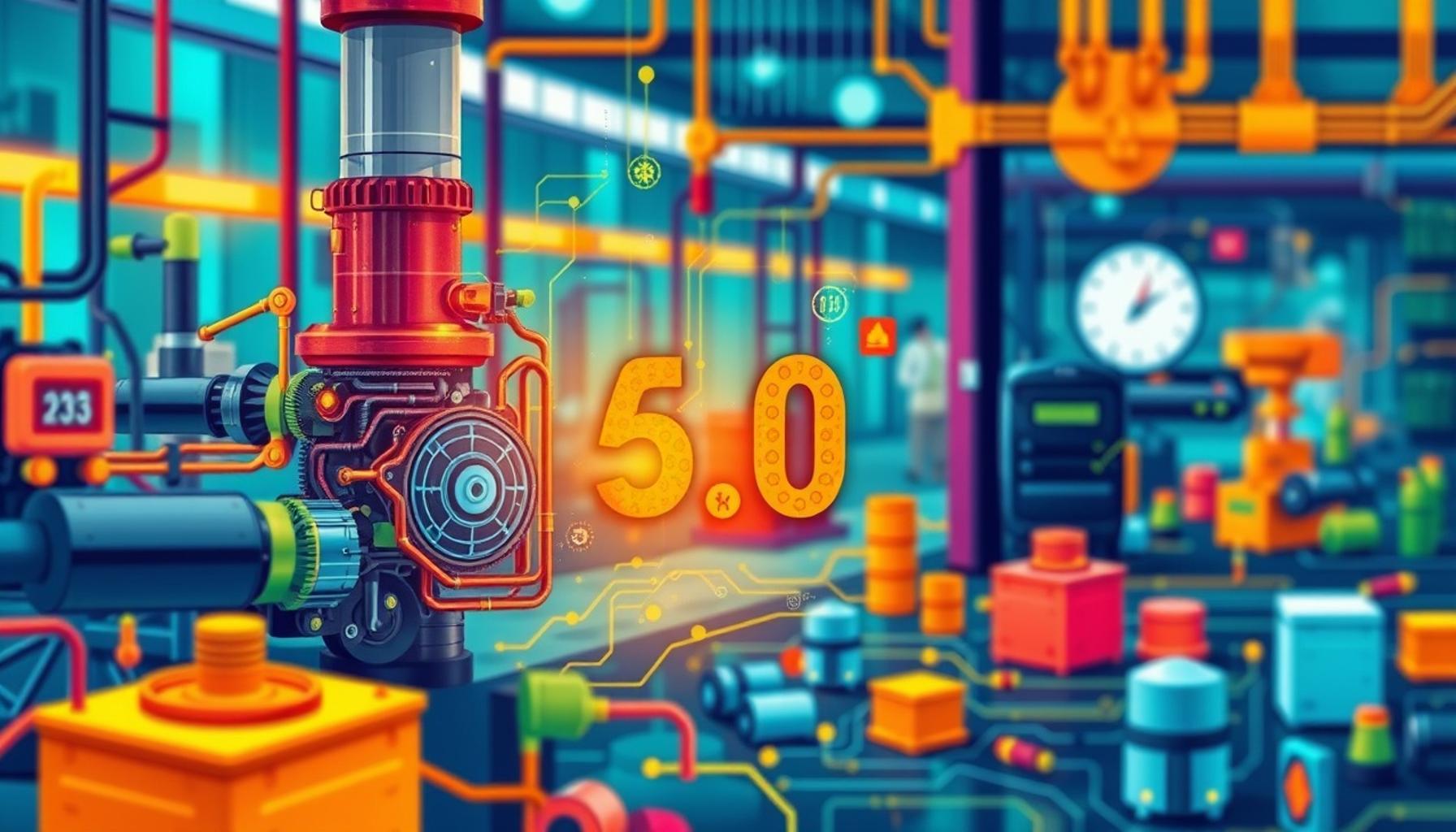
The Intersection of Automation and Artificial Intelligence
The rapid advancement of automation systems coupled with artificial intelligence (AI) is poised to transform the operational framework of modern industries dramatically. As we navigate through the transformative period known as Industry 4.0, businesses are faced with both exciting prospects and significant challenges that can redefine their futures.
These technologies are set to revolutionize production processes by offering:
- Enhanced efficiency: By integrating automation and AI, companies can streamline their operations, leading to reduced waste and improved productivity. For instance, automotive manufacturing plants utilize robotic arms for assembly, which not only speeds up the production line but also minimizes errors associated with human labor.
- Improved decision-making: AI systems can analyze vast amounts of data far more efficiently than the human brain. Companies that employ advanced data analytics software are able to forecast demand more accurately. A prime example is Amazon, which uses sophisticated algorithms to predict purchasing trends, allowing for optimized inventory management and logistics.
- Increased flexibility: Automation technologies enable businesses to rapidly adapt to shifting market conditions. This is particularly evident in the fashion industry, where companies like Zara leverage automated supply chains to respond quickly to changing consumer preferences, thus remaining competitive in a fast-paced market.
However, these advancements do not come without challenges. Integrating automation and AI poses several noteworthy hurdles:
- High implementation costs: The initial financial investment required to adopt these advanced technologies can be substantial, particularly for smaller enterprises. Investments in robotics and AI can also lead to concerns about returns on investment and long-term viability.
- Workforce impact: The rise of machines raises valid concerns about job displacement. As tasks become automated, there is an urgent need for reskilling the existing workforce. Companies must act to create training programs to help employees transition into new roles that focus on overseeing and maintaining AI technologies rather than performing repetitive tasks.
- Data security: With cyber threats on the rise, safeguarding sensitive information has become a top priority. Companies integrating AI technologies must employ robust cybersecurity measures to protect against data breaches and to maintain consumer trust.
Navigating these complexities is crucial for the future landscape of industries not just in the United States but around the globe. As companies explore the promising synergy between automation and AI within the framework of Industry 4.0, they must weigh the potential benefits against the inherent risks. This intricate balance will ultimately dictate the trajectory of innovation, workforce dynamics, and customer interactions in the years to come.
DISCOVER MORE: Click here to dive deeper
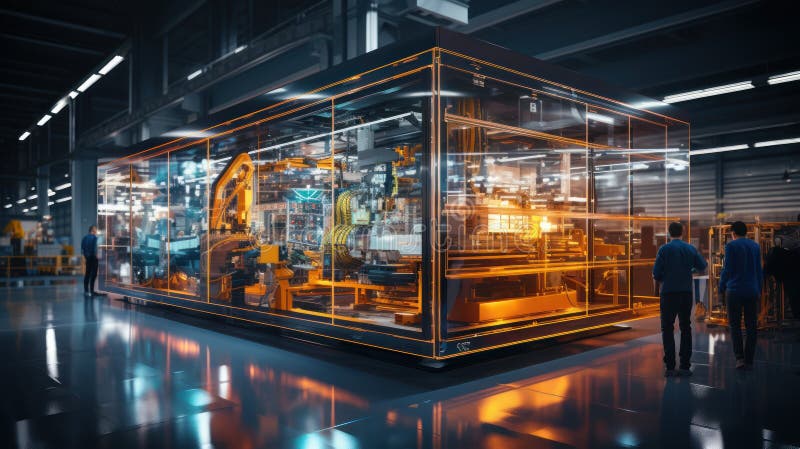
Unpacking the Landscape of Industry 4.0
The fusion of automation systems and artificial intelligence within the context of Industry 4.0 is not merely a technological upgrade; it is a fundamental restructuring of how industries operate. As companies embark on this digital transformation journey, they are confronted with an imperative to rethink their processes, workforce dynamics, and strategic approaches. This pivotal shift demands a comprehensive understanding of both the opportunities and challenges posed by the integration of these powerful technologies.
Opportunities for Enhanced Operational Excellence
Integrating automation with AI offers a treasure trove of opportunities aimed at enhancing operational efficiency, predictive capabilities, and customer satisfaction. Below are some key advantages:
- Predictive Maintenance: By marrying AI with automation, industries can move from reactive to predictive maintenance strategies. For example, manufacturing equipment equipped with AI algorithms can analyze performance data in real time, identifying potential failures before they happen. This proactive approach not only prolongs machinery life but also significantly reduces downtime, helping companies boost their bottom lines.
- Customization at Scale: Consumers today crave personalization, and AI-powered automation systems can facilitate mass customization without sacrificing efficiency. An example is the personalization engines employed by companies like Nike, which use AI to analyze customer preferences and adjust production processes accordingly to offer unique products tailored to individual tastes.
- Data-Driven Insights: Automation paired with AI can enhance data collection and analysis processes. Industries can leverage big data to gain actionable insights that inform decision-making. Companies such as General Electric (GE) utilize AI to analyze data from their machinery, enabling strategic innovations and more informed investment decisions.
Navigating the Challenges Ahead
However, these advancements are accompanied by a multitude of challenges that businesses must navigate. The integration of automation systems with AI is not without its share of obstacles:
- Interoperability Issues: As companies adopt diverse automation and AI tools, ensuring compatibility across systems becomes crucial. Industries often face challenges with legacy systems that are not designed to work with newer technologies, complicating integration efforts.
- Regulatory Compliance: As AI adoption grows, so does scrutiny from regulators. Organizations must stay abreast of emerging laws and ethical standards regarding AI usage, data privacy, and security. Non-compliance can lead to severe repercussions, including fines and reputational damage.
- Resistance to Change: Employees may resist transitioning to an automated workforce due to fear of job losses or discomfort with new technologies. Effective change management, including training and communication, is vital to help staff adapt to new roles and demonstrate the value of automation-driven environments.
Understanding these dynamics is essential for businesses aiming to embrace the opportunities associated with the integration of automation systems and AI within Industry 4.0. As they strive for a competitive edge in an increasingly complex landscape, companies will need innovative strategies to maximize benefits while mitigating risks. The path forward is fraught with challenges, yet the potential for progress remains substantial.
| Advantage | Description |
|---|---|
| Enhanced Decision-Making | Integration of AI allows for smarter and data-driven decisions, improving operational efficiency. |
| Predictive Maintenance | AI-driven automation systems can predict equipment failures, leading to reduced downtime and maintenance costs. |
The fusion of automation systems and artificial intelligence in Industry 4.0 presents an array of transformative challenges and opportunities. Businesses today are not merely adapting but are evolving through the incorporation of these advanced technologies, which propel them into a new era of productivity and innovation.One of the most significant aspects of this integration is the potential for enhanced decision-making. By leveraging advanced analytics and machine learning algorithms, companies can sift through vast amounts of data to extract actionable insights. This capability not only boosts operational efficiency but also allows organizations to anticipate market trends and customer needs, enabling them to maintain a competitive edge.Moreover, the advent of predictive maintenance is revolutionizing traditional manufacturing practices. AI-enabled systems can monitor equipment in real-time, predicting failures before they occur. This proactive approach not only minimizes costly downtimes but also optimizes maintenance schedules, providing substantial savings in operational costs.As Industry 4.0 continues to evolve, the intersection of automation systems with AI will likely redefine industry standards, paving the way for innovative business models and improved customer experiences.
DISCOVER MORE: Click here to learn how intelligent agents can transform decision-making
Harnessing the Potential of Human-Machine Collaboration
As automation systems and artificial intelligence converge in Industry 4.0, the focus increasingly shifts toward human-machine collaboration. This evolving partnership presents a new frontier for industries, unlocking innovative pathways that can drive productivity and creativity.
Empowering the Workforce
Instead of viewing AI and automation as threats to jobs, organizations should consider how these technologies can enhance employee capabilities. By taking over mundane tasks, automation allows workers to engage in more strategic and creative activities. For instance, in sectors like aerospace, AI-driven systems can automate routine quality checks, enabling engineers to devote more time to design optimization and problem-solving. Companies like Boeing are already leveraging these technologies to streamline their operations, thus fostering a more skilled workforce.
Advanced Decision-Making Capabilities
Furthermore, the integration of automation systems with AI can substantially improve decision-making processes. AI algorithms can quickly process large volumes of data, offering insights that humans may overlook. In the healthcare industry, for example, AI tools are utilized to analyze patient data, helping doctors make faster and more accurate diagnoses. This kind of data-driven decision support can revolutionize how industries operate, creating opportunities for better outcomes and improved service delivery.
Supply Chain Optimization
Supply chain management, a critical area for many businesses, stands to gain immensely from AI and automation integrations. Through real-time analytics and AI-driven forecasting, companies can optimize inventory management, reduce waste, and enhance responsiveness to market demands. For example, Walmart employs sophisticated AI models to predict demand fluctuations, allowing for efficient stock management and timely deliveries to its stores. Such capabilities highlight the potential to transform supply chains into agile networks that can adapt to changes in consumer behavior and supply disruptions.
Ethical Dimensions and Transparency
However, with great opportunity comes the responsibility of addressing ethical dimensions. The deployment of AI systems in automated environments raises critical questions about transparency and bias. Ensuring AI algorithms operate fairly and equitably is essential to maintain community trust. For instance, if machinery leverages biased data for decision-making, it could inadvertently perpetuate inequalities. Companies must prioritize ethical AI practices and invest in unbiased data collections and transparent algorithm frameworks. This is not only crucial for compliance but also vital for sustaining a positive brand reputation.
The Role of Collaboration Across Sectors
The challenges and opportunities presented by the integration of automation systems and AI are not confined to individual organizations. They demand a collective effort across sectors, academia, and government. Partnerships can drive innovation and are instrumental in establishing best practices and standards. For instance, initiatives like the Advanced Manufacturing National Program Office in the U.S. aim to foster collaborative research and development in advanced manufacturing technologies, emphasizing the importance of a holistic approach to integrating these systems effectively.
As industries navigate these complex dynamics, it becomes increasingly clear that the integration of automation systems with artificial intelligence in Industry 4.0 holds transformative potential. By embracing the opportunities for enhanced efficiency, improved decision-making, and ethical AI practices, organizations can position themselves at the forefront of this industrial revolution.
DISCOVER MORE: Click here for insights on machine learning and user experience
Conclusion: Paving the Path for an Intelligent Future
In conclusion, the integration of automation systems with artificial intelligence in the context of Industry 4.0 represents a paradigm shift that encapsulates both formidable challenges and remarkable opportunities. As industries venture deeper into this technological landscape, the promise of achieving heightened efficiency, enhanced decision-making, and transformative innovation becomes increasingly tangible. However, the road ahead is fraught with ethical considerations and the necessity for cultural shifts within organizations.
The prospect of human-machine collaboration offers an exciting future where employees are no longer merely operators but integral contributors to advanced processes. Leveraging AI allows workers to focus on more strategic and creative endeavors, thus fostering a culture of continuous learning and evolution. On the other hand, the ethical dimensions of applying AI cannot be overlooked; transparency and fairness must be prioritized to cultivate trust and sustainability.
Furthermore, as companies embark on this journey, cross-sector collaboration will be essential. Innovative partnerships across industries, academia, and government can drive research and development, laying down the framework for best practices and standards. As exemplified by initiatives such as the Advanced Manufacturing National Program Office in the U.S., a concerted effort is paramount to harness the full potential of these technologies effectively.
Ultimately, embracing the myriad opportunities within this integration will not only shape the future of industries but also redefine our approach to work and collaboration in an increasingly automated world. As we stand on the brink of this exciting frontier, remaining inquisitive and ethical will be instrumental in navigating the changes that lie ahead.