
Innovating Our Living Spaces: The Rise of AI in Home Automation
Artificial intelligence (AI) is rapidly reshaping the landscape of home environments, crafting a future that promises unprecedented levels of comfort and functionality. Home automation systems have evolved dramatically in recent years, integrating intelligent technologies that not only enhance day-to-day living but also create a safer, more efficient atmosphere. The result is an interconnected ecosystem that places control in the hands of users, revolutionizing how we interact with our homes.
Benefits of AI Integration
- Enhanced Control: With smart home devices, such as Amazon Alexa and Google Assistant, users can effortlessly manage appliances and systems remotely via smartphones or through voice commands. For instance, homeowners can adjust the thermostat, turn on lights, and even lock doors from anywhere, providing unparalleled convenience and peace of mind.
- Energy Efficiency: AI-enabled smart thermostats, like the Nest Learning Thermostat, can intelligently learn user behaviors over time to optimize energy usage without sacrificing comfort. By automatically adjusting heating and cooling based on occupancy and personal preferences, these systems not only reduce utility bills but also contribute to a more sustainable environment, aligning with eco-conscious consumer trends.
- Personalization: AI integrations allow home automation systems to learn specific user preferences and routines, creating tailored experiences. For example, smart lighting systems can adjust color and brightness according to the time of day or the user’s mood, making the home feel more personal and inviting.
Challenges to Consider
- Privacy Concerns: The collection of vast amounts of user data can lead to significant privacy issues. Companies must be transparent about how they use data and implement robust security measures to safeguard consumer information, a topic that has sparked ongoing debates among privacy advocates and tech giants.
- Interoperability: One of the primary hurdles facing home automation is the lack of compatibility between devices from different manufacturers. The smart home market is often fragmented, with various systems unable to communicate seamlessly, creating frustration for users who wish to integrate devices across platforms.
- Cost Implications: While the benefits of AI in home automation are clear, the initial setup costs can be a barrier for some households. High-quality devices and systems require an upfront investment, and ongoing maintenance can further strain budgets, which may deter potential users.
As we continue to explore the integration of AI in home automation systems, it is essential to balance the advantages with potential challenges. Understanding these dynamics not only highlights current trends but paves the way for future innovations that may redefine domestic living. As technology advances, we may find ourselves in homes that know our preferences, anticipate our needs, and help manage our lives with ease, while ongoing discussions surrounding privacy, interoperability, and costs remain vital to ensuring a user-friendly experience.
In conclusion, the future of home automation fueled by AI is not just about convenience; it is about creating smarter, safer, and more personalized environments that enhance our quality of life. As this technology continues to develop, staying informed and adaptive will be key to fully embracing its potential.
DISCOVER MORE: Click here
Exploring the Multifaceted Advantages of AI in Home Automation
The integration of AI in home automation systems brings forth a myriad of advantages that significantly enhance our living experiences. As households increasingly adopt smart technology, the benefits of AI extend beyond convenience, impacting sustainability, security, and overall quality of life. Let’s delve deeper into some of the most compelling benefits that AI offers in the realm of home automation.
Streamlined Home Management
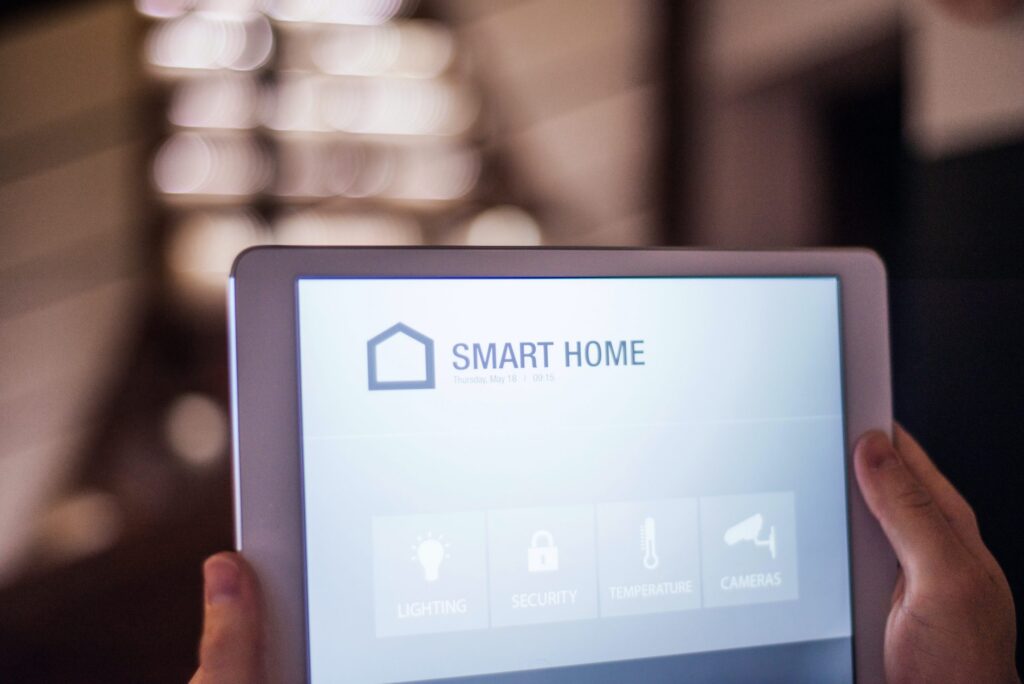
One of the standout features of AI in home automation is its ability to streamline home management. Users can utilize smart home hubs, such as Apple HomeKit or Samsung SmartThings, which centralize control over various devices. This unification simplifies tasks like managing security systems, lighting, and entertainment devices. For example, a household can set up routines where different actions are triggered by specific commands or times; turning off all lights and locking doors with a single voice command before bed is an appealing prospect for many.
Increased Security and Surveillance
As safety becomes an ever-growing concern for homeowners, AI-integrated security systems play a crucial role in providing peace of mind. Smart cameras equipped with AI technology can distinguish between familiar faces and strangers, alerting users to unusual activities around their property. Enhanced features, such as remote monitoring, motion detection alerts, and automatic notifications, keep homeowners informed and proactive, ensuring that they can address potential threats promptly. According to a study by the Consumer Technology Association, more than half of U.S. households with smart devices reported feeling safer thanks to the presence of AI-powered security installations.
Health and Wellness Management
AI also contributes to improved health and wellness in home automation. Smart home devices equipped with sensors can monitor indoor air quality, temperature, and other environmental factors, providing alerts when conditions may become unhealthy. Additionally, AI-integrated home automation can assist those with disabilities or mobility challenges through voice-activated devices and automated tasks. This independence allows users to maintain a comfortable and secure living environment, fostering a sense of autonomy that resonates deeply with individuals and their families.
Cost Savings Through Automation
In an age where rising costs are a concern for many families, AI in home automation systems offers numerous opportunities for significant savings. By utilizing smart appliances that optimize energy usage, households can lower their utility bills while contributing to a more sustainable environment. For instance, smart washing machines can choose the optimal water level and temperature based on the load size, while smart lighting systems can utilize occupancy sensors to turn off lights when no one is present. These energy efficiencies not only save money but also align with environmentally-aware consumer behaviors, promoting energy conservation.
Gathering Insights for Continuous Improvement
AI technologies provide valuable insights into user behavior that can lead to continuous improvements in home automation. By analyzing how residents interact with their devices, AI can recommend adjustments that enhance user experiences. For instance, smart HVAC systems can track patterns in household occupancy to determine the best heating and cooling settings, thereby optimizing comfort and increasing efficiency. This adaptive capability underscores the transformational potential of AI, as systems learn and evolve based on individual user preferences.
The integration of AI in home automation systems is not merely about technological advancements; it is about creating smarter, more responsive environments that cater to the needs and aspirations of modern households. These benefits set the stage for a future where home living is not just easier but more enriching, promoting safety, efficiency, and personalized experiences across the board.
| Advantages | Description |
|---|---|
| Enhanced Energy Efficiency | AI optimizes energy consumption by analyzing usage patterns and automatically adjusting settings. |
| Improved Security | AI-powered systems can identify unusual activities and alert homeowners, enhancing overall security levels. |
| Personalized User Experience | Through machine learning, AI systems can learn user preferences and automate tasks accordingly. |
The integration of AI in home automation systems is a game changer that offers remarkable advantages to homeowners. With an emphasis on enhanced energy efficiency, AI can facilitate significant savings by analyzing energy usage patterns, effectively managing systems, and reducing waste. This not only leads to lower utility bills but also contributes to environmental conservation. Another compelling benefit is the improved security these systems provide. AI-driven surveillance can recognize irregular patterns and alert homeowners instantly, ensuring safety and peace of mind. Additionally, personalizing the user experience enhances convenience, as AI learns from daily routines and automates tasks, adapting to individual preferences seamlessly. As such, the advantages of integrating AI technology open up avenues for innovative home automation solutions that can reimagine the way we interact with our living spaces.
DISCOVER MORE: Click here to learn how machine learning is shaping strategic decisions
Addressing the Challenges of AI in Home Automation Systems
While the benefits of integrating AI in home automation systems are compelling, it is equally essential to consider the challenges that can accompany this technological evolution. As homeowners embrace smart devices and AI solutions, the potential issues—ranging from security concerns to technological complexities—demand attention and understanding. Let’s explore some of the prominent challenges faced in the deployment of AI-powered home automation.
Privacy and Data Security Concerns
One of the most pressing challenges in adopting AI for home automation is the issue of privacy and data security. Smart devices often collect vast amounts of data, including personal habits, preferences, and daily routines. While this data is used to enhance user experience, it also raises significant concerns about who has access to this information. High-profile data breaches have shown that sensitive information can be vulnerable to cyberattacks. In fact, a report from the cybersecurity firm McAfee revealed that over 50% of U.S. households worry about the privacy of data collected by smart devices, highlighting the need for stringent security measures. Ensuring robust encryption and maintaining transparency about data collection are necessary steps to build user trust.
Interoperability and Compatibility Issues
The diverse landscape of smart home devices presents another challenge: interoperability. Different devices from various manufacturers may not work seamlessly together, creating frustrations for users looking for a unified experience. For instance, a smart thermostat may not communicate effectively with a different brand of smart lights, limiting the overall functionality of a home automation system. Industry standards, such as the Matter protocol, aim to address these concerns by promoting compatibility among devices. However, until widespread adoption occurs, households may face challenges in achieving cohesive automation.
High Initial Costs and Maintenance
While long-term savings are often cited as a key benefit of AI in home automation, the initial investment can be daunting for many consumers. The cost of purchasing and installing smart home devices can quickly add up, particularly for families looking to outfit their entire home. Furthermore, maintenance and potential upgrades to systems or devices can also lead to unexpected expenses. A recent survey by CNET found that nearly 40% of consumers cited cost as a primary barrier to adopting smart home technology. Understanding the return on investment is critical for consumers as they navigate these financial considerations.
Dependence on Technology and System Failures
The reliance on technology can create vulnerabilities in everyday life. Home automation systems powered by AI can suffer from outages or malfunctions, leading to system failures that may compromise security or disrupt daily activities. For example, a power outage may render smart locks inoperable, leaving a home unprotected. Additionally, if a system becomes too reliant on software updates, changes may inadvertently cause functionality issues. Thus, a balance must be struck between leveraging AI capabilities and ensuring that conventional methods remain available as a fallback.
The Learning Curve and User Acceptance
Lastly, one cannot overlook the learning curve associated with the integration of AI in home automation systems. While many users find smart home devices intuitive, others may struggle to adapt to new technologies. Age and familiarity with tech can influence user acceptance significantly. According to a study by the Pew Research Center, nearly 70% of older adults expressed skepticism about their ability to use smart home devices effectively. Educational initiatives and user-friendly interfaces are vital to ensure that all individuals, regardless of their tech-savvy level, can benefit from advances in home automation.
The integration of AI into home automation systems undoubtedly holds promise for enhancing modern living; however, the accompanying challenges warrant attention. As developers and consumers alike navigate these hurdles, ongoing dialogue and innovation will be critical to creating systems that prioritize security, compatibility, and user accessibility, ultimately leading to a seamless and enriching smart home experience.
DISCOVER MORE: Click here to learn how intelligent agents combat financial fraud
Conclusion: Navigating the Future of AI in Home Automation Systems
The landscape of home automation systems is rapidly evolving with the integration of AI technologies, promising to enhance comfort, convenience, and energy efficiency in our living spaces. However, the road ahead is not without its obstacles. Consumers and developers alike must address critical challenges such as data privacy, interoperability, and the high costs associated with setting up advanced smart homes. As reports indicate, over half of U.S. households harbor concerns about the security of their personal information, underscoring the need for stringent protective measures as these technologies gain traction.
Moreover, the synchrony between different devices remains a significant hurdle, affecting the consumer experience and limiting the potential of smart home environments. While industry-wide standards like the Matter protocol aim to streamline compatibility, ongoing innovation and user education will be essential for widespread acceptance and seamless integration. As noted in studies, a significant portion of the population, particularly older adults, face challenges in adapting to these changes, emphasizing the importance of user-friendly designs and comprehensive support systems.
Ultimately, the pursuit of a fully integrated smart home necessitates a collective effort—promoting enhanced communication between manufacturers, consumers, and policymakers to address these emerging complexities. As we navigate this dynamic terrain, embracing both the advantages and challenges posed by AI in home automation will be pivotal in creating a future where intelligent living solutions enrich our daily lives.