
Transforming Education through Technology
The integration of machine learning into education is not just a passing trend; it’s a transformative movement that is redefining how students learn and how educators teach. Schools and educational institutions across the United States are increasingly adopting advanced technologies to improve teaching effectiveness and student engagement, leading to a more dynamic educational landscape.
Personalized Learning
One of the most significant advancements is in the realm of personalized learning. By harnessing the power of machine learning algorithms, educators can analyze vast amounts of student data to discern patterns in individual learning styles, strengths, and weaknesses. For example, platforms like DreamBox Learning and IXL employ advanced analytics to adapt the curriculum in real-time based on each student’s performance. This means that if a student struggles with a particular math concept, the program can provide additional practice and resources tailored specifically to that need, allowing for a customized educational experience.
Furthermore, personalized learning is not limited to academic content. Tools such as chatbots and virtual tutors are available 24/7, offering students instant support when questions arise outside traditional classroom hours. The shift toward personalized learning encourages students to take ownership of their education, fostering self-directed learning and boosting confidence in their abilities.
Automated Assessment
Another crucial area being transformed is automated assessment. Grading can often be a tedious and time-consuming process, taking valuable time away from teacher-student interactions. Automated assessment tools, utilizing artificial intelligence, streamline grading for multiple-choice tests, essays, and even complex problem-solving exercises. For instance, platforms like Gradescope allow educators to grade assignments quickly while maintaining consistency and fairness. This way, teachers can devote more time to enhancing instructional quality and engaging directly with students.
While the benefits of these innovations are compelling, the implementation of such technology poses significant challenges. Issues surrounding data privacy and security are at the forefront, with parents and educators expressing concern about how student data is collected and utilized. Additionally, there are debates about the effectiveness of AI in comprehending complex human emotions and learning nuances, which are critical for educational success. The balance between leveraging technology and maintaining ethical standards will be crucial as schools navigate this evolving landscape.
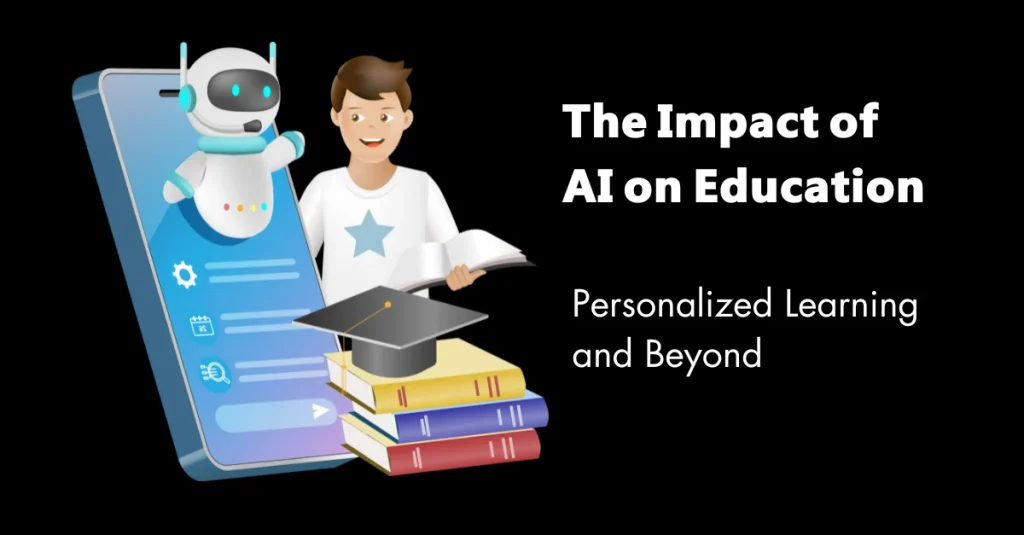
As educational institutions continue to embrace these advancements, it opens doors to fascinating possibilities for the future of learning. With machine learning fostering a more personalized and efficient classroom experience, educators and students alike are poised for a transformative journey that may change the very fabric of education. This ongoing exploration prompts vital questions about the impact on learning outcomes, suggesting that the dialogue around machine learning and education is far from over.
LEARN MORE: Click here to dive deeper
The Future of Learning: Embracing Personalization and Automation
The landscape of education is continually evolving, and one of the most radical shifts comes from the application of machine learning technologies. With the ability to process and analyze enormous datasets, machine learning is paving the way for educational experiences that are not only more enriching but also increasingly tailored to individual student needs. From kindergarten classrooms to higher education settings, the potential for personalized learning is profound, impacting how students engage with material and how teachers facilitate learning.
The Power of Data-Driven Insights
Machine learning algorithms draw information from a variety of sources—ranging from test scores and attendance records to engagement metrics on learning management systems. This data allows educators to gain insights into each student’s unique learning journey, enabling a more informed approach to teaching. Institutions that utilize programs like Clever and Edmodo are leveraging these analytics to create dynamic learning environments tailored to the strengths and weaknesses of their students. Here are several ways in which machine learning contributes to personalized learning:
- Adaptive Learning Technologies: Systems such as Knewton adjust educational content based on real-time monitoring of student performance, ensuring that learners face the right level of challenge.
- Customized Learning Pathways: Each learner can navigate their educational path; for instance, tools like Smart Sparrow empower students to explore topics at their own pace, while algorithms select relevant content based on individual progress.
- Interventions and Support: Educators can receive alerts on students who may need more attention, making it easier to provide timely interventions before learning gaps widen.
The benefits of these personalized technologies are manifold. Not only do they cater to diverse learning styles, but they also promote engagement and motivation. When students interact with materials that resonate with their experiences and preferences, they are more likely to invest time and effort into their studies, thus fostering a more profound love of learning.
Challenges of Implementation
Despite the compelling advantages, the integration of machine learning in education does not come without hurdles. Issues surrounding data privacy have sparked concerns among parents and educators alike. The very nature of personalizing learning involves collecting extensive information about students, raising questions about how this data is stored, shared, and utilized. Additionally, a reliance on algorithms could inadvertently reinforce biases present in the data, complicating the promise of equitable education.
Furthermore, while technology can enhance assessment and engagement, it cannot replace the crucial human element in education. Effective teaching involves emotional intelligence, empathy, and nuanced understanding—qualities that algorithms have yet to replicate. The challenge for institutions will be in finding the right balance between leveraging machine learning and preserving the vital human connections that foster growth and development in students.
As educational paradigms shift, ongoing discussion surrounding the implications of machine learning is essential. This dialogue will guide the future of education, ensuring that technology enhances rather than detracts from the educational experience, preserving the core values of learning while embracing the innovative possibilities ahead.
| Category | Details |
|---|---|
| Personalized Learning | Machine learning algorithms analyze individual student data to create tailored learning experiences, adapting content to meet specific needs. |
| Automated Assessment | Utilizing AI, assessments can be graded in real-time, providing immediate feedback to learners and enhancing their understanding of subject matter. |
As machine learning continues to evolve, its application in education is leading to transformative changes that cater specifically to individual student needs. Personalized Learning harnesses the power of data analytics to create unique educational journeys. This not only enhances engagement but also increases retention rates. Additionally, with Automated Assessment, the traditional methods of grading are revolutionized. AI-driven tools allow for a swift evaluation of student performance, providing accurate feedback instantly. This reduces the burden on educators and allows them to focus more on teaching rather than administrative tasks. Moreover, these developments encourage a rise in differentiated instruction, as teachers can easily identify students who may need additional support or enrichment opportunities. The integration of machine learning technologies fosters an environment where students can thrive at their own pace, making education a more inclusive and equitable experience. The implications are profound; as we continue to embrace this technology, the future of education holds promising advancements that can significantly enhance learning outcomes across diverse classrooms.
DISCOVER MORE: Click here for insights on emerging tools
Redefining Assessment through Automation
As the landscape of education transforms under the influence of machine learning, another significant aspect is the realm of automated assessment. Traditionally, evaluations have relied heavily on standardized tests and subjective teacher assessments, often failing to capture the full picture of a student’s abilities. With the advent of machine learning, assessments are becoming more nuanced, adaptive, and efficient, ushering in an era of examination that emphasizes student understanding rather than rote memorization.
Intelligent Assessment Tools
One promising avenue in automated assessment is the use of intelligent tutoring systems like Carnegie Learning and DreamBox Learning. These tools leverage machine learning algorithms to evaluate student responses in real-time and provide immediate feedback. This rapid response not only allows learners to adjust their strategies but also gives educators insights into areas where students excel or struggle. Studies indicate that immediate assessment and feedback can lead to significant improvements in student performance, suggesting that ongoing, real-time evaluations may be more beneficial than traditional, high-stakes testing methods.
Furthermore, automated assessments can incorporate various question types and formats, including short answers and open-ended questions, allowing students to express their understanding in more diverse ways. Platforms like Gradescope utilize AI to streamline the grading of such complex responses, reducing the workload for teachers while ensuring a fair and consistent evaluation. This shift away from strictly multiple-choice formats fosters critical thinking and problem-solving skills, key competencies in today’s job market.
Addressing Equity and Accessibility
While automated assessment technology shows great promise, there are also challenges that must be addressed, particularly concerning equity and accessibility. Machine learning algorithms can tend to echo biases present in their training data. For example, if an algorithm is primarily trained using datasets from a specific demographic, it may inadvertently disadvantage students from different backgrounds. To mitigate such risks, educational institutions must ensure that the data sets used to train their machine learning models are diverse, representing a wide range of students and learning styles.
The question of accessibility is likewise critical. As assessments become increasingly digital, institutions need to ensure that all students, regardless of socio-economic status or ability, have equal access to the necessary tools and technologies. This inclusivity is essential to the integrity of automated assessments, ensuring that they are fair and representative of each student’s potential.
The Teacher’s Role in an Automated Landscape
Amidst the rise of automated assessment, the role of teachers is evolving. Contrary to the fears of some that technology might render educators obsolete, machine learning presents an opportunity for teachers to focus more on individualized coaching and mentorship. By offloading the logistical aspects of grading and assessment to AI, educators can invest more time in fostering meaningful connections with students and providing tailored support. This shift emphasizes the importance of the teacher-student relationship in facilitating deeper learning experiences and encourages teachers to become facilitators of knowledge rather than mere dispensers of information.
The future of education, enhanced by machine learning, holds the promise of creating a more adaptive, inclusive, and engaging learning environment. As we navigate these advancements, ongoing evaluation and a commitment to equitable practices will be crucial in realizing their full potential across diverse educational contexts.
DISCOVER MORE: Click here to enhance your knowledge
Conclusion: Embracing the Future of Education
The integration of machine learning in education is not merely a trend but a transformative force that is reshaping how students learn and how educators assess progress. By facilitating personalized learning experiences, machine learning ensures that instruction is tailored to individual needs, ultimately leading to improved engagement and retention of knowledge. In tandem, the rise of automated assessment offers a more dynamic understanding of student achievements, drastically reducing reliance on outdated grading methods that often fall short of capturing true potential.
Moreover, the adoption of intelligent tools provides real-time feedback, enabling timely interventions and adjustments in teaching strategies. This transition not only empowers students but also allows teachers to reclaim valuable time for mentorship and individual support. While the benefits are substantial, they come with challenges that need addressing, particularly in terms of equity and accessibility. Ensuring that the implementation of these technologies is fair and inclusive will be vital for fostering an educational environment that truly benefits every learner.
As machine learning continues to evolve, the dialogue surrounding its implications for education must also progress. Educators, policymakers, and technologists must collaborate to overcome potential biases and ensure that all students, regardless of background, gain from the innovations that AI and machine learning offer. By embracing these advancements thoughtfully, we can unlock new pathways for learning, making education not only more efficient but also richer and more meaningful for every student.