
The Evolution of Performing Arts: How New Technologies Are Transforming Theatre
Unveiling a New Era in Theatre
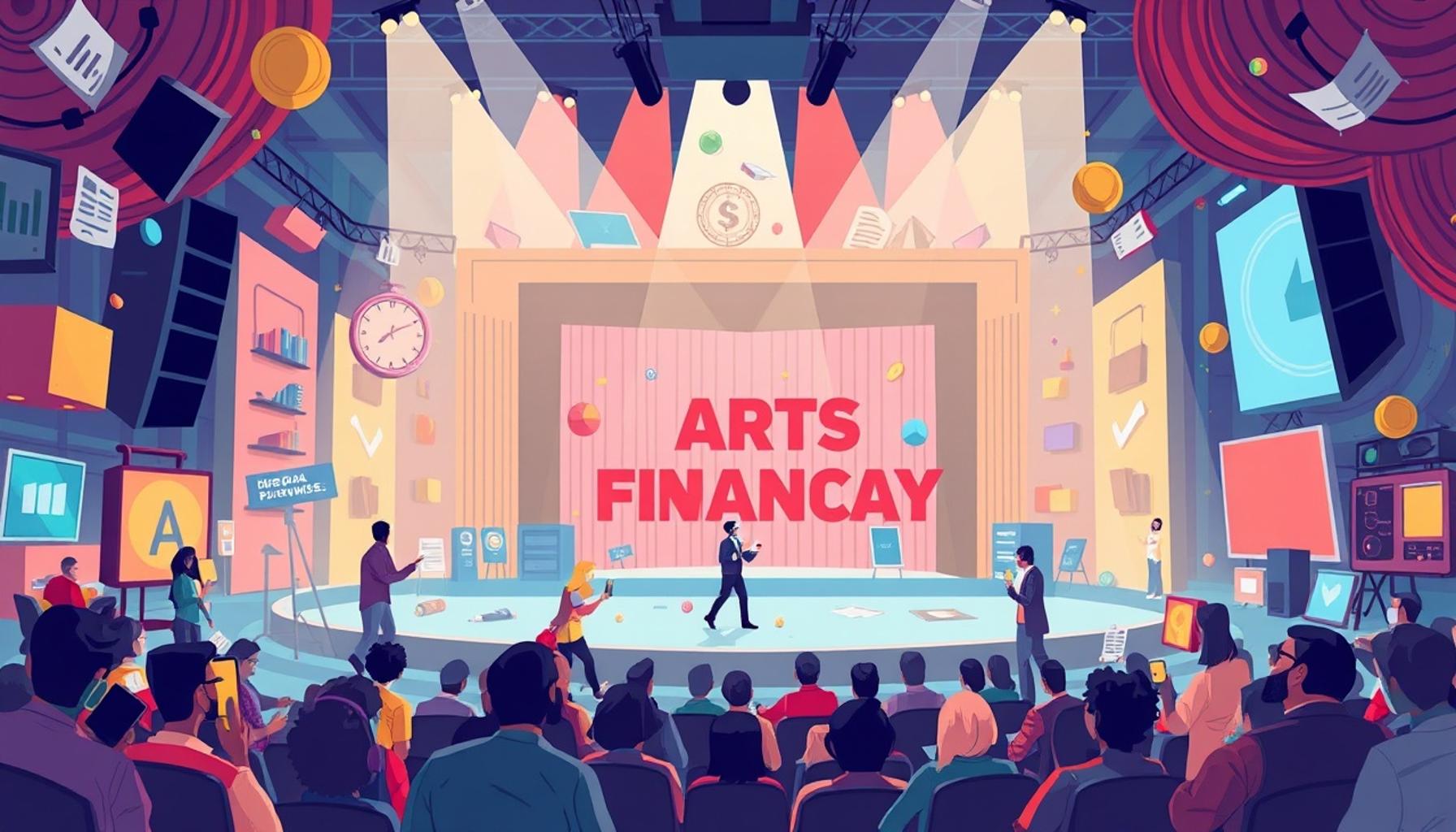
The world of theatre is undergoing a remarkable transformation, driven largely by advancements in technology. This evolution not only redefines how stories are told but also reshapes audience experiences in unprecedented ways.
As we delve into the intersection of technology and performing arts, several intriguing trends emerge:
- Interactive Experiences: The traditional spectator role is evolving, as audiences are now able to engage directly with performances through apps and social media platforms. For instance, productions like “Sleep No More” have embraced interactive storytelling, allowing attendees to wander through the performance space, exploring different scenes at their own pace. This level of engagement fosters a personal connection to the narrative, making each experience unique.
- Virtual Reality (VR): VR platforms are creating immersive environments where viewers can step inside the narrative. The Royal Shakespeare Company, for example, has experimented with VR adaptations of their productions, allowing participants to experience the action from within the world of the play. This not only heightens the emotional impact but also draws in a younger audience that may be more accustomed to interactive digital platforms.
- Projections and Visual Effects: Cutting-edge projections are enhancing set designs, making them dynamic and adaptable. Companies like 59E59 Theaters in New York have started using projection mapping to create multi-layered visual experiences that transport audiences to different locales without the need for extensive physical sets. This innovation offers endless creative possibilities, allowing theatre makers to tell stories in visually captivating ways.
These innovations are not merely additions; they are revolutionizing the essence of theatre, blending traditional artistry with modern technology. The democratization of stagecraft allows for a broader range of voices and stories, making the performing arts more inclusive. Productions that might have struggled to stage complex narratives due to budget constraints can now leverage technology to bring their visions to life.
Moreover, the COVID-19 pandemic accelerated this shift, prompting theatres to explore digital performances and online platforms. Many companies transitioned to virtual streaming, offering performances to audiences around the world. Not only did this maintain community engagement during lockdowns, but it also revealed new revenue streams and audiences, leading to a reimagination of theatre’s reach.
As theatres navigate this new landscape, questions arise:
- How will these changes affect traditional playwriting? Are playwrights adapting their narratives to suit new mediums?
- Will virtual experiences ever replace the magic of live performances? The intimacy of shared laughter and gasps in a live setting is irreplaceable, yet technology aims to redefine how these communal experiences can occur.
- What does the future hold for theatrical storytelling in a digital age? Will we see more hybrid performances that blend both in-person and virtual elements?
Join us as we explore these pivotal shifts and discover how new technologies are not just transforming theatre but also redefining the very nature of artistic expression. The dialogue between technology and live performance invites us to reimagine what theatre can be, opening up exciting possibilities for both creators and audiences alike.
DIVE DEEPER: Click here to discover more
Bridging the Gap: The Impact of Technology on Storytelling
The integration of technology into theatre is not merely an enhancement but a redefinition of storytelling methods. As genres of performance evolve, so too do the expectations of audiences. Today’s viewers are increasingly accustomed to dynamic narratives and immersive environments, thanks to advancements in technology. This shift calls for theatre makers to embrace innovation not only in production but also in the fundamental understanding of their craft.
One pivotal aspect of this transformation lies in the collaboration between disciplines. Traditional theatre artists are finding themselves working alongside tech professionals, resulting in a fusion of artistic and technological expertise. This collaborative spirit is evident in how performances are crafted. For instance, the use of augmented reality (AR) allows actors to interact with digital layers superimposed on their surroundings, creating a complex tapestry of reality and fantasy. Companies such as Punchdrunk are leading the charge in this arena, blending live performance with technology to produce experiences that engage multiple senses and challenge conventional narrative forms.
Technological Tools Reshaping the Creative Process
Moreover, the tools available to theatre creators today have expanded significantly. The democratization of technology means that even smaller companies can access high-quality equipment that was once prohibitively expensive. High-definition video cameras, professional sound equipment, and sophisticated editing software empower theatre artists to experiment with their productions like never before. In particular, the rise of streaming platforms has catalyzed this trend, allowing performances to reach global audiences without the constraints of physical theatres. Notable examples include the Broadway industry’s pivot during the pandemic, as productions like “Hamilton” became available on Disney+, showcasing how digital access can transcend geographical boundaries.
Yet, the use of technology in theatre is not limited to performance alone. Social media has emerged as a crucial tool for marketing and audience engagement. Theatre companies are harnessing platforms such as TikTok, Instagram, and Twitter to promote shows, build communities, and even provide behind-the-scenes content. This direct interaction with audiences fosters a sense of belonging and investment in the productions, as fans get to participate in the narrative long before the curtain rises.
- Increased Accessibility: Technological advancements have made theatre more accessible to individuals with disabilities, through the implementation of captioning, audio descriptions, and other assistive technologies.
- Data-Driven Insights: Analytics tools enable theatres to analyze audience preferences and behaviors, refining marketing strategies to better cater to their clientele.
- Innovative Use of Space: The advent of virtual theatres allows creators to experiment with unconventional spaces, setting the stage for productions anywhere from rooftops to warehouses.
This omnipresence of technology means that the traditional boundaries of theatre are constantly being pushed, creating a less hierarchical and more collaborative environment. As we continue to peel back the layers of this transformation, the question remains: how will these changes transform the essence of theatrical storytelling? The answers could lead us to a future where theatre is not only a reflection of society but a canvas where technology and artistry intertwine in ways previously thought impossible.
The Role of Technology in Theatre Transformation
As we delve deeper into the impact of technology on the performing arts, it becomes evident that the integration of cutting-edge technologies is revolutionizing not just the production aspects of theatre, but also the overall experience for audiences. One of the most significant advancements has been in visual effects and digital projection. These technologies allow for the creation of immersive environments that blend the physical stage with digitally rendered backdrops. Such innovations have made it possible to transport audiences to fantastical locations that were once only limited by the imagination of the playwright. For instance, productions now frequently employ 3D mapping techniques, which project images onto surfaces to create stunning visual effects that enhance storytelling.Moreover, the rise of live-streaming and virtual reality (VR) platforms has opened theatre to a global audience. Theatre companies are no longer restricted by geographical boundaries—performances can now reach millions of viewers who participate from the comfort of their homes. This shift not only broadens the audience base but also creates new financial opportunities through ticket sales and sponsorships.The use of social media is another way technology is enhancing the performing arts. From teasers and behind-the-scenes footage to audience engagement and feedback, social media platforms play a crucial role in how productions engage with audiences. This real-time interaction builds a community around the theatre, creating a buzz that can significantly drive ticket sales and interest in upcoming shows.
Innovations in Set Design and Costuming
Furthermore, advancements in materials and 3D printing technology have transformed set design and costuming in unprecedented ways. Designers are now able to create intricate designs that were previously too costly or time-consuming to produce. The process of costume design has also evolved; designers can easily create custom pieces that fit and respond to actors’ movements and stage lighting conditions seamlessly.Overall, these technological advancements reflect a broader cultural shift, where theatre adapts to modern sensibilities and expectations. By embracing new technologies, the performing arts are not only preserving traditions but are also ensuring their relevance in an ever-evolving entertainment landscape. The evolution of theatre is a testament to how innovation can breathe new life into age-old art forms.
DIVE DEEPER: Click here to discover more
Immersive Experiences and Audience Engagement
The evolution of performing arts is marked by a growing emphasis on immersive experiences that draw audiences deeper into the narrative. The rise of virtual reality (VR) and interactive storytelling is reshaping the way stories are told and experienced within theatre. Pioneering companies like The Old Vic in London have experimented with VR technology to create unique narratives where audiences can engage with characters and environments in real-time. For instance, productions that incorporate VR elements allow viewers to step into the play’s universe, exploring scenes and influences that would traditionally remain behind the proscenium arch.
Furthermore, this shift towards interactivity extends beyond mere technological gimmicks; it challenges audiences to become co-creators of the theatrical experience. Projects like “The Ghost Light” have employed audience participation as a tool to explore themes of fear and community, blurring the lines between observer and participant. Such immersive formats not only captivate the audience but also bring a fresh vitality to performing arts that resonates with younger generations increasingly drawn to interactive media.
Augmented Reality: The Next Frontier in Theatre
Augmented reality (AR) is another innovative tool transforming the stage experience, as it introduces a layer where the real and the surreal intertwine. Theatre companies are beginning to utilize AR in profound ways, offering audiences an enhanced understanding of characters’ emotions and environments. For example, productions like “The Tempest” have integrated AR applications that allow audiences to unlock additional content with their smartphones, deepening their engagement with the performance.
This technology not only enhances storytelling but also serves as a valuable bridge between theatre and video gaming, capturing a demographic that thrives on interactive content. By creating a dialogue between the audience and the production, theatre can revitalize its relevance in society, ensuring that it remains a vital part of the cultural landscape.
- Education and Workshops: Many theatres are now offering workshops that incorporate new technologies, training the next generation of performers to embrace virtual tools in their artistic practice.
- Accessibility Initiatives: AR and VR technologies are utilized to craft experiences tailored for families with young children or audiences with sensory sensitivities, further diversifying theatre’s reach.
- Environmental Awareness: Technology is enabling more sustainable practices in theatre, from digital ticketing to reduced physical sets, promoting ecological responsibility alongside creativity.
As the industry continues to embrace these technological advancements, it not only changes how stories are told but also who gets to tell them. A wide array of voices can now thrive in this hybrid world of artistry and tech, enriching the fabric of theatre as a communal art form. This merging of talent suggests an exciting future where the magic of the theatre can coexist with the innovations of the digital age, redefining our understanding of performance in the process.
DIVE DEEPER: Click here to discover more
Conclusion: The Future of Theatre in a Digital Age
The journey of performing arts through the lens of new technologies illuminates a vibrant future teeming with possibilities. As virtual reality (VR), augmented reality (AR), and interactive experiences redefine traditional theatre conventions, they open the door to a paradigm shift in how stories are communicated and felt. Audiences are no longer passive observers; they are active participants in a narrative dialogue that enhances their emotional investment and engagement.
The integration of technology in theatre not only captivates newer generations but also enhances accessibility, thereby broadening the reach of theatrical performances. By introducing interactive elements and immersive environments, theatre companies are dismantling barriers that often prevent audiences from fully engaging with the arts. Moreover, educational initiatives that embrace technology are preparing the next generation of creators to communicate in this evolving landscape, ensuring that diverse voices are represented.
Importantly, the push toward sustainability through digital innovations also showcases the performing arts’ commitment to environmental responsibility, illustrating that creativity can harmoniously coexist with ecological consciousness. As the industry navigates this intricate nexus of art and technology, it lays a foundation for a renewed theatrical practice that prioritizes inclusivity and interaction. The future of theatre is poised to blend the richness of traditional storytelling with the limitless potential of digital exploration, creating experiences that are not just seen but felt, and offering audiences a deeper understanding of the world around them. This transformation heralds an exciting era where the power of performance continues to resonate across diverse platforms and generations.
Related posts:
The Importance of Improvisation in Performing Arts: Developing Creativity and Self-Confidence
Performing Arts and Sustainability: How Groups Are Promoting Environmental Awareness Through Perform...
The Role of Performing Arts in Education: How Theater and Dance Can Enrich the School Curriculum
The Influence of Performance Arts on Mental Health: Therapy through Creative Expression
The Role of Performing Arts in Cultural Preservation: Traditions and Innovations
The Interaction between Performing Arts and Digital Technology: New Forms of Engagement and Creation

Beatriz Johnson is a seasoned creative enthusiast and writer with a passion for simplifying the intricacies of artistic hobbies and DIY projects. With over a decade of experience exploring various creative fields, she specializes in topics like crafting, painting, and innovative DIY techniques. Through her work, Beatriz inspires readers to unleash their creativity, try new artistic endeavors, and stay inspired in the ever-evolving world of creative hobbies.