Performing Arts and Sustainability: How Groups Are Promoting Environmental Awareness Through Performance

Shaping Consciousness Through Creativity
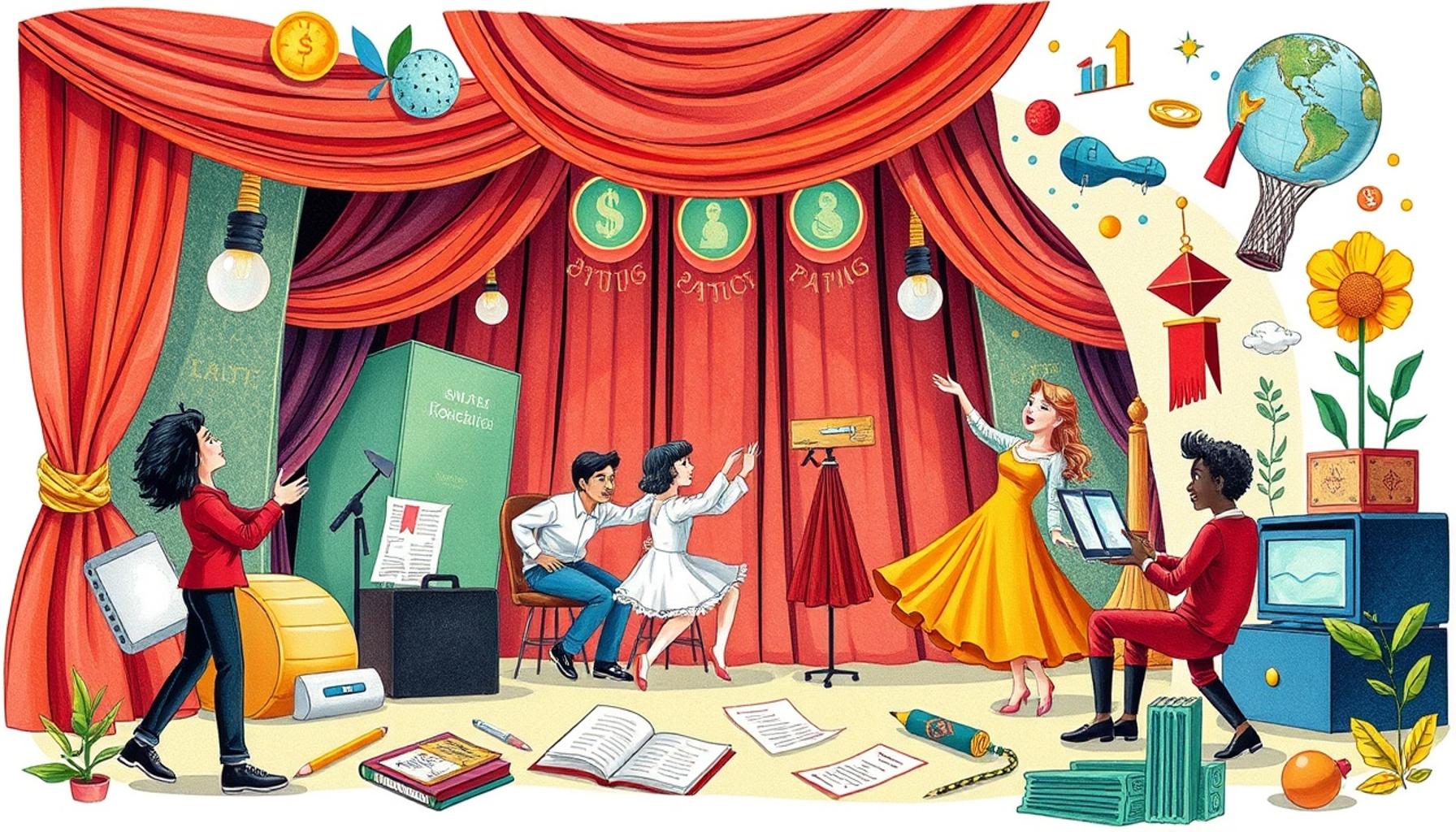
The intersection of performing arts and sustainability is unfolding as a powerful platform for change. Artistic expressions such as theater, dance, and music not only entertain but also spark critical conversations about our planet’s health. Across the United States, various groups harness the emotional resonance of performance to elevate environmental awareness. This dynamic relationship emphasizes how creativity can mold societal values and provoke thoughtful dialogue around climate issues.
Impactful Initiatives
Artistic endeavors actively engage audiences, opening doors for discussions that might feel uncomfortable in traditional forums. Here are a few examples of how performing arts are promoting environmental consciousness:
- Theatrical Productions: Plays such as “The Last Republic,” written by esteemed playwright Ikenna Nwagbara, tackle climate change themes directly in their narratives. Through thought-provoking dialogue and compelling characters, these productions encourage audiences to reflect on their own environmental roles, making the abstract problem of climate change more tangible and personal.
- Music Festivals: Events like Coachella have increasingly incorporated sustainability messages and practices, such as banning single-use plastics and offering only compostable foodware. Many artists use their platforms to promote environmental activism, with performances that resonate with climate justice. For instance, Billie Eilish often advocates for sustainability during her concerts, encouraging fans to take action by participating in cleaner practices.
- Dance Companies: Groups like Urban Bush Women use performances to reflect on socio-environmental issues. Their work often emphasizes community resilience and environmental justice, merging movement with messages that speak to the urgency of climate action. The company draws on narratives from diverse communities, emphasizing the interconnectedness of social and environmental challenges.
These initiatives provide a glimpse into the myriad ways art can catalyze change. By blending creativity with activism, performers provoke thought and inspire personal action among audiences. As societal awareness of the climate dilemma escalates, the role of the arts in fostering a sustainable future cannot be underestimated.
A Call to Action
The performing arts community encourages people to engage with pressing environmental issues through powerful storytelling. With every ticket sold and every audience member reached, the potential for awareness expands. Moreover, these performances often include calls to action, directing viewers toward local organizations or initiatives they can support to make a tangible difference. This movement emphasizes that art is not just a reflection of society, but a vehicle for shaping a sustainable tomorrow. As such, artists are uniquely positioned to influence not only cultural perceptions but also to mobilize collective action for the planet’s future.
Engaging with performing arts offers an enriching way to connect with critical environmental narratives. As audiences enjoy meaningful performances, they are also encouraged to examine their own environmental impact, thus fostering a culture of sustainability that extends far beyond the stage.
Transformative Power of Performance
As the urgency of climate change intensifies, the performing arts serve as a formidable ally in promoting sustainability and encouraging environmental stewardship. From community theater to large-scale productions, artists leverage their platforms to recreate narratives that challenge perceptions, provoke emotions, and ultimately inspire action. The power of storytelling is harnessed to raise awareness of ecological issues and to instill a sense of personal responsibility among audiences.
Groundbreaking Collaborations
Across the United States, various theater companies, dance troupes, and musical ensembles are partnering with environmental organizations to craft performances that are both impactful and educational. Here are several notable collaborations:
- Theater Green: This initiative invites playwrights to incorporate environmental themes into their scripts. Productions often feature characters facing ecological dilemmas, such as pollution and habitat loss, allowing audiences to connect emotionally with the subject matter and view environmental degradation through a human lens.
- Festival of Arts and Ecology: An annual event held in various cities, this festival showcases performances dedicated to environmental themes, such as climate justice and biodiversity. By featuring local artists and eco-activists, the festival aims to engage communities in dialogue around pressing ecological issues while celebrating creativity.
- Eco-Conscious Dance Festivals: Events like the American College Dance Association festivals often include choreography inspired by nature and sustainability. Dancers express environmental narratives through movement, prompting viewers to consider their relationship with nature and their environmental impacts.
These collaborations demonstrate how the performing arts can educate and motivate audiences to make sustainable choices in their lives. Furthermore, by showcasing narratives rooted in authenticity and urgency, these initiatives elevate profound environmental observations to a stage that resonates with attendees.
Creating Lasting Impact
Research indicates that performances centered around sustainability create a ripple effect within communities. They not only entertain but also educate and provoke discussions about environmental issues. For instance, a performance that highlights the struggles of a community affected by climate change can lead to increased support for local environmental initiatives or inspire community members to take action in their own lives.
As public awareness of climate change continues to grow, the role of the performing arts in shaping public consciousness and promoting sustainability will likely become increasingly significant. By guiding audiences through the emotional landscape of environmental challenges, artists affirm that performance is not merely an artistic endeavor but a deeply engaged form of activism. This blend of art and advocacy offers an influential avenue for reimagining our relationship with the environment.
| Advantage | Description |
|---|---|
| Raising Awareness | Performances create an emotional connection, making environmental issues relatable to audiences. |
| Community Engagement | Local groups often involve the community in productions, fostering discussion about sustainability. |
| Innovative Storytelling | The arts utilize creative narratives to convey messages about environmental stewardship. |
| Collaboration with Experts | Artists partner with scientists and activists to present accurate and compelling content. |
| Reducing Waste | Many theater groups implement sustainable practices, minimizing waste during productions. |
The performing arts serve as a powerful tool for environmental advocacy, engaging audiences in impactful narratives that address critical sustainability issues. By harnessing the emotive power of theatre, dance, and music, these groups can effectively raise awareness about eco-friendly practices and the urgency of environmental conservation. This influence often extends beyond the stage, inspiring community initiatives focused on fostering a sustainable future. Innovative storytelling and collaboration with environmental experts help to create authentic narratives that resonate with audiences. Moreover, by opting for sustainable production methods, these groups ensure their message is not contradicted by wastefulness. As performances often reach a diverse range of viewers, they not only entertain but also challenge societal norms and spark meaningful conversations on sustainability. With the arts actively promoting environmental awareness, a deeper inquiry into how these performances influence public perception becomes crucial. The symbiotic relationship between art and activism is reshaping how communities approach sustainability, making it not just a message but a shared experience.
Innovative Techniques to Engage Audiences
In addition to collaborations, the performing arts are adopting innovative techniques to deeply engage audiences with environmental themes. Through immersive and interactive performances, spectators are invited to participate directly, which heightens their emotional investment and fosters a sense of collective responsibility. Techniques such as site-specific performances or multi-sensory experiences are becoming particularly effective in creating lasting impressions.
Site-Specific Performances
Site-specific performances, which take place in natural settings rather than traditional theaters, can amplify the connection between the audience and the environment. For example, Theater on the Lake in Chicago organizes productions in outdoor parks, inviting theater-goers to witness narratives about climate change amidst the beauty of the natural world. This setting not only creates a contemplative atmosphere but also serves as a stark reminder of what is at stake regarding environmental degradation.
In the Pacific Northwest, artists from The Wilderness Society have staged performances directly in protected lands, merging art with activism to raise awareness about conservation efforts. This direct confrontation with nature helps audiences reflect on their role in preserving these spaces and prompts conversations on environmental policy.
Multi-Sensory Experiences
Employing multi-sensory storytelling techniques can heighten impact as well. Performers use sound, visual projections, and scents to immerse audiences in environmental narratives. Productions like “The Moth” combine personal storytelling with powerful soundscapes that evoke the urgency of climate issues. Such performances can evoke emotional responses that statistics alone cannot achieve, making environmental concerns feel pressing and relatable.
Virtual reality (VR) is also making inroads into the performing arts arena. Select theaters are experimenting with VR installations that allow audiences to experience ecological scenarios firsthand. By putting participants in the middle of iconic landscapes threatened by climate change, these experiences can evoke empathy and encourage grassroots activism.
Educational Outreach and Community Engagement
The intersection of performing arts and education further enhances the sustainability narrative. Many theater groups offer workshops and educational programs that equip students and community members with tools to address environmental issues creatively. Organizations like American Theatre Wing provide various resources aimed at teachers looking to incorporate environmental education into their curricula through drama and performance, supporting the next generation of environmental advocates.
Further, community-based projects often involve residents in the creation of performances that resonate with their unique environmental challenges. This collaborative approach not only enhances the ownership of the story but also fosters a sense of community around shared ecological goals. Through workshops, local citizens can express their experiences with pollution or conservation efforts, translating personal stories into compelling performances that resonate on both a local and global scale.
The shift towards sustainability within the performing arts is not merely a trend; it reflects a growing recognition of the influential role that art can play in environmental awareness. As more groups adopt these innovative strategies, the potential for performance to be a catalyst for change comes sharply into focus, illuminating pathways for a more sustainable future. By bridging creativity with activism, the performing arts unlock the power to inspire action and cultivate a deeper respect for our planet.
Conclusion: The Transformative Power of Art in Environmental Advocacy
The integration of performing arts with sustainability efforts showcases a transformative approach to environmental advocacy. As we have explored, innovative techniques such as site-specific performances, multi-sensory experiences, and community engagement initiatives are enhancing the way stories about our planet are told. These creative expressions not only bring pressing environmental issues to life but also invite audiences to reflect on their personal connections to nature and sustainability.
By harnessing the emotional power of performance, artists can present complex environmental challenges in relatable and impactful ways. The use of immersive environments and interactive narratives allows for a deeper emotional connection, making the cause genuinely resonate with spectators. With organizations like The Wilderness Society and American Theatre Wing leading the charge, the performing arts are proving to be a vital platform for educating communities, inspiring action, and shaping cultural discourse around environmental protection.
Moreover, as the climate crisis escalates, the role of the performing arts in advocating for change will only become more critical. Artists and companies are not merely entertainers; they are powerful agents of change, igniting conversations that challenge the status quo and motivate audiences to partake in meaningful action. In this synergy between creativity and advocacy, there lies the potential to foster a greater understanding of sustainability that spans beyond the theater, reaching into the hearts and minds of individuals across the nation.
As we reflect on the implications of these artistic endeavors, it is compelling to consider how we can further support and participate in such performances. Whether by attending a local show, participating in community workshops, or simply engaging in conversations about the narratives presented, each action contributes to a larger movement towards environmental awareness through the dynamic lens of the performing arts.
Related posts:
The Role of Performing Arts in Cultural Preservation: Traditions and Innovations
The Role of Performing Arts in Education: How Theater and Dance Can Enrich the School Curriculum
The Interaction between Performing Arts and Digital Technology: New Forms of Engagement and Creation
The Importance of Improvisation in Performing Arts: Developing Creativity and Self-Confidence
Exploring the Intersection of Dance and Theater: Creating Multisensory Experiences
The Influence of Performance Arts on Mental Health: Therapy through Creative Expression

Beatriz Johnson is a seasoned creative enthusiast and writer with a passion for simplifying the intricacies of artistic hobbies and DIY projects. With over a decade of experience exploring various creative fields, she specializes in topics like crafting, painting, and innovative DIY techniques. Through her work, Beatriz inspires readers to unleash their creativity, try new artistic endeavors, and stay inspired in the ever-evolving world of creative hobbies.