

Transformative Impact of Intelligent Agents in Education
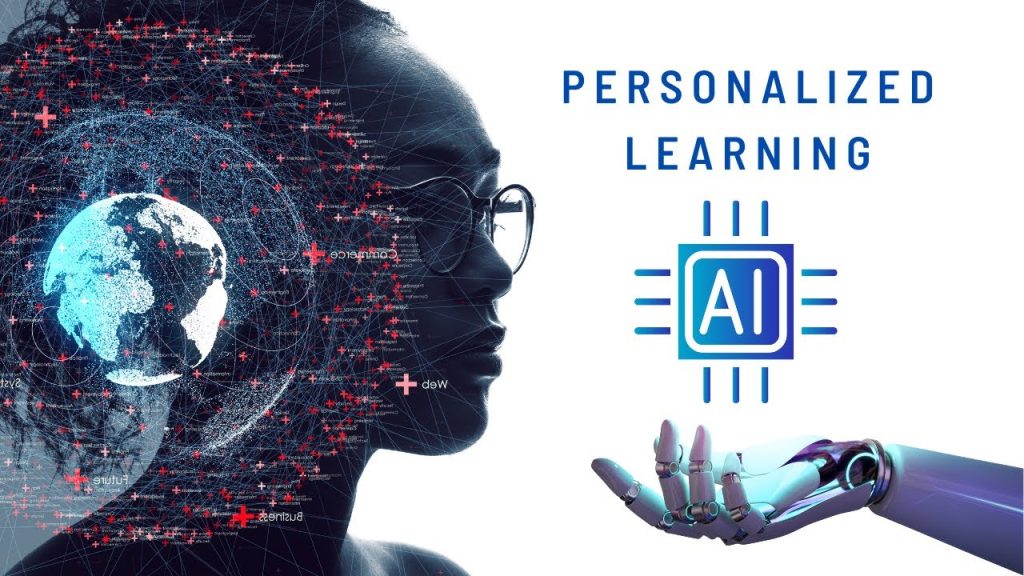
The integration of intelligent agents into educational systems is creating unprecedented opportunities for personalized learning experiences that cater to the individual needs of students. These advanced technologies harness the power of artificial intelligence to provide tailored educational content, immediate feedback, and an engaging environment for learners. The result is a revolutionary shift in how education is delivered, making learning more efficient, engaging, and effective.
Imagine a classroom environment where:
- Every student receives tailored content based on their unique learning pace. For instance, a student struggling with algebra can be presented with additional resources and practice problems specifically designed to address their weaknesses, while another who excels can delve into more advanced topics without delay.
- Immediate feedback is provided, empowering learners to adjust their strategies on the fly. Rather than waiting for a teacher’s assessment, intelligent agents can analyze a student’s responses in real time and suggest immediate adjustments, thus fostering a more dynamic learning process.
- Engagement is maximized through interactive virtual environments that adapt to each learner’s needs. Using gamification techniques, students can navigate learning quests that motivate them to progress and succeed, transforming potentially dull lessons into exciting adventures.
In the United States, the adoption of intelligent agents is gaining momentum across various educational institutions. Schools from coast to coast are recognizing the potential of these innovations to:
- Enhance student support and tutoring through chatbots that offer round-the-clock assistance, addressing questions and providing resources on demand.
- Facilitate adaptive learning pathways, allowing students to chart their educational journeys based on personal interests, strengths, and challenges.
- Enable data-driven decision-making for educators, supplying them with insights into student performance and enabling modifications to curricula at a grand scale.
The possibilities afforded by intelligent agents in the virtual learning sphere are far-reaching. Not only do they support individual growth by catering to distinct learning styles and needs, but they also foster collaboration between technology and pedagogy. This hybrid approach encourages students and educators alike to question conventional teaching methods and explore innovative techniques that could redefine learning experiences in the 21st century.
As we delve deeper into the potential of intelligent agents, it becomes evident that the future of education is not just about technology adoption; it’s fundamentally about reshaping the educational landscape into one that embraces personalization, engagement, and continuous improvement. As such, the exploration of intelligent agents in education invites educators, students, and policymakers to actively participate in this exciting evolution, making the most of the tools available to create an enriched learning environment.
DIVE DEEPER: Click here to learn more about how machine learning is transforming healthcare
Revolutionizing Learning Through Adaptive Technologies
The landscape of education is rapidly evolving, fueled by the rise of intelligent agents that are reshaping the way students interact with learning materials. These advanced AI systems not only analyze learner behavior but also anticipate individual needs, paving the way for a more personalized educational experience. In contrast to traditional, one-size-fits-all approaches, intelligent agents dynamically adapt content and methodologies, ensuring that each student receives a tailor-made learning pathway.
One of the key features of intelligent agents is their ability to collect and analyze data in real time. By monitoring interactions, progress, and response patterns, these agents can assess a student’s strengths and weaknesses. This data-driven approach not only enhances the ability of educators to meet the needs of diverse learners but also fosters a more engaging atmosphere. The use of machine learning algorithms allows for ongoing improvement, as the system continually fine-tunes its recommendations based on accumulated data and feedback.
Benefits of Intelligent Agents in Educational Settings
The implementation of intelligent agents yields numerous benefits that extend far beyond simple customization of content. Here are several key advantages that contribute to the enrichment of learning experiences:
- Enhanced Engagement and Motivation: Intelligent agents often employ gamification techniques, transforming learning materials into interactive challenges. This playful, engaging approach captures student attention and motivates them to pursue knowledge actively.
- Timely Interventions: With real-time monitoring, intelligent agents can identify when a student is struggling and initiate timely interventions. Whether suggesting additional resources or modifying learning pathways, these agents can ensure that students do not fall behind.
- Support for Diverse Learning Styles: By recognizing varied learning preferences, intelligent agents can present information in multiple formats—visual, auditory, or kinesthetic—thereby accommodating different styles and fostering a more inclusive learning environment.
- Data-Driven Insights: Educators benefit immensely from the analytical capabilities of intelligent agents. By providing insightful reports about student performance, teachers can make informed decisions regarding instructional strategies and curricula, ultimately refining their teaching effectiveness.
Moreover, the rise of intelligent agents in virtual learning environments signifies an opportunity for educational institutions to innovate and stay relevant. As educators witness the potential for personalized learning through technology, there is a growing impetus to explore how these tools can be optimally integrated into the classroom. Institutions are being called to reconsider their pedagogical frameworks, embracing the possibilities offered by AI-driven learning solutions.
In achieving a balanced integration of intelligent agents, it is essential to keep student collaboration and interaction at the forefront. Although technology plays a pivotal role, the human element—teacher guidance and peer interactions—remains crucial. As we move forward in exploring intelligent agents in education, the goal should not only be technological advancement but fostering an enriched learning experience that thrives on personalization and innovation.
| Advantage | Description |
|---|---|
| Adaptive Learning Paths | Intelligent agents can assess individual learner progress and adapt content to create tailored learning experiences. |
| Increased Engagement | Personalized virtual environments foster greater interest and motivation, thereby enhancing learner participation and retention. |
The integration of intelligent agents in educational contexts is reshaping the landscape by marrying technology with personalized learning experiences. One notable advantage is the creation of adaptive learning paths. Intelligent agents assess the progress and performance of each learner, providing tailored resources and challenges. This responsiveness ensures that students engage with materials that are neither too easy nor too difficult, promoting optimal learning conditions.Moreover, intelligent agents significantly contribute to increased engagement. By offering customized experiences, these agents encourage learners to participate actively in their education. Virtual environments can adapt in real-time to the interests and needs of the student, capturing their attention and maintaining motivation. This personalized touch leads to higher levels of satisfaction and retention, which are critical parameters for successful learning outcomes.As the demand for effective educational tools continues to rise, experimenting with these intelligent solutions can yield exciting advancements in how we approach learning in virtual environments. Exploring the synergy of technology and education will provide significant insights that merit further inquiry.
DIVE DEEPER: Click here to uncover insights on privacy and security in AI
Transforming Teacher Roles and Educational Outcomes
As intelligent agents continue to revolutionize education, they also redefine the role of teachers. No longer merely transmitters of knowledge, educators become facilitators of learning who guide students through personalized experiences enriched by technology. The presence of intelligent agents allows teachers to focus on interpersonal skills and critical thinking development, augmenting their traditional pedagogical roles with innovative strategies.
In this new landscape, intelligent agents can automate administrative tasks such as grading, scheduling, and resource allocation. For instance, platforms like Google Classroom and Canvas are increasingly integrating these intelligent systems, enabling teachers to devote more time to meaningful interactions with students. With these automated systems handling routine tasks, educators are empowered to concentrate on mentoring and encouraging the exploration of subjects that pique student interest.
Case Studies and Innovations in Intelligent Agent Integration
Several innovative educational institutions are already harnessing the power of intelligent agents to create personalized learning environments. Consider the case of Western Governors University (WGU), an entirely online institution that utilizes AI-driven tools to provide individualized learning experiences. Their intelligent agents assess learner progress and recommend tailored resources, facilitating a self-paced learning journey that ensures students receive appropriate support when needed.
Another noteworthy example is Carnegie Learning, which has developed Mathia, a mathematics software program equipped with intelligent agents that provide real-time feedback. The system adapts to students’ problem-solving processes by offering hints and next steps tailored to individual needs, effectively creating a unique learning path that boosts understanding and retention.
Data privacy and ethical considerations are paramount in discussions regarding intelligent agents in education. As these systems collect sensitive student information, large-scale consultations about data handling policies and compliance with regulations such as the Family Educational Rights and Privacy Act (FERPA) are essential. Ensuring that students and parents are informed of how their data is utilized will be crucial in building trust and widespread acceptance of intelligent agents in educational settings.
The Future of Learning: Preparing for Advanced Intelligent Agents
The trajectory of intelligent agents in education points toward an increasingly sophisticated future where their cognitive capacities may resemble human-like interactions. However, it remains vital for stakeholders—educators, administrators, and policymakers—to engage in ongoing conversations about the ethical implications and social responsibilities tied to these advanced technologies. As we progress, incorporating features such as emotional intelligence and empathic designs into intelligent agents will enhance their effectiveness in addressing students’ emotional and social needs.
Additionally, pilot programs that initiate teacher training on the effective use of intelligent agents can provide valuable insights. Empowering educators with the skills to leverage these technologies proactively will ensure they remain integral to the learning experience rather than disengaged from the shift occurring within educational paradigms.
Ultimately, the infusion of intelligent agents in education represents an exciting journey towards personalized learning experiences. By integrating technology mindfully, educational institutions can forge pathways for lifelong learners equipped with the tools necessary to thrive in an increasingly complex world.
DISCOVER MORE: Click here to learn about the evolution of AI data processing
Charting the Future of Intelligent Agents in Education
The integration of intelligent agents in education heralds a transformative shift that places personalization at the forefront of learning experiences. By automating administrative tasks and leveraging data-driven insights, these agents empower educators to focus on fostering critical thinking, creativity, and interpersonal skills among students. The case studies of institutions such as Western Governors University and Carnegie Learning illustrate the immense potential for tailored learning pathways that can cater to the unique needs of each learner.
However, with technological advancements come significant responsibilities. Addressing data privacy concerns and ensuring compliance with regulations like the Family Educational Rights and Privacy Act (FERPA) are essential to building trust among students and parents. As intelligent agents evolve, stakeholders must engage in ongoing ethical discussions to navigate the complexities of AI integration, ensuring that these systems are not only effective but also responsible and inclusive.
Looking ahead, the promise of intelligent agents extending beyond mere academic support presents an exciting frontier. As they become increasingly sophisticated in their interactions, the potential to incorporate emotional intelligence and empathic designs will enhance their ability to meet the emotional and social needs of students. By focusing on proactive teacher training and pilot programs that advocate for these technologies, we can ensure that educators remain vital players in this evolving educational landscape.
In conclusion, the journey toward personalized learning experiences through intelligent agents is just beginning. By harnessing this technology mindfully, we can equip learners for a future that demands adaptability and resilience, thus creating a dynamic educational ecosystem that responds to the challenges and opportunities of an ever-changing world.