
Transforming Industrial Landscapes through AI Innovation
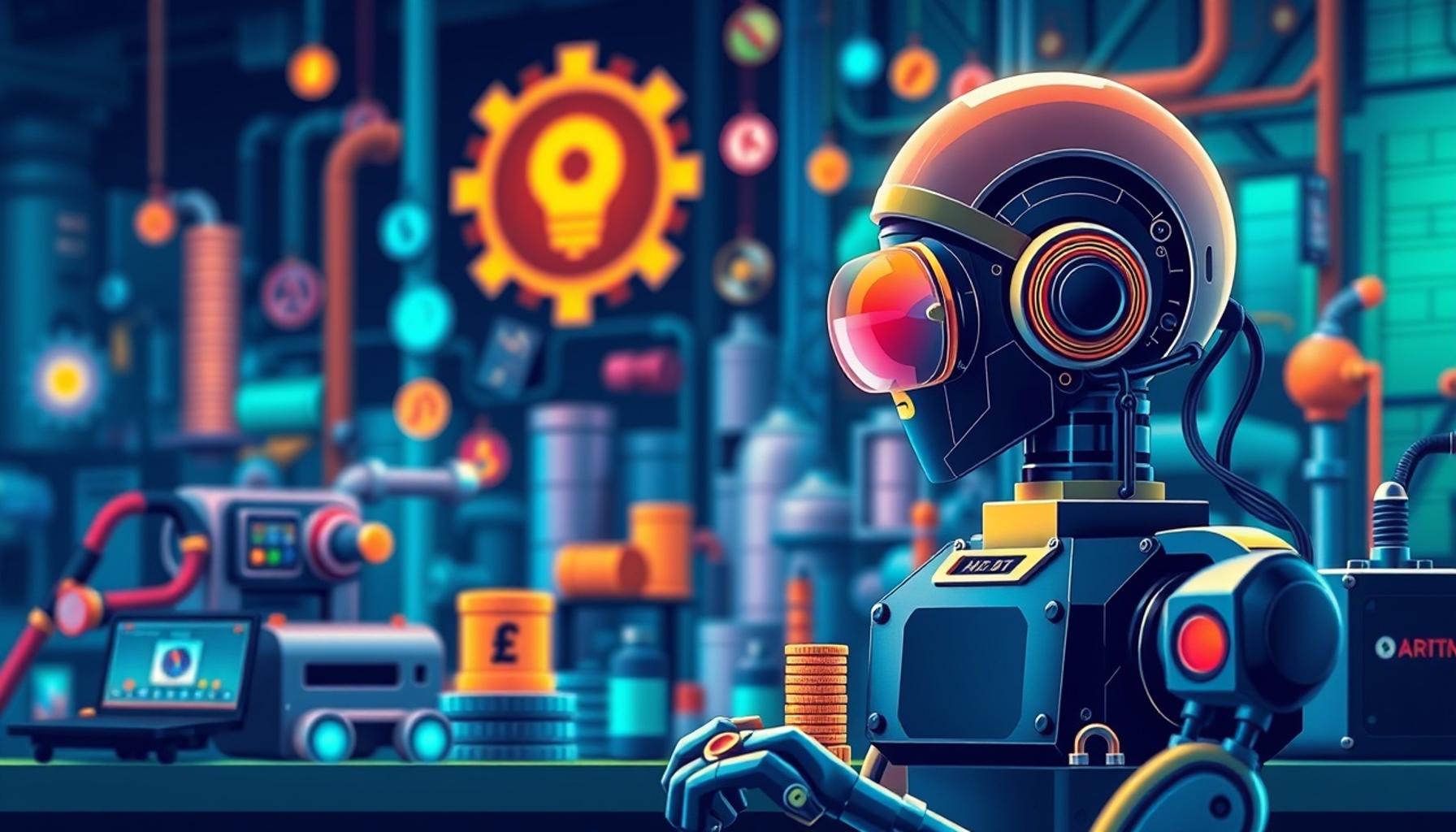
The industrial sectors are witnessing a remarkable transformation spurred by the integration of artificial intelligence (AI). No longer just tools of production, machines have increasingly become autonomous decision-makers, elevating their roles to pivotal players in manufacturing and services alike. This paradigm shift is ushering in a new era of productivity and efficiency that is proving to be a game changer for industries across America.
Several critical elements are driving this industrial AI revolution:
- Data Analysis: AI technologies excel at processing and analyzing vast quantities of data in real-time, uncovering patterns and insights that would otherwise slip past human analysts. For instance, in the automotive industry, AI algorithms analyze customer feedback and performance data, enhancing vehicle designs and features based on actual user experiences.
- Predictive Maintenance: Using machine learning, AI can predict equipment failures before they occur. For example, in manufacturing plants, sensors embedded in machinery can relay information regarding performance metrics to AI systems, enabling them to forecast when a part might fail, thus avoiding costly unplanned downtimes.
- Autonomous Robotics: Modern robots, equipped with AI, can learn to navigate and interact within complex environments. In warehouses, Amazon is deploying robots that autonomously pick, move, and organize products, significantly speeding up the fulfillment process while optimizing space utilization.
As industries embrace these groundbreaking technologies, the effects are monumental. Automation and AI are not merely supplementing existing operations; they are completely redefining the way businesses function.
In the manufacturing domain, this transformation manifests as:
- Improved production speeds due to streamlined processes and reduced cycle times.
- Enhanced quality control enabled through continuous monitoring and real-time feedback loops, which leads to fewer defects.
- A significant reduction in human error and labor costs, which in turn allows for reinvestment into other aspects of production.
These advancements pose an intriguing question: What are the limits of machines that learn? The ongoing narrative of industrial automation, coupled with AI’s exponential growth, opens up a plethora of possibilities warranting further investigation. From creating entirely new job categories focused on managing AI systems to reshaping traditional roles, the implications for the future of work in America are significant.
As we delve deeper into the mechanics of how machines learn to make decisions within the industrial landscape, it becomes essential to consider not only the technological dimensions but also the socio-economic ramifications of this shift. The relationship between humans and machines is evolving, paving the way for a future that melds human ingenuity with machine efficiency.
Join us in exploring the intricate web of AI and industrial automation and what it means for America’s workforce and economy moving forward.
DISCOVER MORE: Click here to learn about the impact of intelligent agents on business decisions
The Mechanisms Behind Machine Learning in Industries
To truly appreciate the impact of industrial automation and artificial intelligence, it is imperative to understand how machines are learning to make decisions. The foundation of this transformation lies in sophisticated algorithms and advanced machine learning models that enable machines to analyze data, recognize patterns, and autonomously make informed decisions.
One of the cornerstones of this technological shift is the use of neural networks, which are computational systems inspired by the human brain. These networks allow machines to process large datasets with complex interdependencies. In manufacturing, for instance, neural networks can be used to assess supply chain data, predict inventory needs, and optimize stock levels, ensuring resources are utilized efficiently and waste is minimized. This capability not only results in cost savings but also enhances product availability for consumers.
Moreover, the integration of Internet of Things (IoT) devices within manufacturing processes allows for unprecedented levels of data collection. Machines equipped with sensors continuously gather information about production output, equipment performance, and environmental factors. This real-time data is fed into AI systems that can learn from past events to improve future operations. For example, in the consumer electronics sector, companies like Apple and Samsung are leveraging AI to forecast production timelines based on consumer demand trends, thereby aligning their manufacturing schedules with market realities.
In addition to efficient data processing, AI systems are increasingly employing reinforcement learning techniques. This approach mimics learning through trial and error, teaching machines to navigate complex decision-making environments. A notable example is the use of reinforcement learning in robotic process automation, where robots learn to complete repetitive tasks—like assembling products or managing logistics—by continually refining their actions based on feedback from their performances.
As these technologies evolve, a host of benefits arises:
- Enhanced Decision-Making: AI improves the speed and accuracy of decisions, allowing businesses to respond to market changes swiftly.
- Customization: With AI’s ability to analyze customer preferences, manufacturers can create personalized products that cater to specific consumer desires, boosting customer satisfaction and loyalty.
- Increased Safety: Autonomous systems can carry out dangerous tasks, significantly reducing workplace accidents and enhancing employee welfare.
However, the rise of machines capable of learning to make decisions also invites numerous challenges. As organizations become more reliant on AI technologies, questions surrounding job displacement, ethical considerations, and the need for skilled labor become increasingly pertinent. These developments necessitate a balanced approach to workforce management and retraining efforts to bridge the skills gap. For instance, traditional roles may evolve, creating a need for humans to work alongside machines in more collaborative and strategic capacities.
The journey into the world of industrial automation and AI decision-making is unfolding rapidly. As industries harness these technologies, the implications stretch far beyond productivity improvements, laying the groundwork for a future where human and machine synergy leads to unprecedented innovation. Understanding the mechanics of how machines learn—and the effect this has on various sectors—will undoubtedly be critical for businesses aiming to thrive in this dynamic landscape.
Industrial Automation and AI: A Quantum Leap in Decision-Making
As we delve deeper into the fabric of industrial automation, it is imperative to recognize the transformative power of artificial intelligence (AI) in enabling machines to make decisions that once required human intervention. The synergy between AI and machinery is Revolutionizing traditional manufacturing processes and supply chain management, creating an ecosystem driven by efficiency, accuracy, and adaptability.
Enhancing Operational Efficiency
One of the most striking advantages of AI-driven automation is its ability to optimize operations to unprecedented levels. Machines equipped with machine learning algorithms can process vast amounts of data in real-time, allowing them to recognize patterns and predict outcomes. This capability facilitates predictive maintenance, reducing downtime and saving costs associated with unexpected equipment failures. Furthermore, AI enhances inventory management by leveraging data analytics to forecast demand and streamline supply chains, ensuring that resources are utilized effectively and efficiently.
Boosting Quality Control
In an era where quality assurance is paramount, AI-assisted systems are emerging as key players in maintaining product standards. These intelligent machines can perform complex inspections with heightened precision, detecting defects and anomalies far beyond human capabilities. Utilizing computer vision techniques, they analyze products at every production stage, significantly reducing the rate of defective goods reaching consumers. This not only safeguards brand reputation but also fosters customer loyalty through consistent quality.
| Category | Key Features |
|---|---|
| Operational Efficiency | Real-time data processing, pattern recognition, predictive maintenance. |
| Quality Control | AI-assisted inspections, defect detection, consistency assurance. |
Through AI, industries are not only achieving operational excellence but are also reshaping their business models to be more responsive and customer-focused. As we continue exploring these advancements, the intersection of intelligent machines and industry will pave the way for innovations we have yet to imagine. The future is undoubtedly bright, with AI at its helm, guiding machines to make smarter decisions that enhance productivity and user satisfaction.
DISCOVER MORE: Click here to learn about AI’s impact on urban mobility
Challenges and Innovations in Industrial AI
While the integration of artificial intelligence in industrial automation heralds substantial advancements, it also brings forth a series of challenges that industries must navigate. One of the most pressing concerns is the management of data privacy and security. As AI systems proliferate and rely on vast amounts of data—much of it sensitive—organizations must ensure rigorous measures are in place to safeguard this information from cyber threats. High-profile breaches have underscored the need for companies to invest in robust cybersecurity protocols that protect not only their proprietary data but also the privacy of their customers.
In addition, the interoperability of different systems and technologies presents another hurdle. Many manufacturers deploy varied machines from different vendors, leading to challenges in compatibility and seamless data exchange. The rise of standardized protocols and platforms, however, is paving the way for better integration of diverse systems. By adopting these standards, companies can foster improved communication between machines, enhancing overall efficiency and effectiveness.
Moreover, the deployment of AI in industrial settings necessitates a culture shift. Workers must adapt to collaborating with advanced technologies, often requiring deep learning and familiarity with new software tools. As a result, industries are increasingly focusing on upskilling and reskilling programs that empower employees to harness AI technologies. For example, General Electric has initiated training programs to help their workforce transition to roles that incorporate AI-driven tools, ensuring that human capital remains a vital asset in the age of automation.
Transformative Applications of AI Across Industries
Various sectors are already reaping the benefits of AI decision-making capabilities by implementing innovative applications tailored to their unique needs. In the automotive industry, companies like Ford and Tesla leverage AI to enhance manufacturing processes, employing computer vision to improve quality control during assembly. This technology not only detects defects faster than the human eye but also ensures that only top-notch products reach consumers.
In the agricultural sector, AI-driven solutions are transforming traditional farming practices. Precision agriculture, utilizing AI and machine learning algorithms, allows farmers to monitor soil conditions, weather patterns, and crop health to make informed decisions on planting, watering, and harvesting. This approach not only maximizes yields but also minimizes the use of resources, contributing to more sustainable farming practices.
Moreover, the healthcare sector is witnessing revolutionary changes through the adoption of AI technologies. Hospitals and research institutions are employing machine learning algorithms to analyze patient data and predict outcomes, ultimately enhancing treatment plans and resource allocation. Telemedicine, powered by AI, has also gained significant traction, facilitating remote consultations and improving access to healthcare services, especially in underserved communities.
The Future of Human-Machine Collaboration
As AI technologies continue to evolve, the relationship between human workers and machines stands to transform dramatically. The concept of cobots—collaborative robots designed to work alongside humans—is becoming increasingly popular in manufacturing environments. These robots can take on repetitive, strenuous tasks, allowing human workers to focus on complex problem-solving and creative tasks. With advances in AI, cobots are equipped with enhanced perception and decision-making capabilities, making them valuable allies on the production floor.
The potential for improved collaboration between humans and machines opens a myriad of opportunities for innovation across industries. As companies capitalize on this synergy, they not only drive operational excellence but also foster an environment conducive to continuous improvement and adaptability in an ever-changing global market. Understanding these dynamics is critical for businesses that aim to leverage AI to its fullest potential in industrial automation.
DIVE DEEPER: Click here to learn more
Conclusion: The Path Forward in Industrial Automation and AI
The intersection of industrial automation and artificial intelligence is poised to redefine not only how businesses operate but also the very nature of work itself. As we have explored, AI technologies are already making significant strides across various sectors—from enhancing manufacturing processes to increasing agricultural efficiency and transforming healthcare delivery. These innovations reveal a future where machines can make data-driven decisions, thus complementing human skills and expertise.
However, the journey towards fully realizing the potential of AI in industrial automation is not without obstacles. Challenges such as data privacy, cybersecurity, and system interoperability must be addressed with diligence and foresight. Moreover, as organizations strive to create a workforce adept in AI technologies, the crucial importance of upskilling and reskilling cannot be overstated. By investing in their employees’ education, industries can ensure a collaborative environment where both human intelligence and artificial capability flourish together.
Looking ahead, the future will increasingly hinge on our ability to foster effective human-machine collaboration. The emergence of cobots highlights a pivotal shift in industrial practices, showcasing the potential for enhanced productivity and operational agility. As businesses navigate this dynamic landscape, continuous exploration of AI’s capabilities will undoubtedly unlock new opportunities for innovation.
In conclusion, the integration of AI into industrial automation is not merely a technological evolution; it is a transformative force reshaping industries and workforce landscapes. The key to harnessing this potential lies in our willingness to adapt, learn, and innovate—a journey that promises to redefine the future of work and productivity on a global scale.