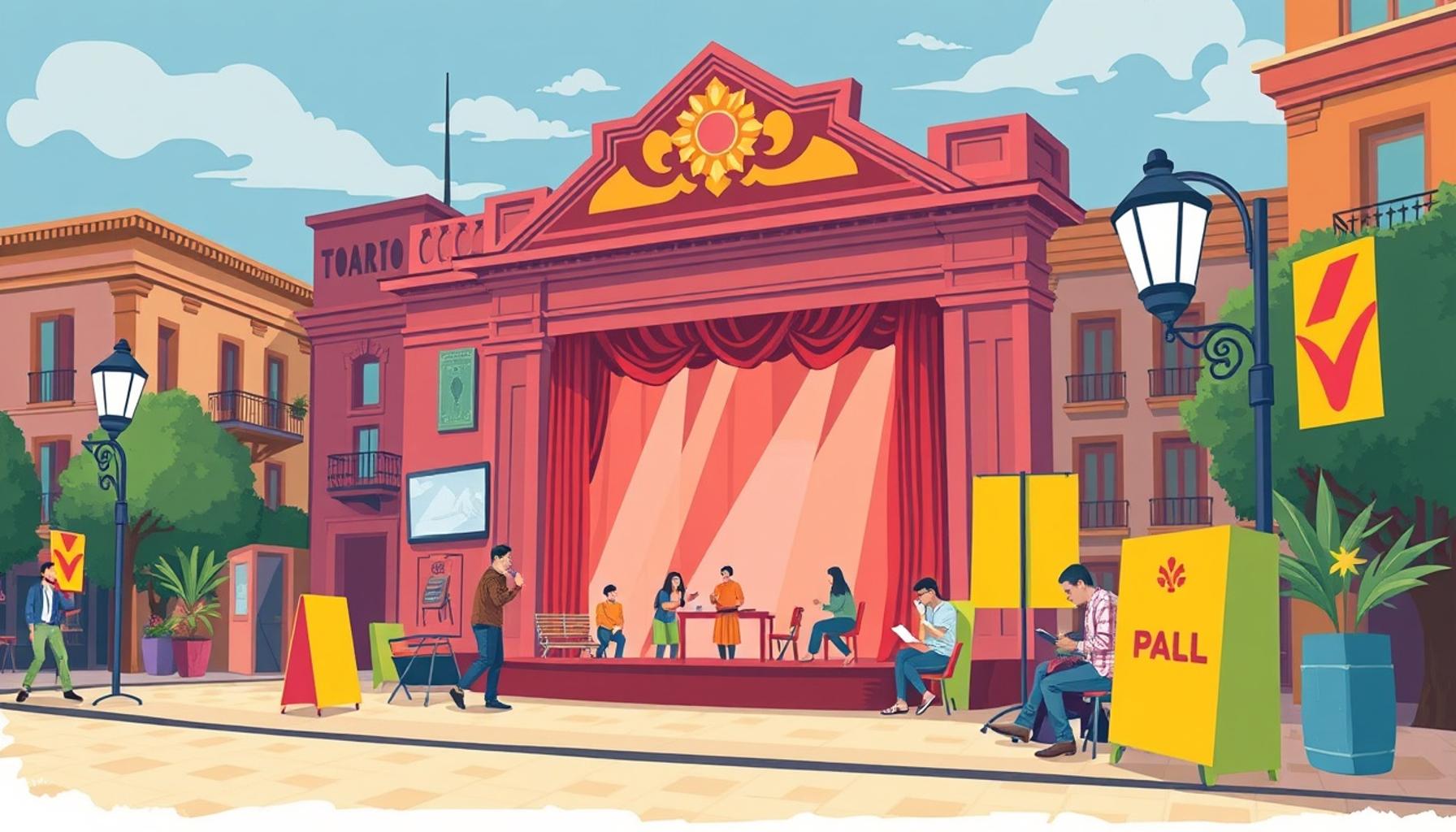
Exploring the Intersection of Dance and Theater: Creating Multisensory Experiences

Exploring the Fusion of Dance and Theater
The combination of dance and theater offers an enchanting experience that transcends mere performance. This fusion allows artists to explore complex themes and emotions through the fluidity of movement and the intricacies of storytelling. Dedicated practitioners of both disciplines have long recognized that each can amplify the other, creating not just performances, but truly transformative experiences for audiences.
Historically, different forms of artistic collaboration have emerged, significantly influencing both dance and theatrical performance. For instance, musicals such as “West Side Story” seamlessly integrate dance movements into their narratives, using choreography not only as an aesthetic feature but also as a vehicle for expressing characters’ emotions and driving the storyline forward. Similarly, the evolution of dance theater, as seen in works by companies like Pina Bausch’s Tanztheater Wuppertal, exemplifies this commitment to narrative through physical expression, blurring the lines between drama and dance.
Physical theater presents another fascinating domain where storytellers focus heavily on non-verbal communication, often employing exaggerated gestures and expressive movements. Companies such as Complicité and The Wooster Group have perfected this approach, creating pieces that resonate deeply with audiences even without spoken dialogue, drawing them into the emotional landscape of the characters depicted.
Modern Innovations and Influences
In modern contexts, the interplay of technology and the arts has catalyzed further experiments at the intersection of dance and theater. The introduction of multimedia elements—like video projections and innovative sound environments—has transformed traditional performances into multi-layered experiences. For example, immersive productions in New York City often utilize projections that change throughout the performance, allowing the story to evolve visually as well as narratively.
Furthermore, the advent of interactive experiences invites the audience to actively engage with performers, as seen in productions like “Sleep No More.” Here, attendees move through various spaces, influencing the narrative’s direction and fostering a unique connection with the performers. This level of interaction fosters a sense of community and shared experience that traditional theater might not provide.
As artists embrace cross-cultural influences, we witness the blending of diverse dance styles with various theatrical traditions, enriching the storytelling landscape. For instance, the fusion of hip-hop, ballet, and traditional African dance offers a fresh take on narratives, appealing to diverse audiences and encouraging a broader appreciation of the arts.
Ultimately, the marriage of dance and theater leads us to profound reflections on society, identity, and human emotions. By delving into the world of multisensory experiences cultivated through this vibrant intersection, we can better understand how powerful narratives unfold—inviting us to engage, reflect, and, most importantly, feel as we immerse ourselves in these artistic realms.
DIVE DEEPER: Click here to learn more
Unleashing the Power of Movement and Storytelling
The harmonious blend of dance and theater not only captivates audiences but also serves as a profound medium for artistic expression. By intertwining the visceral power of movement with the emotional depth of storytelling, creators are able to craft unforgettable multisensory experiences that resonate deeply with viewers. This intersection allows the audience to engage on multiple levels, absorbing narratives not just through words but through body language, rhythm, and emotion.
One of the most striking features of this combination is the way it enhances emotional communication. The art of dance conveys feelings that words often struggle to express. Choreographers like Alvin Ailey have illustrated this beautifully; his work often encapsulates the African American experience, imparting stories of struggle, hope, and joy through the sheer fluidity of movement. Ailey’s signature piece, “Revelations,” serves not only as a performance but also as a cultural documentary, merging dance and theater to reflect the emotional landscape of its performers. Through this lens, practitioners of dance theater illustrate how physical expression can evoke empathy and connection among audience members.
There are several aspects that underscore the significance of this fusion:
- Emotional Resonance: The interplay of movement and narrative creates complex emotional landscapes, allowing the audience to experience the characters’ journeys viscerally.
- Cultural Commentary: Artists harness this fusion to address pressing social themes. Productions often weave in cultural narratives, shedding light on issues such as identity, race, and gender.
- Innovative Choreography as Text: Movement can act as a text in its own right. Choreographers craft sequences that complement or contrast the spoken word, deepening the thematic layers of a performance.
- Physicality in Character Development: Dance can reflect a character’s internal conflicts or transformations, offering an additional dimension to their portrayal.
Moreover, contemporary directors and choreographers are leveraging new methodologies to create stunning multisensory experiences. Augmented reality and virtual reality are being incorporated into performances, allowing audiences to immerse themselves fully in the artistic world. Companies like The Royal Ballet are experimenting with interactive projections that create dynamic backdrops, contributing to the narrative in real-time. This evolution represents a significant shift in how live performance can be perceived, blurring the barriers between reality and artistry.
The shift toward multisensory performances reflects a broader trend in the arts, where audience engagement has become paramount. As viewers seek more interactive ways to connect with performances, the integration of visual and auditory stimuli, alongside movement, allows them to form personal connections with the art. The immersive phenomenon has particularly gained traction in urban landscapes across the United States, where experimental theater, such as the immersive experiences in places like San Francisco’s 1000 Hands theater space, continues to redefine audience participation.
In understanding these aspects, we not only appreciate the artistic merit of dance and theater but also explore how their intersection creates a richer understanding of human experiences, ultimately prompting audiences to introspect and engage with the narratives portrayed.
| Advantages | Key Features |
|---|---|
| Enhanced Audience Engagement | Incorporating different sensory elements such as sound, touch, and visuals captivates the audience on a deeper level. |
| Cultural Exchange and Diversity | Integrating diverse dance styles and theatrical forms emphasizes cultural narratives and fosters mutual understanding. |
| Innovative Artistry | The merging of dance and theater opens pathways for creativity, pushing traditional boundaries and expanding artistic horizons. |
| Therapeutic Benefits | Experiencing multisensory performances can provide emotional release and healing, enhancing well-being. |
Delving deeper into multisensory experiences, this fusion of dance and theater not only happens to enhance artistry but cultivates a rich field of exploration for both artists and audiences alike. One of the most distinctive advantages lies in the enhanced audience engagement achieved by integrating auditory elements, tactile interactions, and vibrant visuals. This synergistic approach ensures that performances resonate emotionally and cognitively with spectators, inviting them to participate actively rather than observing passively.As cultures intertwine through cultural exchange and diversity, the confluence of dance and theater engenders an enriching dialogue that showcases hybrid forms and unique narratives. These performances elucidate the universal stories that bind us while respecting regional distinctiveness.Innovation flourishes in this arena, as innovative artistry liberated from traditional confines spurs experimentation. The quest for originality drives creators to integrate diverse mediums and artistic practices, paving the way for groundbreaking expressions.Lastly, the therapeutic advantages of multisensory performances cannot be underestimated. They offer healing avenues through which individuals can process emotions, fostering a sense of connection and community among participants, proving that art indeed has the power to heal.
DIVE DEEPER: Click here to discover more
Innovative Collaborations and Interdisciplinary Approaches
As the landscape of performing arts evolves, the synergy between dance and theater invites exciting new collaborations that cross traditional boundaries. Artists from various disciplines are increasingly joining forces to create dynamic works that push the envelope of what performance can be. This interdisciplinary approach not only widens the scope of storytelling but also offers unique visual and auditory experiences that enhance audience engagement.
One prominent example is the collaboration between choreographers and visual artists. Renowned dancer and choreographer Meredith Monk has consistently integrated elements of theater, dance, and music to create immersive performances that blur the lines between genres. Monk’s innovative work often involves elaborate set designs and intricate soundscapes, which engage the senses and transport the audience into new realms of perception. Through her unique artistry, Monk exemplifies how multisensory experiences can ignite the imagination and challenge conventional storytelling methods.
Moreover, technology plays a crucial role in this intersection. With the advent of performance-augmenting technologies, creators now have the ability to manipulate light, sound, and even digital media to craft a layered spectacle. The San Francisco-based company, Oregon Shakespeare Festival, is one such organization pioneering this integration, utilizing state-of-the-art projection mapping to enhance their theatrical productions. By providing alternative visual narratives that accompany live performances, audiences can enjoy a richer context that layers upon the dancers’ movements and the actors’ spoken lines.
In addition, the incorporation of live music into dance theater performances significantly heightens the emotional experience. Live orchestras or bands bring an element of spontaneity, allowing the performers to react to musical cues in real time. This dynamic interaction amplifies tension and excitement, enriching the overall storytelling. Companies like Dance Theater of Harlem have proven the effectiveness of live accompaniment in their performances, where the symbiosis between dancers and musicians transforms conventional stage performances into vibrant experiences that leave a lasting impression.
The concept of audience participation also intersects uniquely with dance and theater, as creators can deliberately involve viewers in performances to heighten emotional investment. Productions such as Sleep No More in New York City allow guests to walk freely through a curated environment that offers multiple perspectives of the narrative. As audiences navigate the space, they not only witness movements but also actively engage with characters, immersing themselves in the emotional fabric of the stories being told.
This increasingly participatory model traces back to ancient traditions, demonstrating that immersing audiences in the narrative is a time-honored method of storytelling. Whether by physically moving through the performance space or by engaging in dialogue with the performers, attendees are prompted to reflect on their own experiences and emotions, forging individual connections with the thematic elements presented.
In exploring these innovative approaches, the intersection of dance and theater reveals a transformative power capable of eliciting profound experiences. By embracing collaboration, technology, and audience engagement, artists continue to redefine the essential elements of both art forms, offering a fresh perspective that invites exploration and dialogue around the narratives we share.
DISCOVER MORE: Click here to learn how the arts are making a difference</
Conclusion: The Future of Multisensory Artistry
As we delve deeper into the intersection of dance and theater, it becomes evident that the integration of various artistic disciplines creates an alluring realm that transcends traditional performance boundaries. This ongoing evolution not only enriches the narratives being told but also invites diverse audiences to connect with the art in a profound and personal manner.
The innovative collaborations showcased by artists like Meredith Monk and organizations such as the Oregon Shakespeare Festival highlight the potential for transformative experiences. By harnessing the power of technology, live music, and audience participation, performers are crafting immersive environments that stimulate the senses and provoke emotional responses. This shift towards a more inclusive, multisensory approach encourages audiences to become active participants in the unfolding narrative, blurring the lines between observer and creator.
Furthermore, the trend of interactivity within performances reflects a broader cultural movement towards engagement and community. Productions like Sleep No More are redefining how stories are shared, motivating viewers to reflect on their own experiences within the context of the drama unfolding around them. This participatory model not only honors the heritage of ancient storytelling traditions but also positions art as a living, breathing dialogue between performers and audience members.
In conclusion, the intersection of dance and theater opens up limitless potential for artistic expression. As creators continue to explore and push the boundaries of these forms, they invite audiences to discover new dimensions of storytelling. With each bold initiative, the performing arts stand on the brink of transformation, offering vibrant multisensory experiences that resonate deeply and broadly, enriching our cultural landscape now and in the future.
Related posts:
The Influence of Performance Arts on Mental Health: Therapy through Creative Expression
The Renaissance of Street Theatre: How Performative Arts are Redefining Public Spaces in the Modern ...
Performing Arts and Sustainability: How Groups Are Promoting Environmental Awareness Through Perform...
Community Performances: The Impact of the Arts on Social Cohesion and Local Empowerment
The Evolution of Performing Arts: How New Technologies Are Transforming Theatre
The Interaction between Performing Arts and Digital Technology: New Forms of Engagement and Creation

Beatriz Johnson is a seasoned creative enthusiast and writer with a passion for simplifying the intricacies of artistic hobbies and DIY projects. With over a decade of experience exploring various creative fields, she specializes in topics like crafting, painting, and innovative DIY techniques. Through her work, Beatriz inspires readers to unleash their creativity, try new artistic endeavors, and stay inspired in the ever-evolving world of creative hobbies.