Beauty Rituals Around the World: Traditions and Innovations
An Insight into Beauty Rituals Around the World
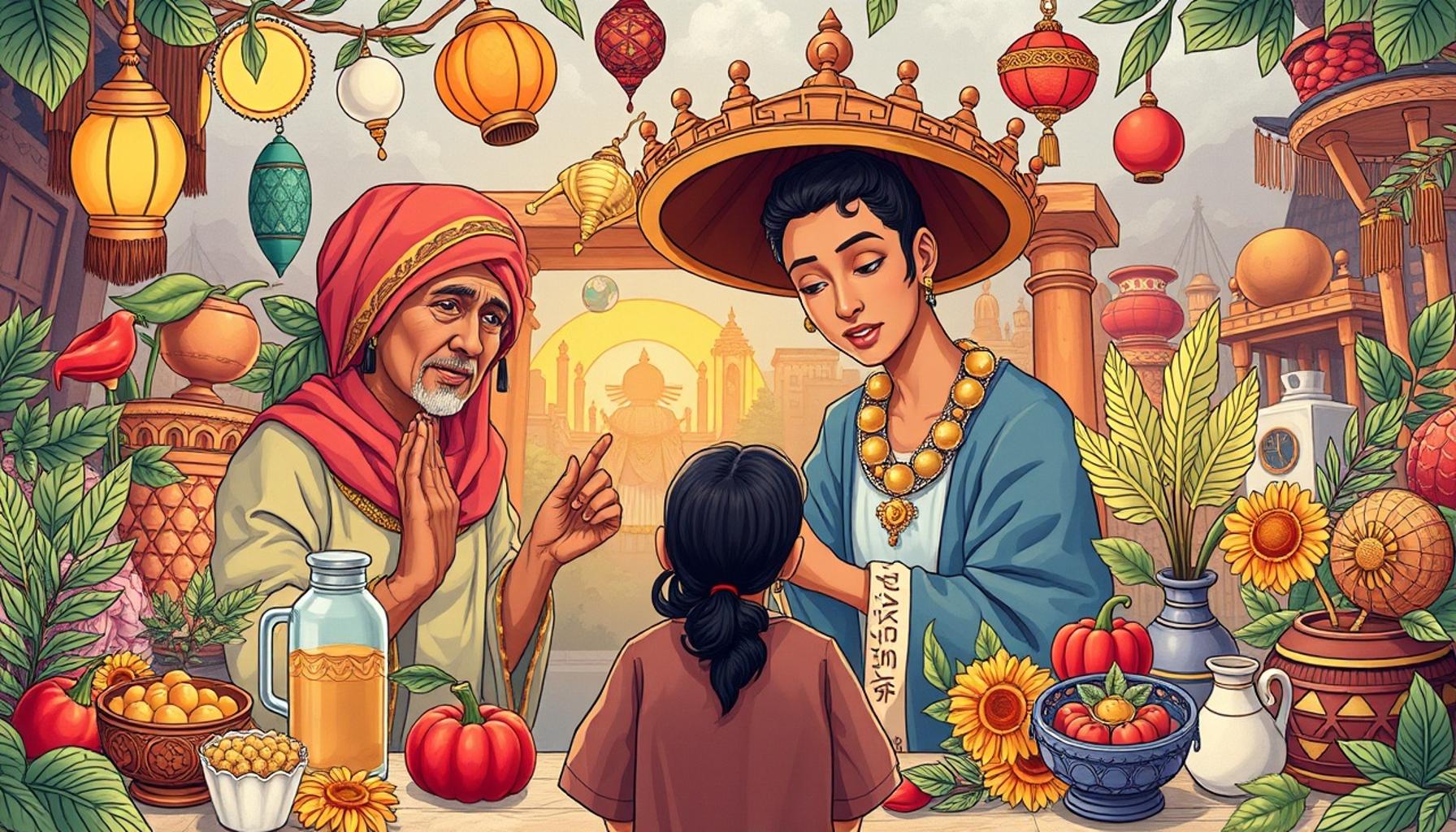
All over the world, beauty rituals create a rich tapestry that captures the essence of various cultures, intertwining elements of history, nature, and human innovation. These rituals often serve a dual purpose: enhancing physical appearance while maintaining a deep connection to heritage and personal identity. Whether rooted in ancient traditions or contemporary practices, beauty rituals offer fascinating insights into societal values and aspirations.
Natural Ingredients
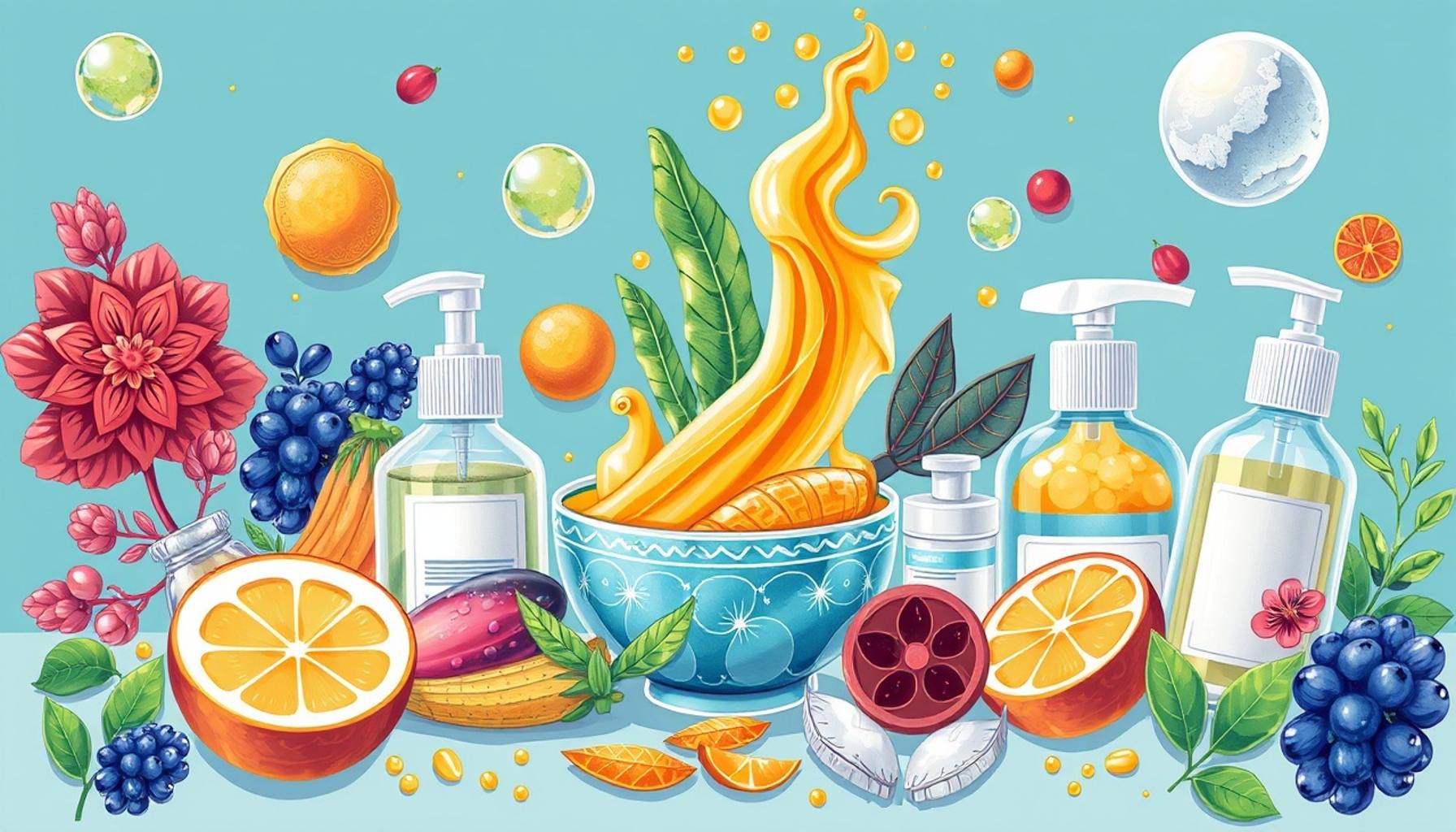
Natural ingredients play an essential role in many beauty routines globally, emphasizing sustainability and the nurturing qualities found in nature. For example, in India, turmeric is celebrated for its anti-inflammatory properties and has been used for centuries in skin care, particularly during weddings to create a radiant glow. Similarly, honey is prized across cultures, from the use of Manuka honey in New Zealand for its healing benefits, to traditional Japanese beauty rituals that harness its moisturizing properties. This reliance on natural resources not only highlights a commitment to organic practices but also fosters a sense of cultural pride and awareness about health and well-being.
Historic Techniques
Many historic techniques have been passed down through generations, showcasing the artistry and scientific knowledge of previous cultures. The African tribal practice of body painting, using natural pigments, speaks to both aesthetic beauty and social identity. In Japan, the art of “Geisha” embodies a meticulous beauty routine that includes the application of rice powder and meticulous eyebrow shaping, reflecting a sophisticated understanding of beauty that merges art with tradition. Through these rituals, we see how beauty is not only about external appearances but also about cultural storytelling and expressing communal identity.
Modern Innovations
Today, there is a growing trend of incorporating modern innovations with these time-honored practices. For instance, Korean beauty products, which have surged in popularity in recent years, combine traditional ingredients like ginseng with cutting-edge technology, creating products like sheet masks that deliver immediate hydration. This fusion of the old and new marks a transformative shift in how beauty consumers engage with both ritual and routine.
Ultimately, these beauty practices offer much more than aesthetic enhancement; they foster connections among individuals and serve as a reflection of individual and collective identities. These rituals illuminate the diverse influences that shape perceptions of beauty across cultures, encouraging a deeper exploration into the rich narratives surrounding these practices. As we continue to share and learn from each other’s rituals, we collectively redefine beauty, infusing it with tradition, innovation, and profound meaning.
Join us in uncovering the captivating customs, techniques, and innovations that characterize beauty rituals worldwide, and explore how these practices inspire the ever-evolving landscape of beauty today.
DISCOVER MORE: Click here to delve deeper
Embracing Nature: The Power of Natural Ingredients
Across the globe, beauty rituals often take inspiration from the earth’s bounty, leveraging natural ingredients that not only enhance beauty but also encourage sustainability. This mindful approach places value on health and environmental consciousness, showcasing a unique intersection between beauty and eco-friendliness. In various cultures, local plants and natural elements serve as the foundation for diverse practices. Consider the following examples:
- Moringa Oil in Africa: Known locally as the “tree of life,” moringa oil is rich in antioxidants and essential fatty acids, making it a staple in skin and hair care regimens across numerous African nations.
- Aloe Vera in Mexico: Revered for its soothing and hydrating properties, aloe vera is frequently used by Mexicans for healing sunburns and moisturizing the skin. Its accessibility in tropical climates has made it a beloved beauty staple.
- Coconut Oil in the Philippines: Traditionally used in Filipino households, coconut oil serves as a moisturizer, hair conditioner, and even a make-up remover, blending beauty with practicality.
This emphasis on natural ingredients not only supports local ecosystems but also promotes a cultural identity tethered to traditional practices. As consumers globally become more inclined to seek out clean beauty products, the rituals tied to these natural components are being revitalized and incorporated into modern beauty routines.
Heritage Meets Holistic Approaches
In many cultures, the connection to beauty extends beyond the surface level, intertwining with spiritual and holistic practices. In China, Traditional Chinese Medicine (TCM) acknowledges beauty as an element of overall health. The use of herbal infusions and acupuncture serves dual purposes: enhancing beauty while aligning the body’s energies. Treatments like gua sha and facial acupressure illustrate how ancient wisdom is harnessed for rejuvenation.
Similarly, in Ayurvedic traditions from India, beauty rituals such as “abhyanga” (self-massage with herbal oils) not only nourish the skin but are also believed to balance the mind and body through therapeutic touch. This holistic perspective highlights the importance of emotional well-being as integral to physical beauty.
Rediscovering Ancient Practices in Modern Contexts
As the world becomes increasingly interconnected, a revival of ancient practices in modern beauty routines can be observed. The spread of traditional beauty secrets through social media platforms like Instagram and TikTok allows for cross-cultural exchange, where beauty aficionados share their unique rituals and tips. For example, the global fascination with the “double cleansing” technique from Korea demonstrates how simple a traditional practice can be to adapt in a fast-paced, contemporary lifestyle.
The blending of innovation with tradition provides consumers with options that reflect their personal values while allowing them to embrace the rich history behind these practices. The growing interest in artisanal beauty products made from organically sourced ingredients underscores a desire for transparency and mindfulness in beauty consumption.
Through these explorations, individuals not only expand their beauty regiment but also nurture a connection to the broader world, engaging in a dialogue that celebrates diversity and innovation in beauty rituals. The journey into the heart of beauty across cultures reveals a continuous evolution, inviting all to partake in the story of beauty that transcends borders.
Exploration of Global Beauty Rituals
As we delve deeper into the captivating realm of beauty rituals around the world, a tapestry of traditions interwoven with cultural significance emerges. From the ancient practices of the East to the innovations of the West, each region has its unique approach to beauty that transcends mere aesthetics. These rituals often reflect the natural resources available and the historical significance tied to them.In Asia, for example, Japanese skin care prioritizes minimalism and the use of powerful natural ingredients like rice water and green tea. This not only enhances the skin’s vitality but also connects individuals to their cultural heritage. Similarly, the Korean beauty industry has revolutionized routines with its 10-step process, emphasizing hydration and prevention. This focus on meticulous care has spurred worldwide interest, leading many to adopt these practices, thus blending tradition with modern convenience.In contrast, traditional African beauty rituals often utilize local botanicals and are passed down through generations. Use of shea butter for moisturization and the ritualistic application of natural dyes for skin adornment exemplifies how beauty is intricately linked to identity and community.The Middle Eastern influence offers an intriguing perspective as well, with practices such as the use of henna for body art, celebrated not just for its aesthetic appeal but also for its role in cultural ceremonies. These enriching customs highlight the importance of community, signifying transitions and celebrations throughout life.Traditions are continuously evolving; innovations such as sustainably sourced beauty products are now resonating globally. The infusion of technology in beauty rituals, like virtual try-on tools and biotechnology in skincare formulation, are blending age-old wisdom with cutting-edge advancements. The synthesis of these elements personifies a dynamic beauty industry that is poised to grow and adapt continuously. In this ever-evolving landscape, understanding these rituals is not just about embracing beauty but also appreciating the stories, cultures, and innovations behind them.
| Category | Description |
|---|---|
| Cultural Practices | Rituals that reflect cultural heritage and identity. |
| Innovations | Integration of technology in beauty routines for enhanced experience. |
DIVE DEEPER: Click here to uncover the benefits of natural oils in your skincare routine</
From Rituals to Modern Innovations: Beauty in Transition
As the world witnesses the rapid advancement of technology, beauty rituals are seamlessly evolving, fusing ancient traditions with modern innovations. Innovative techniques and products are emerging, inspired by time-honored practices from cultures worldwide. This shift illustrates not only the adaptability of beauty routines but also the emphasis on convenience and effectiveness in the lives of contemporary consumers.
The Rise of K-Beauty: A Global Phenomenon
One of the most significant influences on worldwide beauty trends is the phenomenon known as K-beauty (Korean beauty). This movement emphasizes multi-step skincare routines, with an approach that is rooted in meticulousness and dedication. Elements like sheet masks, serums packed with unique ingredients, and sun protection creams have become staples in many American households. Social media has played a pivotal role in propagating these rituals, shaping how beauty is perceived and practiced across borders.
Notably, the concept of “glass skin,” characterized by a smooth, radiant finish, exemplifies the merging of innovation and tradition. Research into ceramides and fermented ingredients echoes ancient Asian practices of using natural tonics to achieve luminosity, reinforcing the efficacy of these age-old techniques in contemporary regimes.
Innovative Use of Technology: Beauty Tech Revolution
Another evolving sector is the intersection of beauty and technology. With advancements in artificial intelligence and dermatology, brands are now leveraging sophisticated gadgets like facial recognition and diagnostic tools to personalize skincare regimens effectively. Devices that promise to enhance the absorption of active ingredients through techniques like ultrasound therapy or LED treatments convert the essence of traditional beauty into innovative practices. Moreover, the integration of technology into beauty routines allows users to tailor their approach based on specific skin concerns and conditions.
This beauty tech revolution does not merely end with skincare. In hair care, advancements such as smart hairbrushes capable of analyzing hair health illustrate the blend of modernity and tradition, inviting consumers to embrace their cultural heritage while adapting to contemporary advancements.
Global Cultural Exchanges: The Beauty of Diversity
The exchange of beauty philosophies across cultures highlights the importance of inclusivity and diversity. Platforms that celebrate multiculturalism in beauty, such as those centered around indigenous practices or modern adaptations of rituals from regions like Africa and South America, symbolize a shift towards appreciating global heritage. The emergence of brands that focus on ethically sourced ingredients in their formulations speaks to an undercurrent of respect for cultural sentiments, ensuring that the customs of various ethnic groups are honored.
For example, the incorporation of Babassu oil from Brazil or the use of indigenous herbs native to various parts of Africa demonstrates how beauty brands are not only aiming for financial success but are also acknowledging their roles in promoting and preserving traditional knowledge. These practices provide consumers with richer narratives surrounding the products they use, fostering a deeper connection to their beauty rituals.
Promoting Wellness: A Shift in Mindset
The elevation of beauty rituals to encompass overall wellness represents a holistic shift in consumer mindset. Brands are increasingly emphasizing mental health and self-care alongside traditional beauty paradigms. Concepts such as baths infused with essential oils or mindfulness practices tied to skincare application align with a broader understanding of beauty as a form of personal expression and self-worth. Across cultures, these holistic approaches focus on mental and emotional well-being, thus redefining what it means to be beautiful in today’s world.
As societal trends evolve, beauty rituals continue to adapt and innovate, celebrating the past while responding to contemporary needs and preferences. This harmonious blend offers a treasure trove of practices, inviting consumers to explore and embrace beauty in its many forms—a movement that is as diverse and ever-changing as the world itself.
DISCOVER MORE: Click here to learn about nighttime beauty routines
Conclusion: Celebrating Diversity in Beauty Practices
In summary, the exploration of beauty rituals around the world reveals a vibrant tapestry of traditions seamlessly intertwined with modern innovations. As we witness the rise of movements like K-beauty and the integration of technology in beauty, it becomes clear that beauty is not merely skin deep; it reflects cultural narratives, evolutionary practices, and a collective journey toward well-being.
The hands-on, detailed nature of historical beauty rituals proves that ancient wisdom holds values relevant to contemporary consumers. Products that incorporate natural ingredients, such as Babassu oil or indigenous herbs, bridge the gap between past and present, while promoting ethical sourcing and cultural appreciation. Furthermore, as the global beauty scene increasingly embraces diversity through cultural exchanges, it fosters a sense of inclusivity that resonates with consumers seeking a personal connection to their beauty products.
Additionally, the emphasis on wellness underscores a significant shift in how beauty is perceived—transitioning from merely aesthetic concerns to a holistic approach that recognizes mental and emotional health as integral to overall beauty. Such transformations encourage individuals to engage with their beauty regimes mindfully, carving out time for self-care in their busy lives.
As beauty rituals continue to adapt to the rapidly changing world, they offer an invitation to explore, honor, and redefine beauty standards. This dynamic interplay of innovation and culture fosters a richer understanding of what it means to be beautiful, creating a landscape that is as diverse as the people who inhabit it. Therefore, whether rooted in age-old customs or fresh technological advances, the exploration of beauty rituals promises to be a fascinating and eternal journey.