

Transforming Patient Care Through Artificial Intelligence
The integration of artificial intelligence into health systems is reshaping the landscape of patient care. As technology evolves, healthcare providers are discovering innovative solutions that enhance efficiency, accuracy, and overall patient outcomes. This transformation is redefining how we think about health and wellness in the United States.
One of the most significant contributions of AI in healthcare is its capability for predictive analytics. By analyzing vast amounts of clinical data, AI systems can forecast potential patient outcomes. For example, predictive algorithms can identify which patients are at risk of developing complications from chronic diseases like diabetes or heart disease, prompting earlier interventions. Hospitals that use these systems have reported improved patient outcomes and reduced hospital readmission rates, demonstrating the true power of proactive care.
Another groundbreaking arena is the enhancement of telemedicine. AI-powered platforms streamline remote consultations, making healthcare more accessible for individuals who might otherwise face barriers due to distance or mobility issues. A recent report indicated that telehealth visits surged during the COVID-19 pandemic, with AI tools assisting in triaging patients based on symptoms and history, thus ensuring that medical professionals focus their attention where it is most needed. This shift has not only improved access to healthcare but has also reimagined traditional office visits, making them more convenient and patient-centered.
Furthermore, AI contributes to streamlined operations within healthcare facilities by automating administrative tasks such as scheduling, billing, and record-keeping. This automation reduces the chances of human error and allows healthcare professionals to dedicate more time to patient care. For instance, AI chatbots can handle common patient inquiries and appointment scheduling, significantly cutting down wait times and administrative burdens.
The adaptability of AI also leads to personalized treatment plans that cater to individual patient needs. By analyzing genomic data and lifestyle factors, AI can aid clinicians in developing targeted therapies that are much more effective than traditional one-size-fits-all approaches. In oncology, for example, AI-driven tools can identify specific mutations in tumors, allowing for tailored treatment strategies that improve patient survival rates.
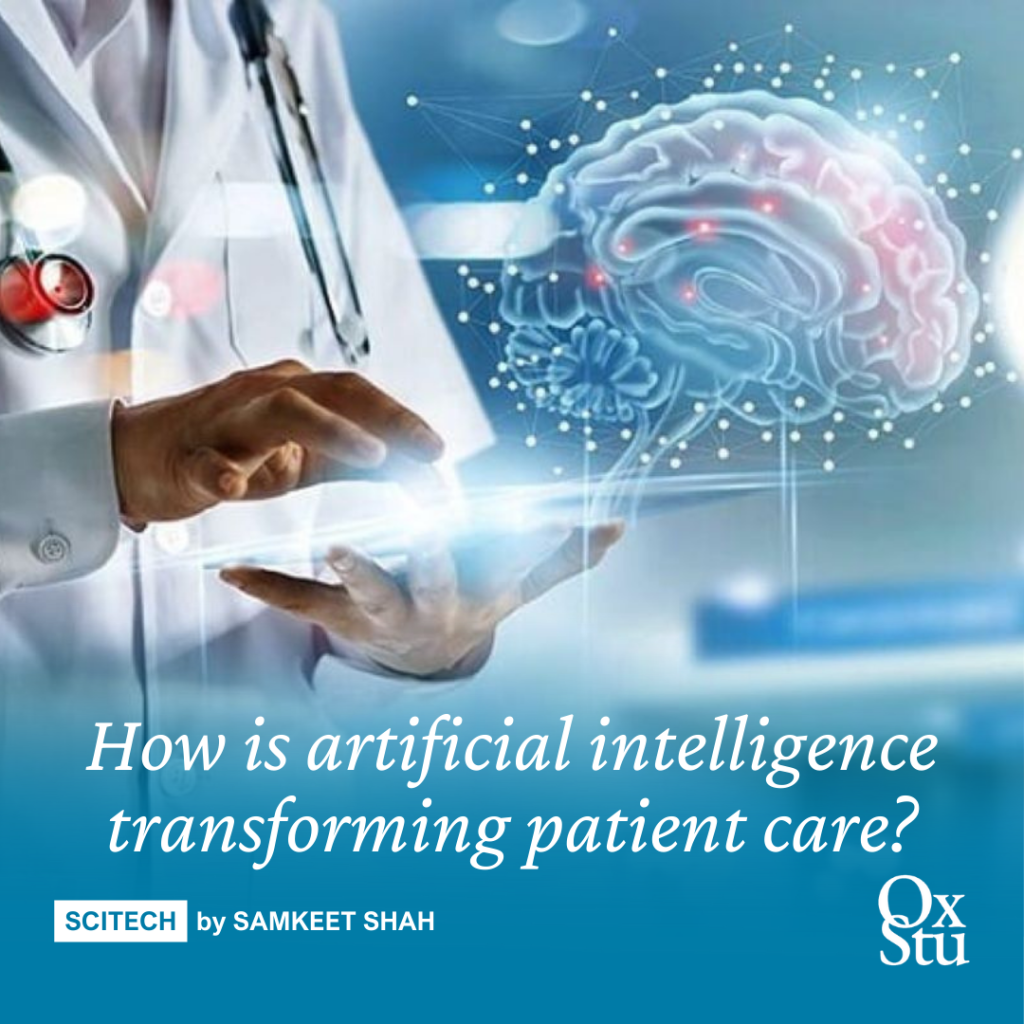
As the healthcare industry in the U.S. begins to adapt to these advancements, it is crucial for providers and patients alike to understand the implications of this technological evolution. The shift toward a fully automated health system not only promises to elevate patient care to unprecedented levels but also raises essential questions about data privacy, ethical considerations, and the future roles of healthcare professionals.
In this exploration of AI in healthcare, we will delve into the various facets of how the automation of health systems is not just a trend but a vital evolution in nurturing healthier communities across America. As we embrace these changes, awareness and discussion about their impact will be pivotal in shaping a future where technology and human compassion go hand in hand in patient care.
DISCOVER MORE: Click here to learn about its impact
Pioneering Innovations in Patient Diagnosis
One of the most transformative aspects of artificial intelligence in healthcare is its profound impact on the diagnostic process. AI-powered diagnostic tools utilize sophisticated algorithms and machine learning to analyze medical images, lab results, and patient histories with unparalleled accuracy. Studies show that AI can often outperform human specialists in interpreting diagnostic imaging, such as MRIs and CT scans. For instance, a study published in the journal *Nature* found that an AI algorithm was able to detect breast cancer in mammograms with an accuracy of 94%, significantly higher than that of radiologists alone.
This ability to enhance clinical diagnostics not only improves the accuracy of identifying diseases but also speeds up the process—an essential factor in urgent care settings. With AI’s capacity to sift through vast amounts of data quickly, healthcare providers can diagnose patients faster and start treatment sooner. This quick turnaround can be life-saving, especially in critical situations such as diagnosing strokes where every second counts.
The Role of AI in Disease Prevention
Beyond diagnostics, AI is playing a crucial role in disease prevention through its ability to analyze patterns in patient data. By leveraging big data, AI algorithms can identify risk factors and predict disease outbreaks, enabling health systems to intervene before crises arise. For example, the CDC has utilized AI models to analyze environmental data and social media trends, helping to predict flu outbreaks and other public health concerns. Such proactive measures allow healthcare providers to allocate resources effectively and educate at-risk populations, ultimately leading to healthier communities.
Moreover, AI systems can assist in understanding and managing the complex interactions between various health determinants—such as genetics, lifestyle, and environmental factors—enabling a more comprehensive view of patient health. With advancements in data analytics, healthcare providers can segment populations and focus on tailored public health initiatives that address specific community needs.
The Growing Landscape of AI Tools
The implementation of AI in health systems has given rise to a range of innovative tools and applications. Here is a brief overview of some notable AI technologies that are revolutionizing patient care:
- Chatbots and Virtual Health Assistants: These AI-driven tools provide patients with instant access to information, scheduling, and symptom triage, thus reducing the burden on healthcare staff.
- Predictive Analytics Tools: These are used to assess the risk of hospital readmissions, enabling preemptive care strategies.
- Wearable Health Technology: Devices that collect patient data in real time, allowing for continuous monitoring and timely alerts if health deteriorates.
- Robotic Process Automation: Streamlines administrative functions, allowing healthcare professionals to focus on patient-centric tasks.
As these technologies proliferate within health systems, their integration offers the potential not only to enhance patient care but also to reshape the entire healthcare landscape in the United States. This ongoing transformation calls for healthcare professionals to adapt to the changing dynamics, ensuring comprehensive care is delivered while embracing the advancements that technology has to offer. The future of healthcare is undeniably intertwined with the realm of AI, paving the way for better management of health and wellness.
| Impact of AI | Key Transformations |
|---|---|
| Improved Diagnostics | AI algorithms analyze imaging and lab results with enhanced accuracy, reducing human error. |
| Personalized Treatment Plans | With the help of machine learning, AI customizes care based on patient data, improving outcomes. |
| Operational Efficiency | AI automates tedious administrative tasks, allowing healthcare providers to focus more on patient care. |
| Predictive Analytics | Leveraging big data, AI anticipates healthcare trends and patient needs, leading to enhanced service delivery. |
In the realm of healthcare, Artificial Intelligence (AI) is revolutionizing service provision by enabling a level of automation that was previously unimaginable. One noteworthy impact of AI is in improved diagnostics. Advanced algorithms process complex medical data and images faster than traditional methods, facilitating acute care and accurate diagnoses. Moreover, the rise of AI technologies is paving the way for personalized treatment plans. AI does not just analyze data but also learns from it, enabling clinicians to tailor treatments that specifically meet the unique needs of each patient, which can result in greater success rates.AI is also beneficial in enhancing operational efficiency. By automating repetitive tasks, healthcare professionals can dedicate more time to direct patient interaction, fostering better care experiences. The utilization of predictive analytics further underscores AI’s transformative potential, as it helps healthcare systems forecast patient influx and resource allocation, ensuring services are timely and efficient. By engaging with these sophisticated technologies, the health industry moves closer to optimal patient care through a balance of innovation and compassion.
DISCOVER MORE: Click here to delve deeper
Enhancing Patient Engagement through AI
As healthcare dynamics evolve, patient engagement has become critical to the effectiveness of treatment outcomes. Artificial intelligence plays a pivotal role in enhancing how providers communicate with and involve patients in their care journey. AI-driven platforms facilitate personalized health interactions, ensuring patients receive relevant information tailored to their specific medical conditions and preferences.
One of the most notable innovations in this space is the deployment of AI chatbots that engage patients in dialogues ranging from appointment scheduling to medication reminders. These tools significantly decrease no-show rates by automating reminders and answering patient questions in real-time. A report by the American Medical Association suggested that practices using AI chatbots have seen up to a 30% reduction in missed appointments, allowing healthcare providers to optimize their schedules and focus more on patient care.
AI in Personalized Treatment Plans
In tandem with enhancing patient engagement, AI’s ability to craft personalized treatment plans is transforming healthcare delivery. By analyzing vast datasets that include genetic information, lifestyle choices, and previous treatment responses, AI algorithms can assist healthcare providers in developing tailored therapies for individual patients. For instance, genomics-based AI tools have shown significant promise in oncology by identifying targeted therapies that maximize efficacy while minimizing side effects for cancer patients.
Furthermore, platforms like IBM Watson Health are utilizing AI to sift through vast medical literature and clinical trials, proposing treatment plans based on the latest research. This capability not only supports evidence-based decision-making but also empowers patients to participate more actively in discussions about their treatment options. As a result, patients are more informed and engaged, leading to greater satisfaction and adherence to prescribed regimens.
Streamlining Operations with AI
Beyond direct patient care, AI is refining operational efficiencies within healthcare organizations. Administrative tasks, including billing, insurance verification, and customer service inquiries, are often time-consuming and prone to errors. AI-powered software solutions automate these processes, improving accuracy and freeing up healthcare professionals to concentrate on delivering quality care.
- Automated EHR Management: AI applications assist with the real-time updating of electronic health records (EHRs), ensuring health data is accurate and accessible, thus benefiting both providers and patients.
- Supply Chain Optimization: AI tools can predict inventory needs and reduce waste by analyzing patient volumes, leading to better-managed resources and cost reductions.
- Predictive Maintenance: AI systems can forecast when medical equipment is due for maintenance, minimizing downtime and ensuring critical technologies are always operational.
These operational enhancements not only increase the efficiency of healthcare delivery but also contribute to a more sustainable and scalable health system overall. As providers embrace AI technologies for both patient care and operational imperatives, the healthcare industry is witnessing a shift towards a model characterized by innovation, collaboration, and ultimately improved health outcomes.
DISCOVER MORE: Click here to delve deeper
Conclusion: The Future of Healthcare Driven by AI
The automation of health systems through artificial intelligence is reshaping the very fabric of patient care in ways that continue to unveil new possibilities. As we have explored, AI technologies enhance patient engagement, allowing individuals to be active participants in their healthcare journey. The utilization of AI chatbots and personalized treatment plans is not merely a trend, but a vital advancement that empowers patients with information and supports healthcare professionals in delivering tailored therapies. Collaboration between AI systems and healthcare providers is resulting in an era where treatment is not only efficient but also more effective.
Moreover, the operational efficiencies gained through AI integration—from automating electronic health records to optimizing supply chains—are ensuring that healthcare facilities can allocate their resources toward what truly matters: patient care. The ripple effects of these innovations include reducing administrative burdens, lowering costs, and enhancing the quality of services provided to patients across the United States.
As we stand on the threshold of a transformative healthcare landscape, the importance of ongoing research and adaptation to AI tools cannot be overstated. Stakeholders from patients, providers, to policymakers must engage in conversations about ethical considerations and the equitable deployment of these technologies, ensuring that benefits reach all demographic sections. In doing so, the healthcare system can harness the full potential of AI to foster a healthier society.
In conclusion, the journey of integrating artificial intelligence into healthcare is just beginning. Continued advancements will undoubtedly lead to further innovations that enhance both individual and population health outcomes. As this transformation unfolds, it is imperative to stay informed and proactive in embracing technologies that promise a brighter future for patient care.