
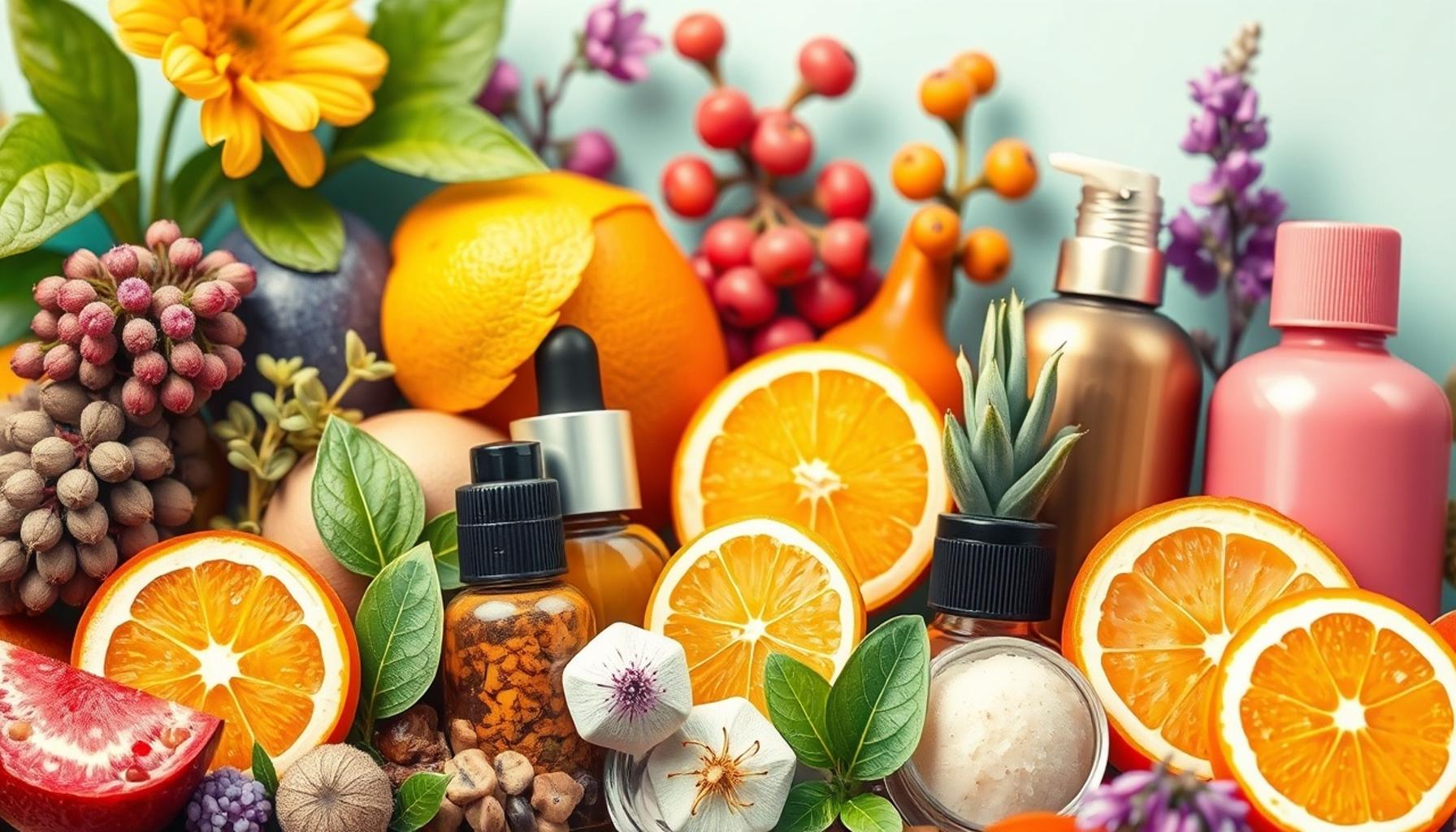
Understanding the Shift Towards Natural Cosmetics
In recent years, the beauty industry has witnessed a remarkable shift towards natural ingredients. Consumers are increasingly seeking products that are not only effective but also safe and environmentally friendly. This evolution reflects a greater awareness of health and sustainability, as people explore how their choices impact both personal well-being and the broader ecosystem.
As we dive into this fascinating trend, consider these compelling factors that underline the popularity of natural cosmetics:
- Health-Conscious Choices: Shoppers today are more mindful of what they apply to their skin, prioritizing organic and chemical-free options. Studies have shown that many conventional cosmetics often contain potentially harmful ingredients like parabens and sulfates. Natural alternatives typically use fewer synthetic substances, leading to a safer application for consumers aware of their health.
- Sustainability: Brands are responding to demands for eco-friendly practices by sourcing ingredients that help protect our planet. Many companies now emphasize green packaging and carbon-neutral processes, appealing to the environmentally conscious shopper. For example, brands like Lush have committed to using only recyclable and reusable materials, significantly cutting down on waste.
- Innovation: The integration of technology with traditional ingredients creates exciting new formulations. For instance, advances in extraction techniques have enhanced how brands utilize natural elements, leading to more effective skincare products. A great example is how cold-pressed oils are used in serums for their superior nutrient retention.
This growing preference for natural components is reshaping the landscape of cosmetic products. Ingredients range from plant-based oils like argan and jojoba to botanical extracts such as aloe vera and green tea. The benefits of these ingredients are numerous, making them appealing to a broad audience:
- Gentler on Skin: Natural ingredients are often free from harsh chemicals, which reduces irritation and allergic reactions, making them suitable for sensitive skin types. For instance, oils from marula and hemp are known to be exceptionally soothing.
- Rich in Nutrients: Many natural ingredients are packed with vitamins, minerals, and antioxidants that enhance skin health. Ingredients like vitamin C-rich kakadu plum and hyaluronic acid derived from natural sources provide hydration and rejuvenation benefits.
- Ethical Sourcing: Many brands focus on fair trade practices, ensuring that the farmers who grow these ingredients are compensated fairly. Companies like Fair Trade Beauty are shining examples of this commitment, fostering ethical relationships with farms around the globe.
Join us as we explore the impressive journey of natural ingredients in cosmetics. The landscape is constantly evolving, reflecting both current trends and the significant benefits they bring to consumers and the planet alike. As awareness grows, understanding what makes cosmetics truly natural can empower individuals to make informed choices that align with their lifestyle and values.
DISCOVER MORE: Click here to learn how to choose natural ingredients for effective skincare
The Rise of Natural Ingredients in Cosmetics
The cosmetic industry is undergoing a revolution, with natural ingredients taking center stage. This transformation is not merely a passing trend; it marks a significant shift in consumer preferences and the overall formulation of beauty products. With an increasing percentage of the population gravitating toward organic and natural choices, businesses are responding by reformulating existing products and developing new offerings that emphasize purity and sustainability.
One of the primary driving forces behind this trend is the demand for transparency in ingredient sourcing. Consumers are now more educated than ever about what goes into their products, and many actively seek out brands that disclose their ingredient lists. This emphasis on knowledge empowers shoppers to make informed choices about their beauty routines. The desire for transparency extends beyond ingredients; consumers are also interested in ethical manufacturing practices and sustainability measures implemented by brands.
Current Trends Influencing Natural Cosmetics
- Ingredient Labeling: Consumers are gravitating towards products that highlight their natural compositions with clear labeling. Terms like “free from parabens,” “sulfate-free,” and “chemical-free” are becoming staples in marketing strategies, as they resonate with health-conscious shoppers seeking safer alternatives.
- Biotechnology: The marriage of modern science and natural ingredients has sparked innovation in cosmetic formulations. Researchers are now able to harness the power of nature through biotechnological methods, creating potent and effective ingredients that offer the best of both worlds: the efficacy of science and the gentleness of natural elements.
- Clean Beauty Movement: The clean beauty trend has gained traction, bringing attention to products that prioritize minimalism and safety. Brands are formulating items with fewer ingredients and emphasizing quality over quantity. This trend aligns with consumer desires for simplicity and effectiveness in their skincare and makeup routines.
The benefits of using natural ingredients are compelling and contribute to their rising popularity. By opting for products infused with botanicals, consumers not only embrace a more health-conscious lifestyle but also gain access to a diverse array of specialized skincare benefits.
Key Benefits of Natural Ingredients
- Balancing Skin pH: Many natural ingredients help to maintain the skin’s natural pH balance. For example, ingredients like apple cider vinegar have antimicrobial properties and can gently exfoliate while restoring pH equilibrium.
- Antioxidant Properties: Natural elements such as green tea extract and vitamin E are rich in antioxidants, which combat free radicals and promote healthier, younger-looking skin.
- Moisture Retention: Ingredients like shea butter and coconut oil are revered for their exceptional moisturizing capabilities. They provide hydration and nourishment, addressing common skin concerns without the use of harsh chemicals.
As the conversation around natural cosmetics evolves, consumers are becoming more discerning. They are not only looking for products that work; they are also interested in the values and practices of the brands they support. This growing consciousness around beauty products signifies a promising future, steering the industry towards a path that champions health, sustainability, and ethical responsibility.
The Evolution of Natural Ingredients in Cosmetic Products: Trends and Benefits
The landscape of cosmetic products has dramatically transformed over the past decade, with a notable shift towards the use of natural ingredients. This movement is not merely a trend; it reflects a growing consumer demand for transparency and safety. As individuals become more informed about what they apply to their skin, the preference for products that boast plant-based or organic ingredients has surged. In today’s market, brands are integrating sustainable practices and eco-friendly sourcing into their formulation processes. This not only enhances their product offerings but also resonates with a clientele increasingly concerned about environmental impact. Brands such as RMS Beauty and Ethique have demonstrated success by prioritizing natural constituents while maintaining efficacy, appealing to the modern consumer’s ethos.Among the most significant benefits of using natural ingredients is their potential for fewer adverse reactions. Ingredients such as Aloe Vera, with its soothing properties, or <strongjojoba oil, which closely resembles human sebum, can enhance product performance while minimizing irritation. Moreover, the incorporation of essential oils has gained traction due to their aromatic qualities and therapeutic benefits, offering users a multi-sensory experience. To further examine these evolving trends and benefits, consider the dynamics illustrated in the following table:
| Category | Advantages |
|---|---|
| Natural Ingredients | Promote health and safety in skin care. |
| Environmental Impact | Sustainable sourcing enhances brand reputation. |
This table highlights key categories that reveal the underlying currents in the cosmetics industry. The shift to natural ingredients not only influences product formulations but cultivates a deeper awareness of the significance of sustainable and effective beauty solutions. As consumers navigate this new beauty landscape, staying informed and inquisitive will empower them to make choices that align more closely with their values and needs.
DISCOVER MORE: Click here for essential tips
The Impact of Social Media on Natural Beauty Trends
In today’s digital age, social media platforms are reshaping the landscape of the beauty industry, particularly in the realm of natural ingredients. Influencers and beauty enthusiasts are harnessing the power of platforms like Instagram, TikTok, and YouTube to share their experiences with natural products, thereby driving consumer choices and promoting a shift towards greener options. The visual nature of these platforms allows for enticing demonstrations of product efficacy, from before-and-after shots to tutorials showcasing the beauty of natural ingredients in action.
A survey by McKinsey & Company highlighted that over 70% of consumers are influenced by social media recommendations when purchasing beauty products. This places a substantial emphasis on how brands engage with their audiences online. Many companies are now collaborating with eco-conscious influencers who align with their values, helping to solidify their credibility within the natural beauty community. The #CleanBeauty hashtag has emerged as a rallying point, uniting a community passionate about ethical practices in cosmetics.
Consumer Education and Ingredient Awareness
As consumers seek more knowledge about the products they use, educational content addressing skin health and ingredient functionality has gained popularity. Brands increasingly showcase insights about the sourcing and benefits of their natural constituents, boosting consumer confidence. For instance, brands like Herbivore Botanicals and 100% Pure provide detailed information about the origins and properties of their ingredients, allowing consumers to appreciate the craftsmanship behind each product.
Moreover, uncertainty and skepticism towards synthetic chemicals have prompted a greater investigative spirit among consumers. Reports from the Environmental Working Group (EWG) have shed light on potential health hazards of certain synthetic ingredients, prompting many to seek alternatives. This awareness encourages the exploration of natural solutions, leading to a more informed purchasing decision landscape where safety is a key priority.
Regenerative Practices and Eco-Conscious Innovations
The growing concern over environmental degradation has spurred a demand for brands that practice sustainability. Many cosmetic companies are embracing regenerative practices, which go beyond sustainability by restoring resources and ecosystems. This shift is reflective of a conscious consumer base that values products made from ethically sourced and renewable materials.
For example, some brands are formulating products that not only use natural ingredients, but also contribute positively to the environment through initiatives like reforestation or ocean cleanup projects. Such commitments resonate particularly well with younger generations, as studies show that Millennials and Gen Z consumers prioritize sustainability in their brand choices.
Additionally, packaging innovations aimed at reducing waste, such as refill stations and compostable materials, are also gaining traction. By aligning with eco-friendly practices, brands invite consumers to participate in a larger movement toward health and environmental sustainability. This collective effort reflects a significant cultural change within the cosmetics industry, as consumers increasingly champion brands that share their values.
The evolution of natural ingredients in cosmetics is not just about the products themselves; it encompasses a broader narrative of health, sustainability, and conscious consumerism. As this movement intensifies, the synergy between natural beauty products and the values of transparency, education, and environmental consciousness continues to shape the future landscape of the beauty industry.
DISCOVER MORE: Click here to learn about the latest trends
Conclusion: A Greener Future for Beauty
The journey of natural ingredients in cosmetic products reflects a dynamic shift in consumer preferences and industry standards, reinforcing the importance of health, sustainability, and ethical practices. As today’s consumers increasingly gravitate towards products that align with their personal values, brands that embrace transparency and ingredient integrity are positioned to thrive in an ever-evolving marketplace.
With the influence of social media amplifying the reach and visibility of natural beauty trends, consumers are more empowered than ever to make informed choices. This has propelled an era where educational content surrounding skincare and ingredient functionality isn’t just beneficial, but essential. Brands that create open dialogues and share insights about their products foster trust and loyalty among consumers, paving the way for a more conscious beauty culture.
Moreover, the emphasis on regenerative practices and sustainable innovations reflects a broader awareness of environmental issues, connecting beauty routines with larger ecological goals. As brands commit to ethical sourcing and eco-friendly packaging, they contribute to a collective effort aimed at promoting health, safety, and environmental restoration.
As we look forward, the evolution of natural ingredients in cosmetics emerges not merely as a trend, but as a fundamental pivot in the industry. This movement marks a significant cultural shift toward greater responsibility and accountability—establishing a foundation for a future where beauty is not only skin deep but also deeply rooted in respect for our planet and its inhabitants. To explore more about this transformative era, consumers can engage in ongoing research and support brands that prioritize their values, ensuring that their beauty choices contribute positively to both personal well-being and the world around them.