
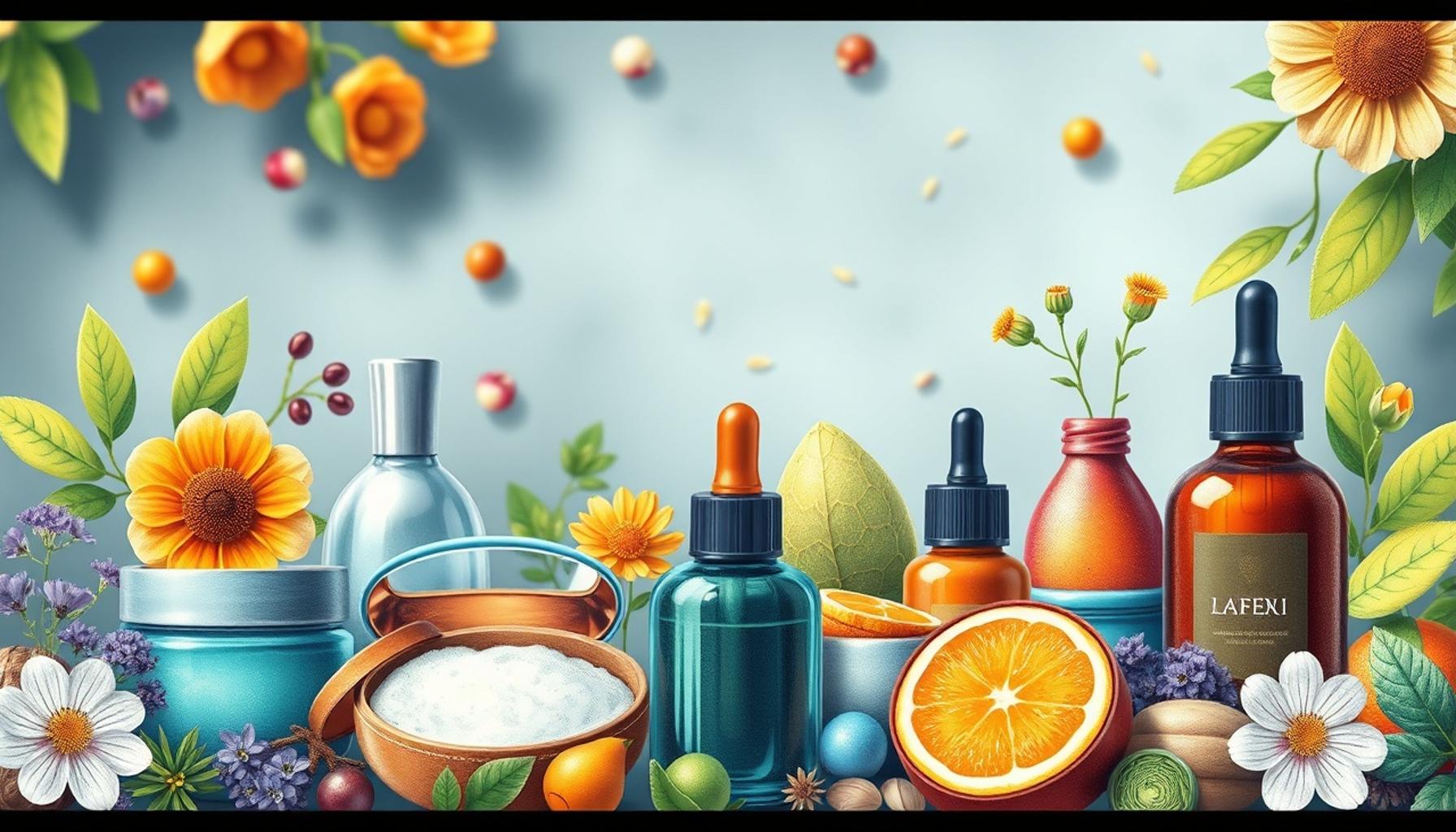
The Growing Trend Towards Natural Ingredients in Cosmetics
The cosmetic industry is undergoing a transformative journey centered around a significant shift towards the use of natural ingredients. This change reflects a new era where consumers prioritize what they put on their skin, leading many brands to rethink and reformulate products with organic components. The driving forces behind this movement are diverse and impactful.
Health Awareness
A key factor in this trend is an increasing interest in holistic health and wellness. Consumers are becoming more knowledgeable about the chemical compositions of products, often opting for those that align with their personal health values. This awareness translates into a preference for cosmetics that promote not only beauty but also overall health. For instance, brands like Burt’s Bees highlight their commitment to using natural, responsibly sourced ingredients, creating a loyal customer base that appreciates the emphasis on health.
Environmental Impact
The desire for sustainable and eco-friendly products is reshaping consumer purchasing decisions. More individuals are aware of the ecological footprint of their beauty products, prompting brands to adopt sustainable sourcing and production practices. For example, brands like Toms of Maine utilize recyclable packaging and ethically sourced ingredients, appealing to environmentally conscious consumers. This awareness not only influences individual purchasing habits but also pushes entire industries to prioritize sustainability.
Transparency in Ingredients
Today’s consumers demand clarity regarding product formulations. Many are now scrutinizing ingredient labels, searching for transparency in sourcing and production methods. Brands that communicate openly about their ingredients, such as The Ordinary or Paula’s Choice, have built trust with their customers, leading to increased brand loyalty.
Emerging Trends in Natural Ingredients
As demand for natural products grows, several trends are reshaping the cosmetics landscape:
- Plant-Based Oils: Oils like jojoba, almond, and argan are becoming staples in skincare regimens due to their ability to hydrate and nourish the skin effectively.
- Botanical Extracts: Ingredients derived from herbs and flowers—such as green tea and chamomile—are widely recognized for their antioxidant properties and calming effects.
- Minimalism: Brands are focusing on fewer, high-quality ingredients, emphasizing efficacy over complexity. This minimalist approach appeals to consumers looking for straightforward, effective skincare.
Benefits of Natural Ingredients
The benefits of incorporating natural ingredients into cosmetics are numerous and significant:
- Reduced Irritation: Natural ingredients typically contain fewer harsh chemicals, making them safer and more suitable for sensitive skin. This is particularly appealing for individuals suffering from conditions such as eczema or rosacea.
- Enhanced Hydration: Many natural oils and extracts work to provide superior hydration while allowing the skin to breathe. For instance, shea butter is celebrated for its moisturizing properties without blocking pores.
- Long-Term Skin Health: Ingredients like vitamins C and E not only enhance the skin’s appearance but also protect against environmental stressors, promoting long-term skin health.
This growing emphasis on natural ingredients is reshaping the cosmetic industry, offering benefits that go beyond basic beauty. As consumers seek products that align with their health, environmental, and ethical values, the evolution of natural ingredients in cosmetics represents a significant shift towards more responsible beauty practices.
DISCOVER MORE: Click here to learn about the role of antioxidants in your skincare
Tracking the Transformation of Natural Ingredients
The cosmetic industry is not just evolving; it is undergoing a revolution defined by a robust shift toward natural ingredients. As brands scramble to meet the rising demand for more organic formulations, the market is beginning to resemble an intricate tapestry woven with threads of botanical extracts, essential oils, and herbal components. This surge in popularity can be attributed to heightened consumer awareness about the ingredients that touch their skin daily.
Consumer Empowerment and Preferences
The movement towards natural ingredients is not merely a trend but a direct response to a more informed consumer base. Individuals are becoming increasingly proactive about their skincare choices, knowledgeable about the potential risks associated with synthetic chemicals often found in conventional cosmetics. Brands like 100% Pure are leading the charge by launching products that are not only free from harmful additives but also leverage the potency of fruits, vegetables, and other naturally derived elements. As consumers seek products that genuinely enhance their health and routines, they become advocates for brands that align with their values.
The Rise of Ethical Consumption
In tandem with a focus on wellness is a growing interest in ethical consumption. Shoppers are emphasizing the importance of chemical-free, cruelty-free, and vegan products. The rise of companies like Pacifica Beauty exemplifies this shift, as they offer a range of cosmetics made with natural ingredients while adhering to strict ethical guidelines. This movement challenges brands not only to consider the efficacy of their products but also their environmental and social impact. The result is a more conscientious approach to beauty, rooted in respect for both nature and consumers.
Tangible Benefits for Skin Health
The benefits of using natural ingredients are diverse and compelling, raising the stakes for brands eager to convey the advantages of their formulations:
- Antioxidant Power: Natural ingredients loaded with antioxidants, such as green tea and vitamin C, help combat premature aging by neutralizing harmful free radicals.
- Soothing and Calming: Many botanicals, like lavender and chamomile, have proven calming effects on the skin, making them ideal for reducing redness and irritation.
- Balanced Nourishment: Natural oils and butters, such as coconut oil and mango butter, offer deep hydration without the greasy feel often associated with synthetic moisturizers.
This burgeoning interest in natural ingredients does more than just cater to preferences; it reveals an evolution in the understanding of skin health and wellness. As consumers increasingly demand high-quality, transparent, and ethically sourced products, the cosmetic industry finds itself at a pivotal point, balancing innovation with responsibility. In this context, the journey of natural ingredients is not just about aesthetic appeal; it is about embracing nature’s wealth for lasting beauty and skin vitality.
The Evolution of Natural Ingredients in Cosmetic Products: Trends and Benefits for the Skin
As the beauty industry embraces the shift toward more sustainable practices, natural ingredients have taken center stage, reshaping the way consumers perceive skincare. This evolution is influenced not only by consumer demand for transparency and health but also by a growing understanding of the skin’s unique needs. Recent studies have highlighted the benefits of incorporating natural ingredients, effectively transforming personal care routines.One of the pivotal trends is the reduction of synthetic chemicals in favor of botanical extracts, which are often richer in vitamins and antioxidants. Ingredients like aloe vera, renowned for its soothing properties, and green tea, celebrated for its antioxidant content, are being integrated into formulations designed to nurture and revitalize the skin. Moreover, natural oils such as jojoba and argan serve as effective moisturizers, mimicking the skin’s sebum while providing essential fatty acids that improve barrier function. An increasing number of consumers are also exploring the benefits of superfoods in skincare, drawn from the same fruits and vegetables that nourish our bodies. For example, the use of fermented ingredients like kombucha can enhance skin vitality by promoting cellular turnover, leading to a more radiant complexion. As we delve deeper, it becomes evident that the trend towards natural ingredients isn’t just a fleeting phase; it represents a significant paradigm shift in how we care for our skin and respect our planet.To further illustrate the variety of benefits and trends in natural ingredients, the following table summarizes the key categories emerging within this movement:
| Category | Details |
|---|---|
| Anti-inflammatory Agents | Natural extracts like camomile and turmeric help reduce redness and soothe irritated skin. |
| Moisturizing Ingredients | Natural oils such as coconut and olive oil provide deep hydration and lock in moisture. |
| Antioxidants | Fruits high in vitamin C, like berries, protect the skin from environmental stressors. |
This dynamic landscape of natural ingredients is not only reshaping cosmetic formulations but also revolutionizing consumer expectations and fostering a more holistic approach to skincare. As we continue to explore this trend, the intersection of beauty and wellness becomes increasingly significant, inviting us to rethink our personal care choices.
DISCOVER MORE: Click here to learn about the benefits of natural ingredients
The Science Behind Natural Ingredients
As the cosmetic industry pivots toward natural ingredients, there is a growing body of scientific research that supports their efficacy and benefits for skin health. Customers are no longer merely relying on anecdotal evidence; they are looking for empirical data that substantiates the claims made by brands. This quest for authenticity has led to increased collaboration between cosmetic companies and dermatologists, microbiologists, and botanists to better understand how natural ingredients interact with skin.
Formulation Innovation
The shift towards natural formulations has spurred a wave of innovation in product development. Brands are harnessing advanced extraction techniques to ensure that the active components of natural ingredients retain their potency. For example, cold-press extraction allows oils and essences to be obtained without heat, safeguarding vital nutrients and enhancing their effectiveness. Moreover, innovative blending techniques are enabling the creation of hybrid formulations that combine the best of nature with scientifically-backed compounds, striking a balance that has become appealing to many consumers.
Exploring Specific Natural Ingredients
Specific natural ingredients are becoming buzzworthy for their unique advantages:
- Hyaluronic Acid: Although often associated with synthetic origins, this powerful humectant can be derived from natural sources like the fermentation of wheat and root vegetables, providing significant moisture retention.
- Tea Tree Oil: Renowned for its antiseptic and anti-inflammatory properties, tea tree oil is often used as a natural remedy for acne, helping to reduce breakouts without the harsh effects of synthetic treatments.
- Shea Butter: Rich in vitamins A, E, and F, this natural emollient is not just a moisturizer but acts as a calming agent for dry and inflamed skin, making it a staple in skincare products.
Furthermore, the adaptation of traditional medicine in modern formulations is expanding the palette of natural ingredients available to consumers. Ingredients such as Turmeric, celebrated for its curcumin content, have moved from being a culinary ingredient to a cosmetic one, acknowledged for its potent anti-inflammatory properties. Similarly, adaptogens like Ashwagandha are incorporating into skincare, bringing not just beauty but also a sense of holistic well-being into user experiences.
Regulatory Challenges and Consumer Trust
While the trend towards natural ingredients is promising, it is not without challenges. Regulatory bodies in the United States, such as the FDA, have yet to establish a stringent definition of what constitutes “natural” in cosmetics. This lack of clarity can lead to confusion among consumers, who might be unsure whether products labeled as “natural” are truly free from synthetic additives. This uncertainty underscores the importance of transparency and ethics in branding, especially for companies claiming to utilize natural ingredients. Consumers are increasingly demanding proof, pushing brands to adopt more transparent labeling practices, which, in turn, bolsters trust.
The evolution towards natural ingredients in cosmetics represents a significant turning point in the beauty industry—a fusion of science and nature that caters to informed consumers. As brands innovate and adapt, the focus continues to widen on not just what goes on the skin, but also the integrity of how these products are sourced, produced, and ultimately impact both health and well-being.
DISCOVER MORE: Click here to enhance your beauty routine</
Conclusion
In conclusion, the evolution of natural ingredients in cosmetic products marks a transformative chapter in the beauty industry, one that reflects changing consumer preferences and an increased desire for skincare that emphasizes both efficacy and safety. As research continues to unveil the myriad benefits of plant-based and naturally derived components, consumers are becoming empowered to make informed choices that align with their values and skin health needs. The marriage of tradition and modern science is unlocking a treasure trove of possibilities, where ingredients like Hyaluronic Acid from natural sources, Tea Tree Oil for its antiseptic properties, and the incorporation of traditional remedies like Turmeric and adaptogens like Ashwagandha are making their way into everyday formulations.
However, it’s essential to navigate the landscape with discernment, especially given the current lack of regulatory clarity surrounding the term “natural.” By advocating for transparency and ethical practices, consumers can better discern which products genuinely prioritize skin health while respecting nature. The movement toward natural cosmetics is not merely a trend; it is an invitation to deepen our understanding of what we apply to our skin and how it impacts our overall well-being. As this evolution unfolds, it beckons a future where beauty standards meet sustainability, bridging the gap between nature and science—an exciting prospect for both consumers and the industry alike.