

Transforming Customer Interactions
In today’s fast-paced digital world, businesses are constantly seeking ways to enhance their customer service. The rise of AI-driven systems has revolutionized this landscape, offering innovative solutions to meet customer expectations. With automation, companies can streamline operations while providing improved user experiences.
Consider these compelling benefits of automating customer service:
- 24/7 Availability: Customers can receive support at any time, significantly reducing wait times and enhancing satisfaction. For instance, a customer from New York can get assistance at midnight while shopping online, without the frustration of being placed on hold.
- Cost Efficiency: Leveraging AI can lower operational costs, allowing businesses to allocate resources strategically. Companies can reduce the size of their customer service teams without compromising on response times and quality, leading to higher profit margins.
- Personalization: AI algorithms can analyze customer interactions, enabling tailored responses that resonate with individual needs. For example, if a customer frequently buys fitness gear, automated systems can suggest new arrivals in that category, enhancing the shopping experience.
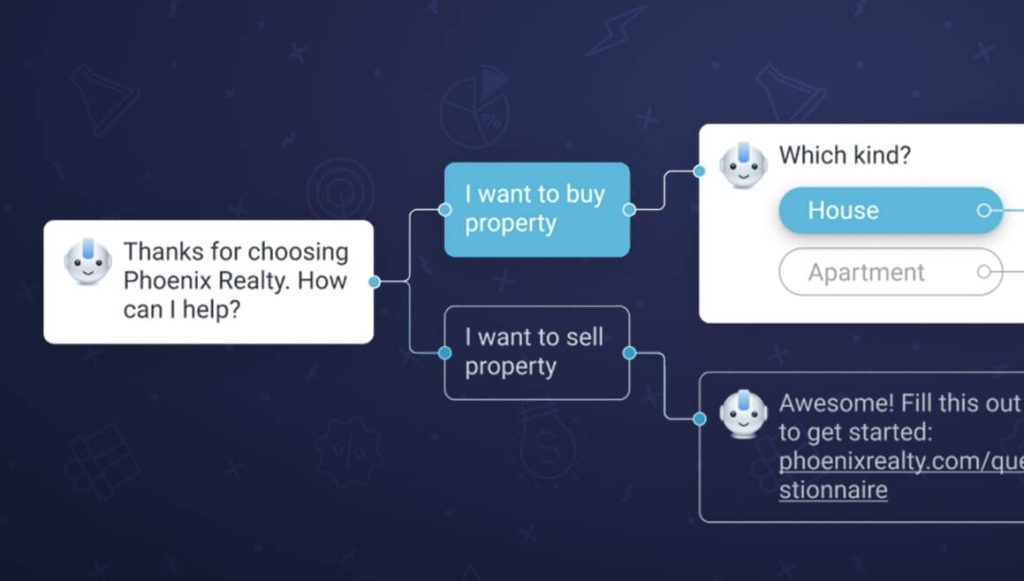
The integration of these systems can lead to significant shifts in user experience. For instance, chatbots are capable of handling routine inquiries instantly, such as order tracking or product information, freeing up human agents to tackle more complex issues that require a personal touch. Companies like Starbucks and American Express are already harnessing these technologies. Starbucks employs AI to facilitate mobile ordering and personalize customer engagement, while American Express uses advanced algorithms to detect fraudulent activities in real time, thereby protecting customers.
Exploring the impact of AI-driven customer service reveals not just operational efficiency but also a fundamental shift in the way businesses interact with their clientele. Consumers are increasingly expecting immediate and relevant responses that motivate them to remain loyal to brands. The implications are vast: while automation is efficient, striking the right balance between human touch and machine efficiency is crucial.
As we delve deeper into the nuances of this technology, we will uncover what the future holds for user experience in an increasingly automated world. Will the trend of enhanced service lead to even higher expectations from customers? What are the potential pitfalls of over-reliance on AI? Join us as we unravel these insights and examine how businesses can navigate the evolving landscape of customer service.
DISCOVER MORE: Click here to learn about intelligent agents in automation
The Role of AI in Enhancing Customer Engagement
As businesses ramp up their efforts to utilize AI-driven systems for customer service, the transformation in customer engagement is becoming increasingly apparent. The integration of artificial intelligence not only facilitates faster response times but also enriches the overall user experience. This innovation reshapes traditional customer service paradigms, allowing organizations to respond to inquiries more efficiently and accurately.
One of the most significant advantages of utilizing AI in customer service is the capability of natural language processing (NLP). This technology allows AI systems, such as chatbots, to understand and interpret user queries in a conversational manner. When implemented effectively, customers can enjoy seamless interactions that mimic real conversations. For example, a customer facing an issue with their online order can chat with a virtual assistant that accurately identifies their concern and provides resolution options, often leading to a more satisfactory experience.
Key Benefits of AI-Driven Customer Service
Businesses are discovering various advantages of implementing AI technologies in their customer service operations, which include:
- Increased Responsiveness: AI systems can analyze and react to customer inquiries instantly, significantly reducing response times. This speed in addressing customer needs leads to elevated levels of customer satisfaction and loyalty.
- Enhanced Data Insights: AI can sift through vast amounts of customer data to uncover trends and preferences that inform better decision-making. Understanding buyer behavior helps companies to tailor their offerings and marketing strategies.
- Consistent Service Quality: Automated systems maintain a level of consistency in responses that is difficult to achieve with human agents alone. This uniformity ensures that customers receive dependable information and support, regardless of when they reach out.
The application of AI is not limited to response times and information accuracy. Customer service teams are leveraging these systems to address a broader spectrum of issues through predictive analytics. By analyzing patterns in customer data, AI can anticipate customer needs, allowing businesses to take proactive measures and offer solutions before problems actually arise. For instance, if analytics reveal that a product is frequently returned due to a common issue, businesses can address this concern promptly, enhancing customer satisfaction before it becomes a widespread concern.
However, while the advantages are significant, it is essential for businesses to recognize the potential challenges that come with automation. Over-reliance on AI could result in a lack of personal interaction, which may alienate customers seeking a genuine human connection. Striking a balance between AI and human support is critical in ensuring a holistic approach to customer service that maintains a personal touch.
As we further explore the implementation of AI-driven customer service systems, critical questions arise: How can businesses effectively blend the efficiency of AI with the empathy of human interactions? What best practices can organizations adopt to maximize the benefits while mitigating potential downsides? The answers to these questions will shape the future of customer engagement in an increasingly automated world.
Transforming User Engagement with AI
Automating customer service through AI-driven systems is revolutionizing how businesses interact with their customers. These systems enhance user experience by providing instant responses and personalized support, which is a significant leap from traditional customer service methods. By implementing AI technologies such as chatbots and virtual assistants, companies can facilitate a more efficient communication channel, allowing customers to receive assistance at any hour.One key benefit of AI-driven systems is their ability to analyze vast amounts of data and learn from customer interactions. This capability not only improves response accuracy but also allows businesses to anticipate user needs, leading to a more tailored experience. Furthermore, these systems are designed to handle multiple inquiries simultaneously, drastically reducing wait times for customers and increasing overall satisfaction.In addition to efficiency, AI systems contribute to cost reduction for businesses. With automation handling routine inquiries, customer service representatives can focus on more complex issues that require a human touch. This strategic allocation of resources ultimately enhances the quality of service provided and increases the company’s operational efficiency.As customers become more accustomed to instant gratification brought about by technology, the demand for AI-driven customer service solutions is expected to rise continuously. Organizations that embrace this change will likely see improved customer retention rates, as engaging and responsive service fosters loyalty and trust. To better illustrate the advantages of AI in customer service, refer to the following table:
| Advantage | Description |
|---|---|
| 24/7 Availability | AI systems provide constant support, eliminating customer wait times. |
| Personalized Interactions | Machine learning allows for tailored responses based on user data. |
The integration of AI-driven customer service systems is not just a trend but a necessity in today’s rapidly evolving market. Companies that harness the power of these technologies will set themselves apart, creating a competitive advantage that prioritizes user experience.
DIVE DEEPER: Click here to uncover the impact of machine learning
AI-Driven Personalization: Tailoring Experiences to Individual Customers
The dynamic advancements in AI technologies are revolutionizing the personalization of customer experiences in service interactions. By leveraging machine learning algorithms, businesses can analyze individual customer behaviors, preferences, and feedback. This level of insight enables organizations to provide a unique customer journey that caters closely to individual needs.
For instance, companies like Amazon have set the standard for personalized customer experiences through predictive analytics, which assess previous purchases and browsing behavior. This method leads to incredibly tailored product recommendations, thereby enhancing engagement and conversion rates. According to a survey by McKinsey, businesses that utilize personalization effectively can generate up to 40% more revenue from their marketing efforts, signifying the quantifiable impact of AI in optimizing customer interactions.
Integrating Omnichannel Support with AI
The advent of AI-driven systems also facilitates a seamless omnichannel support experience. Customers are increasingly engaging across multiple platforms, from social media to email and chat applications. AI technologies help unify and manage these interactions by capturing data across all communication channels. This integration ensures that a customer’s history, including any previous inquiries or transactions, is readily available, enabling service agents or chatbots to respond with a coherent understanding of the customer’s previous engagements.
- Consistency Across Channels: By employing AI-driven systems, organizations can maintain consistent messaging across all customer touchpoints. Whether a customer reaches out via email or social media, they receive coherent solutions that build trust and improve the brand experience.
- 24/7 Availability: AI systems allow for round-the-clock support, ensuring that customers can obtain assistance at any time. This flexibility is particularly vital in today’s global market, where customers might be in different time zones, seeking support at odd hours.
Moreover, AI technologies leverage sentiment analysis to gauge customer emotions during interactions. By detecting whether a customer is satisfied, angry, or frustrated, organizations can adjust their responses appropriately, ensuring that consultations lead to positive outcomes. A study by Salesforce indicated that over 70% of consumers expect companies to understand their needs and expectations, highlighting the importance of emotional intelligence in customer service.
Addressing Privacy Concerns with AI Integration
As organizations implement AI-driven customer service solutions, privacy concerns inevitably arise. With data privacy regulations like the California Consumer Privacy Act (CCPA) and the General Data Protection Regulation (GDPR), businesses must navigate the delicate balance between personalizing experiences and protecting user data. Establishing transparent practices around data usage and securing consumers’ consent are paramount in effectively using AI without compromising trust.
Compliance not only safeguards customer information but also enhances brand reputation. According to a report from Forrester, brands that build customer trust through data transparency can improve customer loyalty by as much as 30%. Therefore, organizations should prioritize robust security measures and communicate their data practices proactively to develop lasting relationships with customers.
In essence, the journey toward automating customer service with AI presents both opportunities and challenges. By emphasizing personalized experiences, omnichannel support, and data privacy, businesses can position themselves effectively within a competitive landscape. With consumer expectations shifting continuously, enterprises must remain agile and responsive to harness the full potential of AI technologies in transforming customer service.
DISCOVER MORE: Click here to dive deeper
Final Thoughts on AI-Driven Customer Service Automation
In conclusion, the integration of AI-driven systems into customer service has ushered in a transformative era that emphasizes efficiency, personalized experiences, and seamless support. As organizations increasingly adopt AI technologies, they can optimize user interactions by analyzing consumer behaviors and preferences, thus providing tailored journeys that resonate with individual needs. The capabilities of these systems, such as omnichannel support and real-time sentiment analysis, enable businesses to achieve remarkable consistency and availability, catering to a diverse customer base across various platforms.
However, the shift toward automation also presents significant challenges, particularly in the realm of data privacy. Striking a balance between personalization and consumer trust is paramount. By adhering to stringent regulatory frameworks like the CCPA and the GDPR, organizations can mitigate privacy concerns and enhance their brand reputation.
As the landscape of customer expectations continues to evolve, businesses must remain agile and committed to leveraging AI technologies thoughtfully. As highlighted, companies that effectively embrace the intricacies of AI integration can stand to gain substantial advantages—both in customer satisfaction and in measurable returns on investment. Ultimately, the successful automation of customer service will depend on a careful blending of advanced technology and genuine human understanding, ensuring that customer experiences become more engaging and meaningful.
As we navigate this new frontier, it is essential for companies to continually evaluate their AI strategies, focusing on innovation while preserving the core values of empathy and trust. In doing so, they position themselves as not just service providers but as partners in an evolving customer journey.