
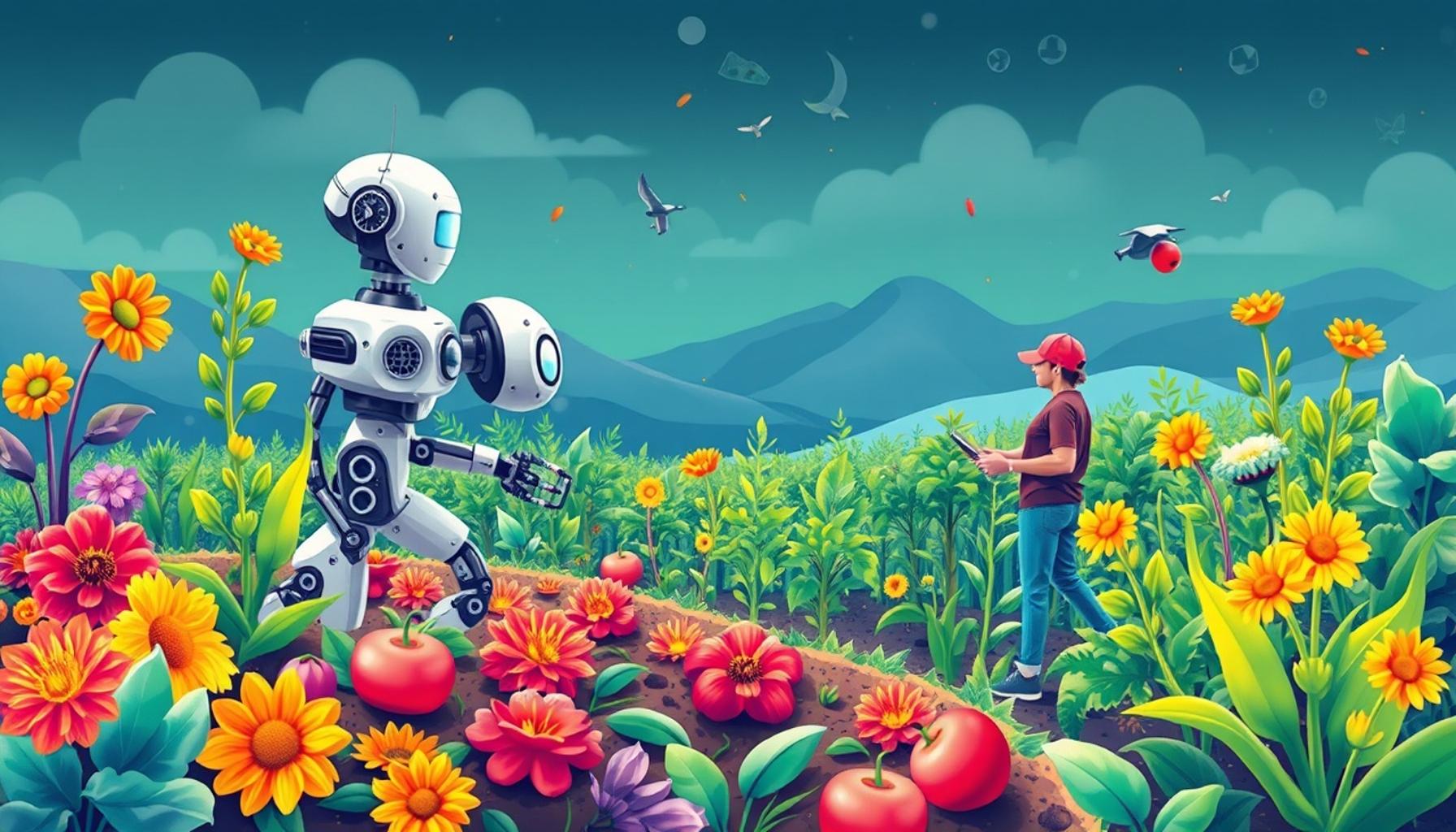
Innovative Solutions for Modern Agriculture
As the global population surges past 8 billion, the demand for sustainable agricultural practices becomes increasingly urgent. AI automation systems offer innovative solutions to meet this challenge, transforming traditional farming into a modern, efficient, and sustainable practice.
The application of AI in agriculture is not merely a trend; it is reshaping the landscape of farming across the globe. Key benefits include:
- Improved crop monitoring and yield prediction: Utilizing AI algorithms, farmers can analyze vast datasets to make accurate yield forecasts. For example, IBM’s Watson Decision Platform is already allowing farmers to leverage predictive analytics to anticipate crop performance based on weather patterns and soil conditions.
- Precision farming techniques: These involve using GPS technology and satellite imagery to guide farming decisions, such as where to plant different crops or how much fertilizer to apply. An example is precision irrigation systems that assess moisture levels and deliver water directly to the roots, reducing waste and ensuring optimal plant growth.
- Automated harvesting and planting systems: Robotic systems designed for harvesting tasks are being tested in various U.S. farms. These robots not only save time and labor costs but also minimize damage to crops during harvest, ensuring a higher quality yield.
Farmers are increasingly leveraging data-driven approaches to make informed decisions that enhance productivity while reducing environmental impact. For instance, drones equipped with sensors are becoming common tools, providing real-time data analysis to help farmers understand soil health and crop conditions. This aerial technology enables precise mapping, allowing for targeted interventions rather than broad-stroke approaches previously taken.
The integration of AI technology fosters not only economic benefits but also promotes sustainability. Farmers can achieve:
- Reduced water consumption: Smart irrigation systems that draw on weather forecasts and soil moisture data enable farmers to conserve water, ensuring efficient irrigation practices are followed.
- Lower pesticide use: AI can monitor pest populations through sophisticated image recognition and alerts farmers when intervention is truly necessary, thus minimizing chemical use and fostering healthier ecosystems.
- Enhanced biodiversity: Through optimized farming practices shaped by AI insights, farmers can cultivate a diverse range of plants and soil organisms, encouraging a healthier agricultural landscape.
In the United States, the adoption of these advanced systems is not just improving individual farm outputs; it is also influencing agricultural policies and practices nationwide. The push towards sustainable practices reflects a growing recognition among policymakers of the need for a revolutionary approach to food production. As we delve deeper into the realm of AI automation in agriculture, the potential to create a sustainable future for farming appears more promising than ever.
This ongoing transformation invites every stakeholder from farmers to consumers to engage with and explore the implications of these technologies. Understanding how AI can be harnessed in farming is more crucial now than ever, as it lays the groundwork for an agricultural landscape that meets the challenges of tomorrow while preserving the planet’s resources.
DISCOVER MORE: Click here to dive deeper
Revolutionizing Farming Practices with AI
The advent of AI automation systems marks a significant evolution in agricultural practices, particularly in the United States, where innovation in farming technology often follows closely behind consumer demands for sustainability and efficiency. At the heart of this transformation lies the ability to collect and analyze data in real-time, transforming farming from intuition-based decisions to data-driven strategies. Understanding the capabilities of these systems is essential for farmers aiming to enhance productivity and environmental sustainability.
To comprehend the depth of this transformation, we must first explore the key components of AI automation in agriculture:
- Data Collection through IoT Sensors: Internet of Things (IoT) sensors embedded in fields gather crucial data about soil moisture, temperature, and nutrient levels. This information is instrumental in determining the precise moment for planting or harvesting, allowing farmers to maximize yields while conserving resources.
- AI-Powered Predictive Analytics: By employing machine learning algorithms, AI can predict factors such as crop yields and market prices. The agricultural sector is increasingly reliant on these models to navigate unpredictable climatic conditions and market fluctuations, helping farmers to make informed decisions that optimize both yield and profitability.
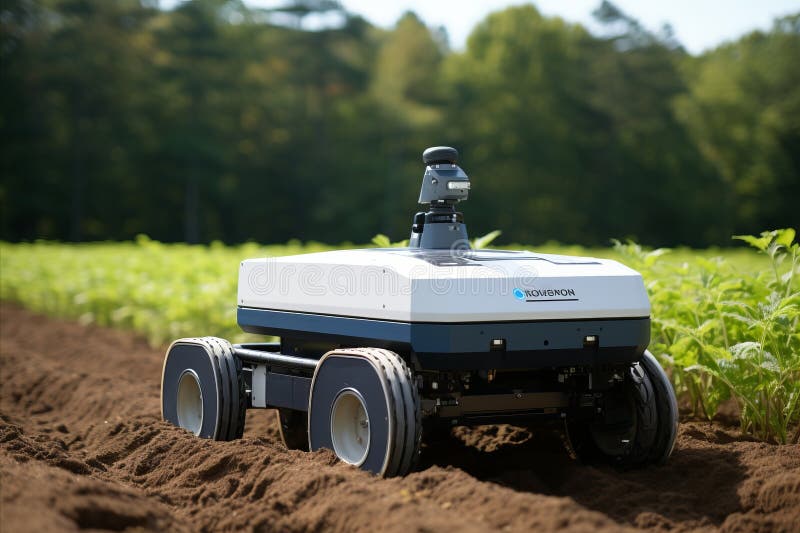
- Autonomous Machinery: The implementation of autonomous tractors and harvesters is on the rise, reducing reliance on human labor. These machines can operate efficiently around the clock, completing tasks such as planting, cultivating, and harvesting with unparalleled precision.
In the context of sustainability, these AI-integrated systems deliver remarkable benefits that align with modern agricultural demands. For instance, the data-driven approach enables the adoption of precision agriculture. By tailoring practices to specific field conditions, farmers can reduce inputs—whether they be fertilizers, pesticides, or water—resulting in not only cost savings but also a decreased environmental footprint.
The impact of AI automation extends beyond individual farm operations; it plays a vital role in addressing broader environmental concerns. Farmers employing AI technologies report:
- Increased Resource Efficiency: Through real-time data integration, farmers can efficiently manage resources, ensuring that every drop of water and every nutrient is utilized optimally.
- Enhanced Crop Resilience: By leveraging AI tools to predict disease outbreaks or pest invasions, farmers can implement preventative measures in a timely manner, thereby safeguarding their crops and reducing the need for drastic chemical interventions.
- Better Soil Health: With detailed insights into soil conditions supplied by AI, farmers can enhance soil management practices, fostering healthier farms and promoting long-term sustainability.
As farmers in the U.S. grapple with the pressures of climate change and a growing population, the integration of AI automation systems is more than an innovative trend; it represents a fundamental shift toward a more sustainable agricultural framework. This transition not only improves productivity but also aligns with consumer demands for food that is produced responsibly and ethically, ultimately benefiting the entire ecosystem.
Continuous advancement in AI capabilities offers an opportunity for ongoing innovation in agricultural practices, giving farmers the tools they need to meet the evolving challenges of modern farming while simultaneously caring for the planet. As we progress further into this era of technology-driven farming, the question remains: how can we harness these tools to ensure a sustainable future for agriculture?
Transformative Benefits of AI Automation in Agriculture
As the agricultural sector embraces technology, AI automation systems emerge as pivotal tools that reshape traditional practices while enhancing sustainability. These systems offer farmers streamlined operations that not only conserve resources but also optimize productivity.
Precision Farming
AI-driven solutions foster precision farming, allowing for data-driven decision-making. By utilizing satellite imagery and sensor data, farmers can effectively manage crop health, soil conditions, and water usage. This targeted approach minimizes waste and ensures that inputs like fertilizers and pesticides are applied only where necessary, reducing environmental impact.
Labor Efficiency
In an era where labor shortages are prevalent, integrating AI into farming can lead to significant efficiency boosts. Automating routine tasks such as planting, watering, and harvesting means labor is more effectively utilized, allowing farmers to focus on strategy and planning. Moreover, robotics powered by AI can perform these tasks with remarkable precision, further enhancing yield quality.
| Category | Advantages |
|---|---|
| Resource Optimization | AI systems help reduce water usage and chemical applications through precise monitoring and targeted functionality. |
| Increased Crop Yields | Automation allows for interventions that significantly boost crop health and yield, meeting growing food demand sustainably. |
Continuing this trend, the integration of AI systems in agriculture will lead to a more sustainable future, where food production aligns with ecological preservation. This dynamic change must be embraced as we look towards a more innovative agricultural landscape.
EXPLORE MORE: Click here to dive deeper
Adopting AI Innovations for Sustainable Farming
The integration of AI automation systems is not just about technological advancement; it signifies a holistic transformation in how agricultural practices are conceived and executed. Farmers are increasingly recognizing the value of adopting AI innovations to build more sustainable operations. The following examples illustrate how the AI surge is reshaping various facets of farming in a more sustainable manner:
- Smart Irrigation Systems: AI-driven irrigation solutions analyze weather patterns and soil data to optimize water usage on farms. For instance, California’s ongoing drought challenges have prompted many farmers to utilize AI for creating irrigation schedules that conserve water while ensuring that crops receive the moisture they require. This technology mitigates water wastage, supports crop health, and helps farmers comply with stringent water regulations.
- Crop Health Monitoring: Drones equipped with AI analytics can survey large tracts of farmland, scanning for signs of disease or pest infestations. The University of California, Davis, has pioneered the use of aerial imagery and AI algorithms to effectively identify at-risk areas within crop fields. Early intervention not only protects crops but reduces the amount of pesticides used, further enhancing environmental sustainability.
- Supply Chain Optimization: AI technologies are invaluable in streamlining farm-to-table processes. By analyzing consumer purchasing trends and predicting demand, AI can help farmers plan their production schedules more effectively. This avoids overproduction, reducing waste while also ensuring fresher produce for consumers. For example, applications like IBM’s Watson provide insights that guide farmers on when to plant or harvest based on market dynamics, aligning agricultural output with consumer needs.
The evolution of AI in agriculture also brings forth a suite of benefits that enhance not just the productivity of farming practices but also promote a more sustainable food system overall. A recent McKinsey report highlighted that implementing AI across various agricultural operations could yield productivity gains of 30% and cut greenhouse gas emissions by as much as 20%. This underscores the potential for AI systems to operate as a significant lever in the quest for sustainable agriculture.
Adopting AI automation does not come without challenges, however. Farmers often cite high initial costs associated with these technologies as a barrier. Nevertheless, numerous grant programs and agricultural innovation funds are emerging, aimed at easing the financial burdens of incorporating modern agricultural technologies. Furthermore, initiatives supported by organizations like the United States Department of Agriculture (USDA) focus on promoting these technologies among smaller, family-owned farms, which represent a significant portion of American agriculture.
Additionally, integrating AI automation systems necessitates a shift in skill sets among the workforce. Education and training programs are essential to ensure that farmers and their employees effectively utilize these new tools. Collaborations between agricultural colleges and tech companies are beginning to surface. Programs designed to provide hands-on training with AI technologies equip the next generation of farmers with the knowledge needed to thrive in a tech-driven agricultural landscape.
This technological amalgamation in agriculture heralds a future where the potential for producing food responsibly is not just a lofty ideal, but a realizable goal. Innovators and early adopters are leading the charge in sustainable farming, utilizing AI not just to bolster their operations but to prioritize ecological stewardship, aptly setting the stage for the future of agriculture in the United States.
DISCOVER MORE: Click here to explore the latest tools in AI data processing
Looking Ahead: The Future of AI-Driven Sustainable Agriculture
As we’ve explored, the integration of AI automation systems marks a pivotal shift in agricultural practices, steering the industry towards sustainability and efficiency. The ability of smart irrigation systems to conserve precious water resources, the use of drones for precise crop health monitoring, and the optimization of supply chains all converge to create a more responsible and sustainable food ecosystem. With a potential for productivity boosts of 30% and reductions in greenhouse gas emissions by 20%, the data paints a compelling picture of AI’s transformative role in agriculture.
While challenges such as initial investment costs and the need for workforce retraining persist, the growing support from grants, government initiatives, and educational programs signal a proactive approach to overcoming barriers. The strides being made across the United States, particularly in partnership with organizations like the USDA, highlight the determination within the agricultural sector to not only adopt these innovations but to embrace them as a core component of sustainable practices.
Ultimately, the future of agriculture lies in its ability to adapt and innovate in the face of changing environmental and market dynamics. By harnessing the power of AI technologies, farmers can serve a dual purpose—meeting the increasing demand for food while championing environmental stewardship. As we look forward, stakeholders at all levels must continue to invest in this technological evolution, ensuring that the promise of sustainable agriculture is not merely a goal but a practical reality. As we turn to the horizon, it becomes evident that the future of farming is not just about cultivating crops; it’s about cultivating a viable, sustainable world for generations to come.