
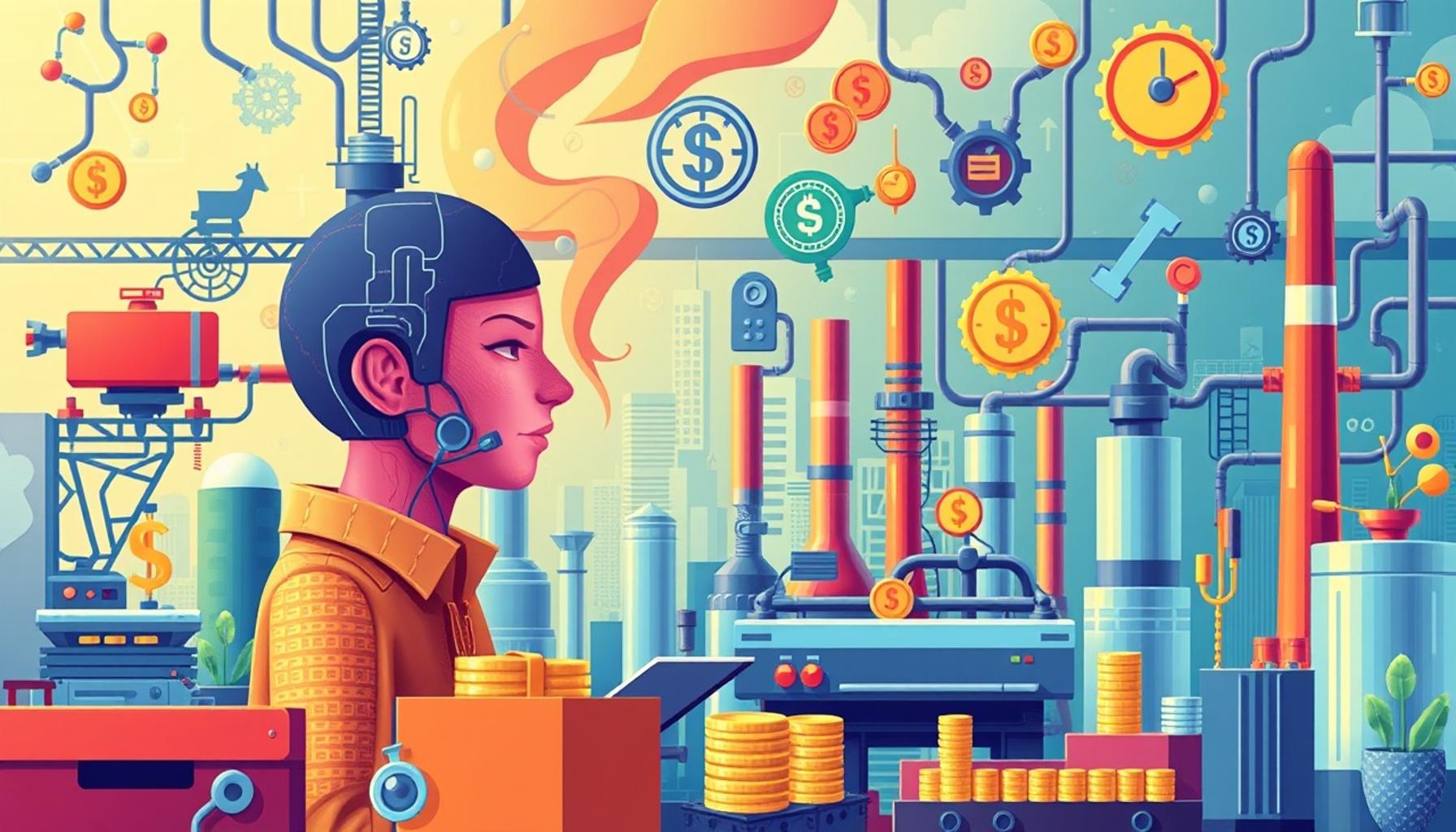
The Evolution of Industrial Automation
The integration of intelligent agents marks a significant turning point in the evolution of industrial process automation, creating transformative shifts across manufacturing sectors. These advanced systems are not merely instruments for efficiency; they are intelligent entities that learn, adapt, and enhance operational performance, thereby redefining industrial ecosystems. As businesses increasingly rely on technological innovations, understanding the multifaceted roles of intelligent agents becomes paramount.
Key Features of Intelligent Agents
Several critical characteristics underpin the effectiveness of intelligent agents in modern manufacturing:
- Autonomous decision-making: Intelligent agents can analyze vast amounts of data in real time, allowing them to make decisions without human input. For instance, a production line equipped with such agents can swiftly identify bottlenecks and optimize throughput by reallocating resources without waiting for managerial approval.
- Process optimization: These agents employ machine learning algorithms to continuously assess performance metrics and refine processes, leading to enhanced efficiency. This capacity for ongoing improvement means that manufacturers can adapt their operations to changing conditions, minimizing waste and maximizing output.
- Predictive maintenance: By leveraging data analytics, intelligent agents can foresee potential equipment failures, scheduling maintenance activities before issues arise. This proactive approach not only reduces unexpected downtime but also extends the lifespan of machinery, thus saving costs over time.
Applications Across Industries
The versatility of intelligent agents is evident across various sectors, showcasing their ability to enhance manufacturing practices:
- Smart manufacturing: In automotive production, intelligent robots are deployed along assembly lines, offering flexibility by adjusting to different model specifications within minutes. Companies like Tesla utilize such systems to streamline their production processes while maintaining high-quality standards.
- Supply chain management: Intelligent agents can analyze market trends and consumer behavior, allowing companies to optimize their inventory levels. Amazon exemplifies this by using intelligent agents to predict product demand, efficiently managing stock and ensuring rapid delivery.
- Energy management: Intelligent systems monitor energy consumption in real-time, adjusting processes to conserve resources. For instance, manufacturers can significantly lower energy costs while reducing their environmental impact through smart systems that optimize energy use in factories.
Fostering Innovation and Competitive Advantage
The influence of intelligent agents extends far beyond mere automation, paving the way for innovation. By enabling manufacturers to respond dynamically to market demands, these agents significantly enhance decision-making processes. As industries in the U.S. continue to integrate this pioneering technology, the implications for maintaining competitive edge are profound. Understanding how to harness the power of intelligent agents not only fosters operational excellence but also prepares businesses to thrive in an increasingly complex manufacturing landscape.
DIVE DEEPER: Click here to explore the integration of automation and AI

A New Frontier in Manufacturing
The implementation of intelligent agents in industrial process automation signifies a radical shift in how manufacturers operate. By harnessing cutting-edge technologies such as artificial intelligence (AI) and machine learning, these agents exemplify the future of smart factories. Unlike traditional automation systems that rely on preset instructions, intelligent agents possess the capability to adapt and learn from their environments, resulting in unprecedented efficiency and flexibility.
Enhanced Data Utilization
One of the key advantages of intelligent agents is their ability to leverage data analytics for improved decision-making. With the exponential growth of data generated in manufacturing, intelligent agents sift through this information to draw actionable insights. As a result, manufacturers can make real-time adjustments to production processes based on current conditions, rather than being tied to outdated schedules or forecasts.
Real-time Analytics and Insights
Intelligent agents transform the way manufacturers approach problem-solving. For instance, in a scenario where an unexpected equipment malfunction occurs, intelligent agents can quickly assess the situation and reroute production to mitigate downtime. This immediate responsiveness not only helps maintain operational continuity but also inspires a culture of agility within the workforce.
Collaboration with Human Workers
Moreover, intelligent agents are designed to work alongside human employees, enhancing their capabilities rather than replacing them. Through intuitive interfaces, these agents provide real-time support to workers in various stages of the production process. Some of the ways intelligent agents collaborate with human operators include:
- Providing real-time feedback: Intelligent agents analyze human input and contextual data to offer instantaneous suggestions or corrections, ensuring optimal performance.
- Facilitating training and upskilling: By monitoring human performance and identifying areas for improvement, intelligent agents can assist in crafting tailored training programs that empower workers.
- Enhancing safety protocols: Intelligent agents are equipped with safety monitoring systems that alert human operators to potential hazards, ensuring a safer working environment.
Transforming Traditional Practices
The integration of intelligent agents continues to redefine traditional manufacturing practices. Sectors that have been historically slow to adapt are now embracing these technologies to enhance not only their production capabilities but also their product quality. For example, companies in the pharmaceutical industry are leveraging intelligent agents for stringent quality control processes, ensuring that products meet compliance standards more efficiently than ever before.
As intelligent agents facilitate a more data-driven approach to manufacturing, they also play a critical role in sustainable practices. With the ability to optimize resource allocation and minimize waste, these agents contribute to a greener manufacturing landscape, aligning with the growing demand for environmentally responsible production methods.
In conclusion, the role of intelligent agents in industrial process automation is not just about efficiency; it represents a shift towards a future where technology and human ingenuity work in harmony. As businesses in the United States strive for excellence in manufacturing, embracing intelligent agents becomes not only advantageous but essential for maintaining competitiveness in a rapidly evolving marketplace.
The Role of Intelligent Agents in Industrial Process Automation
The advent of intelligent agents in industrial process automation has marked a notable shift in how operations are executed across various industrial sectors. These agents, powered by advancements in artificial intelligence and machine learning, offer a myriad of functionalities that improve efficiency and reduce operational costs.
One central role of intelligent agents is in predictive maintenance. By continuously analyzing machinery data, these agents can anticipate potential failures before they occur, thereby minimizing downtime and ensuring smoother operations. This proactive approach not only saves companies money but also enhances the longevity of their equipment.
Furthermore, intelligent agents play a significant part in optimizing supply chain management. They can analyze vast amounts of data to identify inefficiencies and suggest improvements. For instance, intelligent agents can forecast demand trends, allowing businesses to adjust their production schedules and manage inventory more effectively. This leads to reduced waste and maximization of resources, strengthening the overall supply chain.
Another advantage lies in enhancing decision-making processes. Intelligent agents can process real-time data and provide insights that empower management to make informed choices quickly. This capability is crucial in the fast-paced industrial environment where timely decision-making can significantly influence performance metrics.
Lastly, the integration of intelligent agents fosters increased safety in industrial settings. By automating hazardous tasks, these agents not only mitigate risks associated with human error but also protect employees from potential dangers inherent in various industrial processes.
| Advantages | Key Features |
|---|---|
| Predictive Maintenance | Minimizes downtime by anticipating equipment failures. |
| Supply Chain Optimization | Enhances efficiency by forecasting demand and managing inventory. |
These examples illustrate how intelligent agents are becoming indispensable in modern industrial automation. By leveraging their capabilities, businesses can not only maintain a competitive edge but also drive innovation in their operations, paving the way for a smarter and more efficient industrial landscape.
DISCOVER MORE: Click here to learn about its impact on diagnostics
Driving Innovation in Supply Chain Management
Intelligent agents are also at the forefront of revolutionizing supply chain management, enhancing not only efficiency but also resilience within industrial ecosystems. By utilizing predictive analytics and machine learning algorithms, these agents can forecast demand fluctuations and adapt logistics in real-time. As a result, businesses are able to maintain inventory at optimal levels, thus reducing overhead costs and minimizing waste.
Automated Inventory Management
In the age of just-in-time production, intelligent agents facilitate automated inventory management, ensuring materials are available when needed without excessive stockpiling. For instance, if a particular component’s demand spikes due to a sudden market trend, intelligent agents can adjust supply orders immediately. This capability not only smoothens the production flow but also mitigates the risks associated with supply chain disruptions, like those witnessed during the COVID-19 pandemic.
Enhanced Supplier Collaboration
Moreover, intelligent agents foster better collaboration with suppliers. By continuously monitoring supplier performance metrics, these agents can offer valuable insights into potential delays or quality issues, enabling manufacturers to address concerns before they escalate. This proactive approach can lead to stronger partnerships and improved product quality. Additionally, intelligent agents can assist in selecting the best suppliers based on criteria such as delivery time, cost, and historical performance, optimizing the entire procurement process.
Pioneering Predictive Maintenance Techniques
Another transformative application of intelligent agents is in predictive maintenance. Traditional maintenance schedules can lead to unnecessary downtime, as machines undergo checks based solely on predetermined timelines. Intelligent agents redefine this paradigm by employing sensors and data analytics to monitor equipment health continuously.
With the ability to analyze patterns and recognize anomalies in real-time, intelligent agents can predict equipment failures before they occur. This not only extends the lifespan of machinery but also significantly cuts maintenance costs, as repairs can be performed at the most opportune times, reducing unplanned outages.
Impact on Workforce Dynamics
As intelligent agents take on more analytical and operational responsibilities, the nature of jobs in manufacturing is shifting. Employees are transitioning into roles that require more complex problem-solving and critical thinking skills. Companies are increasingly investing in training programs that enhance these capabilities. For example, firms like Siemens and GE are actively fostering a culture of digital literacy among their workforce to help them adapt to this new landscape.
Addressing Cybersecurity Challenges
However, an increased reliance on intelligent agents raises cybersecurity concerns. As machines and systems become interconnected, they are also more vulnerable to cyber threats. Intelligent agents can play a critical role in this domain as well, applying advanced algorithms to detect and neutralize anomalies in network traffic that may indicate security breaches. By implementing robust cybersecurity measures, manufacturers can ensure that the benefits of automation are not undermined by potential risks.
Intelligent agents are not merely facilitators of automation; they are the architects of an integrated, agile, and innovative manufacturing landscape. As industries across the United States adapt to these advancements, the full potential of intelligent agents will continue to unfold, presenting new opportunities and challenges in the world of industrial process automation.
DIVE DEEPER: Click here to learn more
Conclusion
In conclusion, the role of intelligent agents in industrial process automation is undeniably transformative, shaping the future of manufacturing and supply chain dynamics. As these autonomous systems harness the power of artificial intelligence and machine learning, they are becoming vital players in optimizing operational efficiency, enhancing predictive maintenance, and redefining workforce roles. The versatility of intelligent agents allows them to address multifaceted challenges, from improving supply chain resilience to delivering real-time insights that drive decision-making.
Moreover, the transition towards a more automated environment compels industries to consider cybersecurity strategies that will safeguard these interconnected systems from rising threats. As reliance on intelligent agents grows, manufacturers must prioritize the technical upskilling of their workforce to navigate an increasingly complex technological landscape. Companies are already paving the way for this change by incorporating advanced training initiatives aimed at fostering digital proficiency.
Ultimately, the integration of intelligent agents is not just about automation; it signifies a shift towards a more innovative, collaborative, and data-driven manufacturing paradigm. As organizations in the United States explore the vast potential of these intelligent systems, they open the door to new possibilities, unlocking sustainable growth and maintaining competitive advantages in an ever-evolving market. The journey is just beginning, and the future of industrial process automation is ripe with opportunities that hold the promise of greater efficiency, productivity, and resilience.