Art as a Form of Protest: Creative Expression in Times of Crisis
Art as a Catalyst for Change
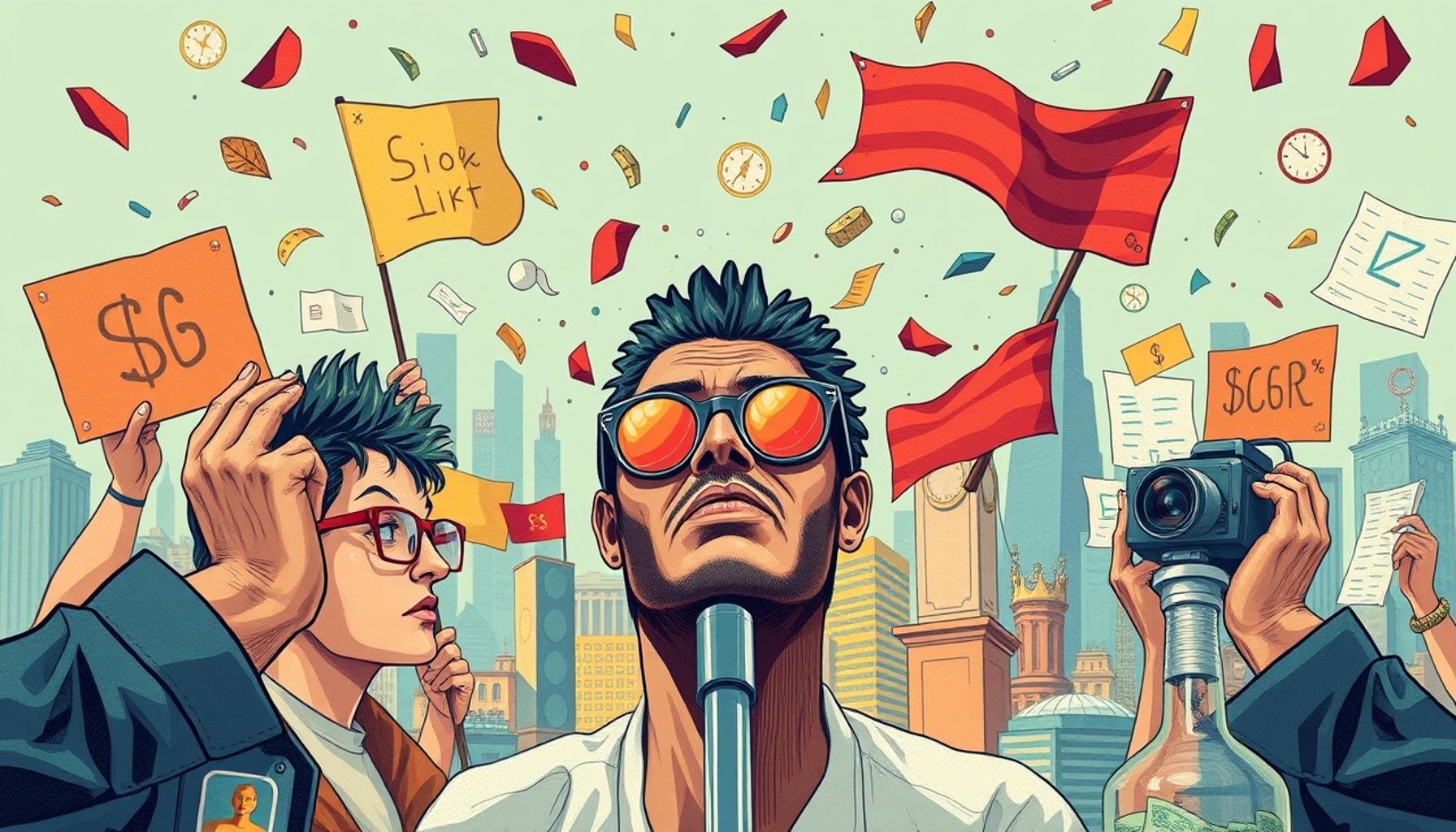
Throughout history, art has served as a powerful vehicle for expressing dissent. In times of crisis, creatives have employed their talents to capture the frustrations, hopes, and demands of the masses. Whether through painting, music, theater, or digital media, artistic expression becomes a rallying cry that unifies people around shared struggles, forming an essential component of social movements and cultural dialogues.
One of the key features of art as a form of protest is its emotional resonance. Art has the unique ability to evoke feelings that resonate deeply within communities, allowing individuals to express emotions they might struggle to articulate otherwise. A poignant painting, a stirring song, or a powerful performance can give voice to the collective angst of a populace, fostering solidarity among individuals who may feel isolated in their struggles.
In addition, art exhibits remarkable accessibility. Creative works can transcend language and cultural barriers, making complex issues relatable and understandable for a broader audience. For instance, a mural depicting the harsh realities of police violence can communicate its message effectively across diverse demographics, inspiring dialogue and encouraging action in ways that traditional forms of communication may not.
Artists often employ symbolism in their work, creating powerful imagery that provokes thought and inspires action. For example, the raised fist, a symbol of solidarity during the civil rights movement, resurfaces in various artistic expressions today, representing resistance and unity against oppression. These symbols serve as easily recognizable motifs that can galvanize support and broaden the reach of a message.
Examples from recent American history illustrate art’s profound impact on social change:
- Street Art: During the Black Lives Matter movement, murals painted in cities like New York and Los Angeles have transformed urban landscapes into canvases of activism. These artworks serve not only as a form of protest but also as enduring reminders of the ongoing fight for racial equality.
- Music: Genres like hip-hop and folk have long voiced protests against social injustices. Artists such as Kendrick Lamar and Joan Baez have used their music to highlight issues ranging from systemic racism to economic inequality, becoming the soundtracks of social movements.
- Theater: Productions addressing immigration and healthcare issues have sparked critical discussions within communities. Plays such as “The Vagina Monologues” and “Sweat” depict the struggles of disenfranchised groups, prompting audiences to reflect on their own societal roles.
As society faces ongoing challenges regarding climate change, political polarization, and human rights, the role of art as a form of protest becomes increasingly relevant. Artists are continuously pushing boundaries, utilizing their platforms to draw attention to pressing issues. Fans and critics alike should closely examine how these creative expressions reflect societal problems and motivate change. In the following sections, we will delve deeper into the various artistic movements that continue to shape public discourse today and explore how grassroots organizing and creative expression intersect in powerful ways.
DIVE DEEPER: Click here to explore the intersection of performing arts and digital technology</a
The Role of Art in Activism
Art is more than just a medium for self-expression; it is a vital tool for activism that has the potential to influence public perception and inspire collective action. As we have seen throughout history, the relationship between art and protest is deeply intertwined, with artists often at the forefront of movements advocating for social change. The impact of their work transcends beyond mere aesthetics, resonating with the emotional and intellectual core of society.
One of the most striking aspects of art as a form of protest is its ability to capture the essence of a moment. Art can serve as both a mirror and a lamp—reflecting societal issues while illuminating paths towards solutions. The raw emotion infused in creative works galvanizes communities and propels individuals to confront injustices. From powerful murals that dominate city walls to music that gets played on repeat at demonstrations, artistic expressions have the ability to crystallize sentiments into tangible forms that endure.
In contemporary America, we witness diverse forms of artistic activism emerging in response to pressing issues ranging from systemic racism to climate change. Below are a few categories showcasing how different art forms contribute to the dialogue around these crises:
- Visual Arts: Artists are increasingly turning to public installations and street art to convey their messages. Visually striking pieces often evoke emotions that drive home the urgency of social issues. For instance, the “Fearless Girl” statue, which boldly stares down Wall Street’s infamous bull, has become a symbol of women’s empowerment and has sparked discussions about gender equality.
- Performance Art: This genre blends various artistic expressions, including theater, music, and dance to engage audiences on a visceral level. Performance artists often tackle relevant topics, using their platforms to spark conversations about racial injustice, LGBTQ+ rights, and environmental concerns during live shows, festivals, and community gatherings.
- Digital Art: In the age of social media, artists have harnessed digital platforms to amplify their messages to a global audience. Whether it’s through viral videos, GIFs, or digital illustrations, the internet allows for rapid dissemination and interaction, engaging younger generations in ways that traditional media often cannot.
The intersection of art and activism is further highlighted by critical movements such as #MeToo, which has garnered attention across social platforms. Artistic expressions—from viral social media artwork to powerful spoken word performances—helped inform the public about the complexities of sexual violence and gender inequality, making the issue more prominent and relatable.
As we continue to explore how art as a form of protest evolves, it is crucial to recognize the ongoing dialogue between artists and activists. The unique perspectives that artists bring to societal issues can challenge dominant narratives, encourage empathy, and generate meaningful conversations that could lead to real change. In the next sections, we will dissect specific case studies showcasing successful artistic movements and analyze how they have contributed to broader social movements, effectively proving that creativity knows no bounds when it comes to advocating for justice.
| Category | Description |
|---|---|
| Social Commentary | Art serves as a powerful vehicle for social commentary, raising awareness about pressing issues like inequality, injustice, and human rights violations. |
| Inspiration for Activism | Innovative art can inspire individuals to engage in activism, fostering a sense of community and motivating collective action towards systemic change. |
| Emotional Resonance | Through visual storytelling, protest art evokes emotional resonance, allowing viewers to connect deeply with the stories of those impacted by crises. |
| Cultural Preservation | Art fosters the preservation of cultural identity, particularly in marginalized communities, providing a platform to express and resist cultural erasure during turbulent times. |
In exploring the topic of ‘Art as a Form of Protest,’ we also consider its role as a vital channel through which resilience is expressed and differentiation is maintained amid struggles. For example, murals, installations, and performance arts have become integral to voicing dissent and galvanizing support against oppressive regimes across the globe. Moreover, thematic elements within such art highlight the unique perspectives and histories of affected populations, creating an enriched dialogue on diversity and intersectionality. This blend of emotional depth and contextual relevance not only enhances public awareness but also encourages a broader understanding of the shared human experience in times of crisis.As we observe various movements, from the Black Lives Matter protests to climate action rallies, the significance of creative expression cannot be understated. Artists are mobilizing their talents to transform public spaces into arenas of social engagement, where dialogue stems from visual provocations that compel observers to confront uncomfortable truths. This transformative power of art thus cements its status not merely as a reflection of societal issues but as an active contributor to the fight for justice and equality.
DIVE DEEPER: Click here to uncover more
The Transformative Power of Art during Times of Crisis
Art serves as a profound catalyst for societal change, particularly in times of crisis when voices seek to be heard. It has the uncanny ability to mobilize communities, generate dialogue, and provoke thought in ways that traditional activism may not. The narratives crafted through various art forms can humanize issues, making them relatable and igniting empathy among audiences who might otherwise remain indifferent. As crises unfold, artists wield their creativity not just to document realities but to inspire action and resistance.
One pivotal instance of art’s transformative power can be seen in the movements surrounding police brutality and racial injustice. The death of George Floyd in 2020 catalyzed an outpouring of artistic expression that encapsulated the anger, grief, and demand for justice. Street murals, such as the iconic piece in Washington, D.C. stating “Black Lives Matter,” not only conveyed a powerful message but also became a site of gathering and reflection for thousands. These visual messages are more than passive art; they challenge viewers to confront uncomfortable truths about systemic racism and spurred individuals to take to the streets in protest.
The realm of literature also plays a crucial role in this dialogue. Writers, poets, and playwrights have long used the written word to capture injustices and speak truth to power. Consider the work of Amanda Gorman, whose poem “The Hill We Climb” delivered at the inauguration of President Biden transcended ceremony. Her words resonated widely, offering both hope and a call to action in the face of division and despair. Literature, through its power to transcend time and space, becomes a form of protest that invites critique, introspection, and ultimately, change.
- Music: Throughout history, music has served as an anthem for movements, from the protest songs of the 1960s civil rights era to today’s hip-hop artists addressing police violence. Recent tracks by artists like Kendrick Lamar and H.E.R. tackle themes of oppression and resilience, becoming rallying cries that inspire younger generations to engage politically and socially.
- Fashion: At the intersection of art and activism lies fashion, where clothing becomes a canvas for cultural expression. The “Black Lives Matter” movement saw a surge in apparel that boldly displayed messages of support, turning everyday outfits into statements of solidarity. Designers and brands have increasingly collaborated with activists to create pieces that are visually striking while conveying significant social messages.
- Photography: Photojournalism captures the visceral nature of social movements, documenting events in real-time. Images that showcase protests, civil disobedience, or societal struggles have the power to mobilize action through shared visual experiences. The stark reality of photography humanizes statistics, evoking emotions that inform public opinion and provoke government accountability.
The Quest for Authenticity in artistic activism continues to evolve, as artists grapple with the complexities of representation and identity. Important conversations surrounding who gets to tell certain stories have emerged, challenging artists to engage with their communities authentically. Collaborations between artists and grassroots organizations are becoming increasingly prevalent, ensuring narratives are not only powerful but also reflective of those most affected by the crises they are depicting.
As we delve deeper into the nuanced relationships between art and activism, it is evident that the fabric of creative expression is woven into the struggle for justice. Striking a balance between creative freedom and social responsibility allows artists to become not just observers of the world, but active participants in shaping its narrative through protest. This ongoing cycle of creation and response underscores the idea that in times of crisis, art is not merely a reflection of reality; it actively seeks to transform it.
DIVE DEEPER: Click here to discover how the arts enhance education</
Conclusion: The Enduring Legacy of Art as Protest
In summarizing the profound impact of art as a form of protest, it becomes clear that creative expression is an invaluable tool for societal transformation, especially during times of crisis. Through the various mediums of visual art, literature, music, fashion, and photography, artists not only document the tumultuous events of their times but also galvanize communities into action, fostering a collective consciousness around critical issues. This dynamic interplay between art and activism invites deeper engagement, provoking thoughtful discussions about justice, identity, and societal values.
The brave voices of artists like Amanda Gorman and the evocative murals that emerged following events like the death of George Floyd serve as compelling reminders of the role of art in amplifying marginalized voices and promoting empathy. As we reflect on the historical context of artistic protest, the important narratives crafted through these expressions will influence future generations, ensuring that the urgent calls for change are not forgotten.
Furthermore, the ongoing dialogue about authenticity in artistic activism emphasizes the importance of collaboration and community engagement, allowing artists and those they represent to create meaningful connections. As we witness the continuous evolution of art as a catalyst for change, it challenges us to consider our own roles in advocating for justice and equality.
Ultimately, art is a testament to the resilience of the human spirit. It not only captures the pain of crises but also celebrates the courage to envision a better future. In recognizing the powerful relationship between art and protest, we are reminded that in times of turmoil, creative expression remains a crucial means of resistance and a beacon of hope.
Related posts:
The Evolution of Artistic Movements and their Impact on Individual Expression
The Influence of Social Networks on the Dissemination of Contemporary Artistic Expression
The Role of Community Art in Promoting Social Cohesion and Collective Creativity
Art as a Tool for Self-Discovery: Finding Yourself Through Creativity
The Influence of Art on Mental Health: How Artistic Expression Can Help Well-Being
The Intersection of Technology and Artistic Expression: How New Media Are Transforming Creation

Beatriz Johnson is a seasoned creative enthusiast and writer with a passion for simplifying the intricacies of artistic hobbies and DIY projects. With over a decade of experience exploring various creative fields, she specializes in topics like crafting, painting, and innovative DIY techniques. Through her work, Beatriz inspires readers to unleash their creativity, try new artistic endeavors, and stay inspired in the ever-evolving world of creative hobbies.