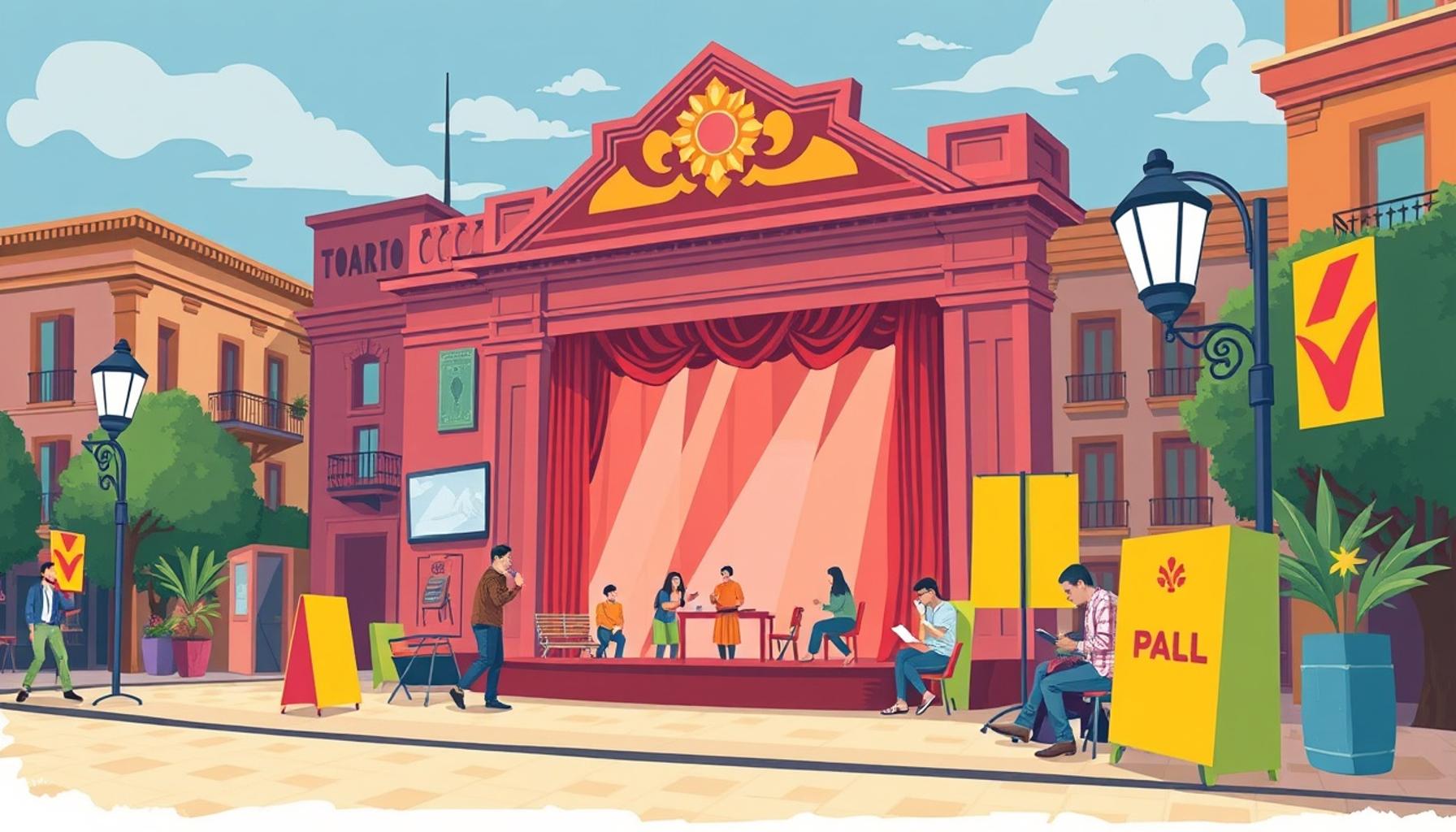
The Interaction between Performing Arts and Digital Technology: New Forms of Engagement and Creation
The Future of Creativity
The fusion of performing arts and digital technology is redefining what it means to create and engage with art. This captivating relationship is not just a passing trend; it represents a fundamental transformation that opens doors to innovative forms of storytelling and performance that were previously unimaginable. As live experiences blend seamlessly with digital enhancements, audiences are invited to participate in ways that revolutionize traditional artistic expressions, reshaping the landscape of cultural consumption.
New Dimensions of Performance
Emerging technologies are not merely tools; they serve as catalysts for creativity, providing artists with unprecedented means to convey their vision. Key innovations include:
- Virtual Reality (VR): This technology enables immersive experiences that transport audiences directly into the heart of a story. For instance, through VR, theatergoers can find themselves in a reconstructed ancient city, witnessing a performance unfold around them from different vantage points, thus creating a personal connection with the narrative.
- Augmented Reality (AR): By enhancing live performances with interactive visuals, AR complements the narrative in real-time. A notable example is a live concert where attendees use their smartphones to see and interact with holographic images of performers that visually augment the music, infusing the event with depth and excitement.
- Streaming Platforms: These technologies have shattered geographical barriers, enabling performers to reach global audiences. Whether it’s a Broadway show streamed live for viewers in California or an intimate cabaret act streamed from a New York venue, artists can now cultivate a worldwide audience, expanding their reach and influence exponentially.
This technological evolution encourages artists to explore unique collaborative opportunities and challenge the norms of performance. Simultaneously, it fosters greater audience engagement, providing interactive experiences that deepen the connection between artist and viewer, transforming passive spectators into active participants.
Impact on the Artistic Landscape
The rise of digital tools is significantly reshaping the landscape of artistic creation. Innovative artists are leveraging technology to:
- Experiment with new mediums: Artists are now blending physical and digital realms, producing sceneries and installations that change depending on audience interaction or evolve over time, thus creating a dynamic art piece.
- Enhance accessibility: The use of technology makes it easier for diverse audiences to engage with art, allowing participation regardless of location. For example, organizations have started offering virtual experiences for individuals unable to attend in person due to health or mobility issues.
- Foster community: Interactive platforms invite feedback and collaboration, building a communal support system for artists and their audiences. Engaging workshops and online forums allow creators to discuss their craft, share insights, and inspire each other across vast distances.
As we delve deeper into this interaction between technology and the arts, the potential for future engagement and creation in the performing arts promises to be as thrilling as it is limitless. The boundaries of creativity are expanding, and the next wave of artists will undoubtedly push these innovations even further, leading us into an era where art is not only witnessed but truly felt and experienced by all.
DIVE DEEPER: Click here to learn more about the impact
Exploring Innovative Fusion
The integration of digital technology into the performing arts has ushered in a new era of artistic expression, transforming how stories are told and experiences are shared. This fusion is not limited to mere enhancements; it actively reshapes the performance landscape, fostering new cultures of engagement that were once thought to be the province of science fiction. As artists continue to push the boundaries of both creativity and technology, the potential for groundbreaking performances expands exponentially.
Engagement Across Different Platforms
Audiences today are accustomed to rich, interactive content outside traditional venues, thanks to the widespread availability of digital media. Performing arts are leveraging these expectations by:
- Combining live and digital performances: Performances are now being designed to utilize platforms like Twitch or YouTube, which allow artists to perform live while interacting with online viewers through chat features. This real-time engagement transforms how performances are constructed, giving artists immediate feedback and shifting the dynamic from a one-sided performance to a two-way conversation.
- Utilizing social media: Artists are engaging in storytelling through platforms such as Instagram and TikTok, creating condensed performances and teases that draw viewers into a larger narrative. This approach not only expands their audience reach but also cultivates a community eager to participate and share in the overall experience.
- Implementing interactive apps: Mobile applications are being seamlessly integrated into performances, allowing audience members to influence the outcome of a story or alter their viewing experience. This gamified aspect of performance art fosters deeper connections, as users feel invested in the unfolding narrative.
These strategies reflect a broader shift towards ensuring that the audience not only witnesses art but also immerses themselves in it, further enhancing the overall experience.
The Role of Technology in Artistic Creation
While audience engagement has transformed through digital technology, the creative process itself has also evolved dramatically. Artists are now:
- Collaborating across disciplines: The fusion of different artistic mediums—such as theater, dance, and digital content—has led to partnerships that produce innovative performances. Dancers, for instance, are working with tech developers to create performances that respond dynamically to audience interaction, redefining choreography.
- Utilizing advanced production techniques: Technologies like projection mapping and digital soundscapes enable creators to develop multi-layered environments that create immersive experiences. These techniques allow for visually stunning performances that transport viewers into entirely different worlds.
- Exploring new genres: Artists are experimenting with genres and performance styles, blurring the lines between theater, gaming, and visual arts. The emergence of multimedia performances has created novel narratives that can captivate audiences in unexpected ways.
This interplay between technology and performing arts not only opens new avenues for artistic expression but also allows creators to explore the essential question of what art can be in a digital age. As the interaction continues to evolve, it promises to enrich both the artist’s toolkit and the audience’s experience, inviting a fresh exploration of creativity.
| Advantage | Description |
|---|---|
| Enhanced Accessibility | Digital platforms allow a wider audience to experience performing arts from anywhere, breaking geographical barriers. |
| Interactive Engagement | Technology allows for real-time audience interaction, enhancing the connection between artists and viewers in ways that traditional formats cannot. |
The amalgamation of performing arts with digital technology presents a transformative landscape, enriching the experience for both creators and audiences. With a remarkable enhanced accessibility, performances can now reach global audiences through live streaming and recorded content. No longer limited to specific locations, art forms are more available to people regardless of their physical location.Moreover, the emergence of interactive engagement is fostering deeper connections. Audiences can now participate in performances through social media, mobile apps, and virtual reality experiences. This interactivity not only allows audience feedback to shape performances but also invites them to be a part of the creative process, fundamentally redefining the role of spectators. As digital technology continues to evolve, the possibilities for these forms of engagement and creation expand, inviting further exploration and innovation in the arts.
EXPLORE MORE: Click here to learn how performance arts can enhance mental health
Redefining Performance Spaces
The advent of digital technology has not only influenced audience engagement and artistic creation but has also dramatically redefined the spaces in which performances occur. The line between traditional venues and virtual stages has become increasingly blurred, creating opportunities for artists and audiences to connect in novel and exciting ways.
Virtual Reality and Augmented Experiences
One of the most transformative advancements in recent years is the use of virtual reality (VR) and augmented reality (AR)</strong) technologies in the performing arts. These technologies enable audiences to enter immersive worlds where they can experience performances from unique perspectives. For example:
- Immersive theater experiences: Companies like Sleep No More have pioneered events where attendees navigate through a maze of staged environments, interacting with performers and the storytelling in real-time. This format creates a deeply personal connection, as each audience member crafts their narrative based on their journey through the performance.
- AR-enhanced performances: Artists are beginning to integrate AR elements into live shows, allowing spectators to see additional layers of storytelling through their smartphones or AR glasses. This can enhance traditional performances by providing a multifaceted understanding of the narrative without overshadowing the live aspect of the show.
The fusion of VR and AR technologies into performance not only serves to captivate audiences but also compels them to rethink their role within the artistic experience. They are no longer mere observers; instead, they become active participants in the unfolding story.
Data-Driven Arts and Personalized Experiences
The rise of big data and analytics in the digital realm also plays a crucial role in shaping the performing arts. Artists are harnessing data to tailor performances more keenly to their audiences. For instance:
- Audience analytics: Through social media platforms and event ticketing services, artists can gather insights about their audience’s preferences and demographics, allowing them to craft performances that resonate on a personal level. This data-driven approach creates a feedback loop where performances evolve based on audience responses.
- Customized performances: Some companies have begun to experiment with personalized showings, where aspects of the performance change based on audience demographics or survey responses collected prior to the show. This customization may range from altering narratives to integrating audience-specific music or visuals, making each performance one-of-a-kind.
This data-driven approach not only enhances the artistic process but also builds a community around shared experiences and tailored storytelling, paving the way for deeper connections between artists and their audiences.
Embracing Global Reach through Digital Platforms
Furthermore, the digital landscape allows artists to break geographical barriers, reaching a broader audience than ever before. Through platforms such as Facebook Live, Zoom, and Instagram Live, performances are no longer confined to physical locations. The implications include:
- Access and inclusivity: Digital access means performances can reach individuals who might not have the opportunity to attend live shows due to distance, disability, or financial constraints. This democratization of access expands the audience base and fosters inclusivity.
- Global collaborations: Artists across the globe can collaborate in real-time, regardless of their physical location. A choreographer in New York can work with a composer in Berlin to create a performance that resonates with diverse cultures and backgrounds, enriching the work with varied perspectives and influences.
This capacity for global collaboration and expanded access reinforces the idea that the future of performing arts lies in the seamless integration of digital technology and traditional artistry, paving the way for a new era of cultural exchange. As technology continues to advance, it is essential for performers and audiences alike to adapt and embrace these innovative possibilities that are transforming the landscape of the arts.
DISCOVER MORE: Click here to dive deeper
Conclusion
The interaction between performing arts and digital technology represents a paradigm shift that unearths fresh avenues for engagement and creativity. As we have explored, the merging of traditional artistry with innovative digital platforms is redefining the very essence of cultural experiences. From the immersive worlds created through VR and AR to the data-driven personalization of performances, artists are now able to connect with audiences on a profoundly personal level.
The significance of this transformation goes beyond mere entertainment. It fosters greater accessibility and inclusivity, allowing diverse audiences to partake in performances that might have previously felt out of reach. By leveraging global platforms, artists can transcend geographic constraints, weaving together a rich tapestry of cultural narratives that celebrates a multitude of voices and perspectives.
As we look to the future, it becomes evident that the collaboration between technology and the performing arts is not merely a trend but a vital evolution in how we create and consume art. Artists and audiences alike must remain open to experimenting with these new tools, continually reimagining what performance can be. Embracing this digital renaissance offers the potential for richer dialogues, deeper connections, and an unparalleled appreciation for the transformative power of the arts. The storytelling methods of tomorrow are being shaped today, and the interplay of performing arts and digital technology is at the forefront of this exciting journey into uncharted territory.
Related posts:
The Importance of Improvisation in Performing Arts: Developing Creativity and Self-Confidence
The Role of Performing Arts in Education: How Theater and Dance Can Enrich the School Curriculum
The Influence of Performance Arts on Mental Health: Therapy through Creative Expression
Community Performances: The Impact of the Arts on Social Cohesion and Local Empowerment
The Role of Performing Arts in Cultural Preservation: Traditions and Innovations
Exploring the Intersection of Dance and Theater: Creating Multisensory Experiences

Beatriz Johnson is a seasoned creative enthusiast and writer with a passion for simplifying the intricacies of artistic hobbies and DIY projects. With over a decade of experience exploring various creative fields, she specializes in topics like crafting, painting, and innovative DIY techniques. Through her work, Beatriz inspires readers to unleash their creativity, try new artistic endeavors, and stay inspired in the ever-evolving world of creative hobbies.