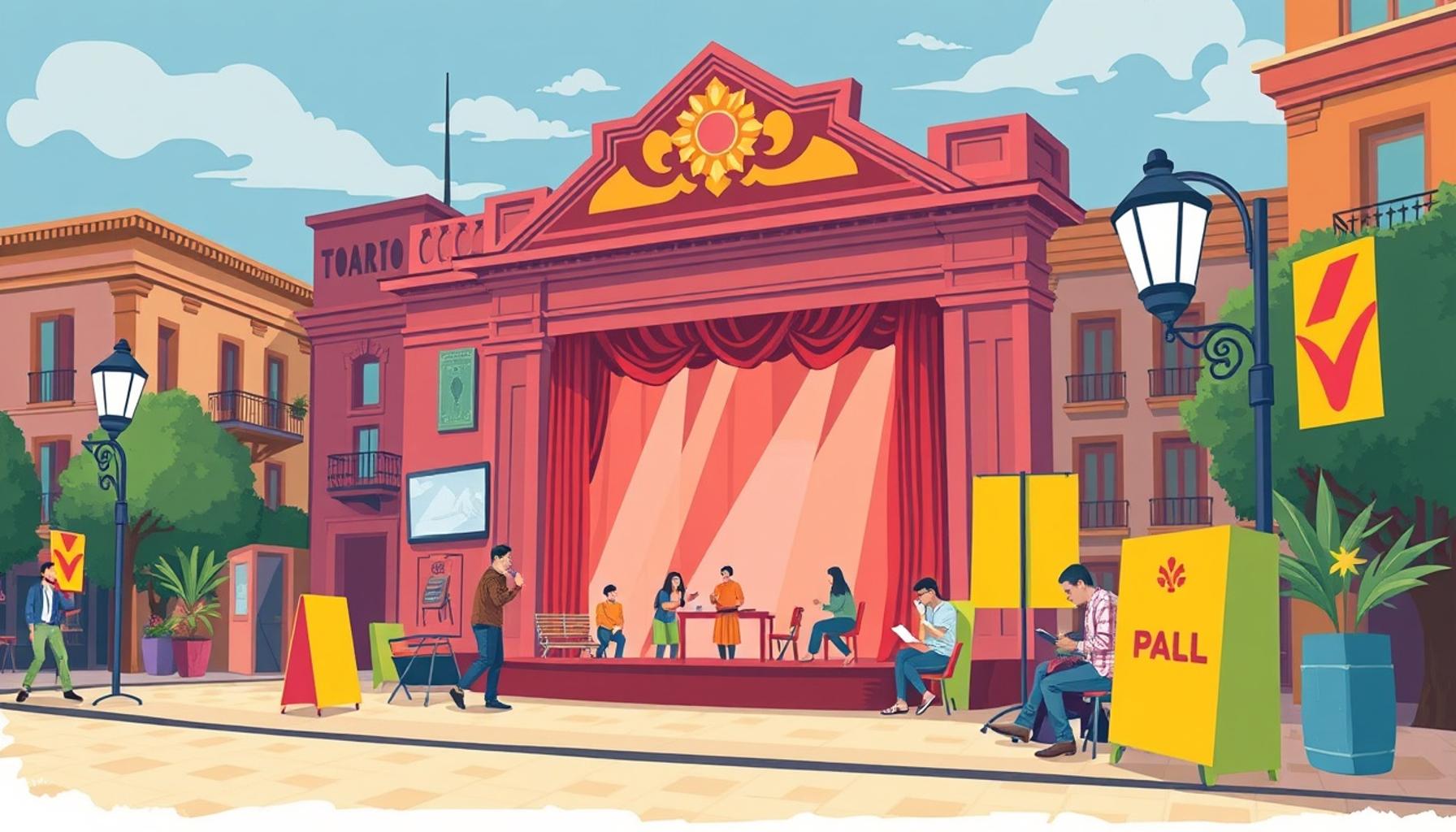
The Role of Performing Arts in Education: How Theater and Dance Can Enrich the School Curriculum
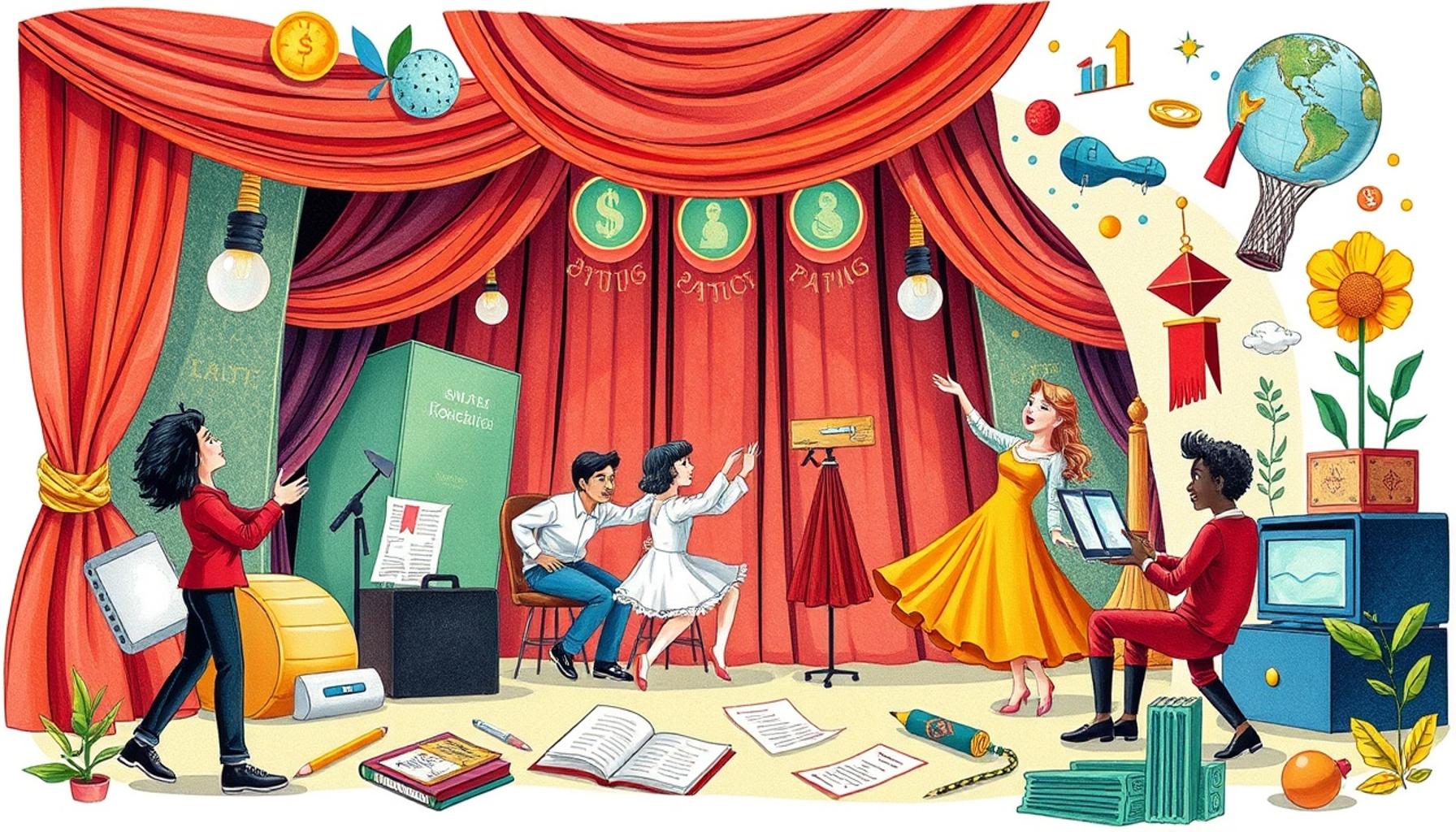
The Transformative Power of Performing Arts in Education
In today’s dynamic educational environment, integrating performing arts like theater and dance goes beyond mere entertainment; it’s a vital strategy for fostering a holistic approach to student development. These creative disciplines serve as potent vehicles for enhancing skills crucial for personal and academic success. By examining the role of performing arts in education, we can uncover their profound influence on enriching students’ emotional and academic experiences.
One of the most significant advantages of incorporating performing arts into school curricula is the enhanced communication skills that students develop. Through theater programs, students learn to articulate their thoughts and emotions effectively, confining not only their spoken word but also their body language. For example, when preparing for a play, students must analyze their characters deeply, leading them to convey emotions and intentions clearly to an audience. These skills translate into better academic presentations and interpersonal interactions, which can be invaluable in their future careers.
Improved confidence is another crucial benefit. Performing in front of an audience requires courage and commitment, which helps students build self-esteem and tackle their fears of public speaking. Participation in school productions often transforms timid individuals into assertive performers eager to share their talents. A vivid illustration of this can be found in schools across the United States that host talent shows, where students showcase their various skills, leading to a boost in self-confidence and the ability to face new challenges.
Additionally, engaging in the performing arts cultivates a sense of community. Cultivating teamwork through group performances teaches students the value of collaboration and trust. Cast members must rely on one another to bring a production to life, creating bonds that often extend beyond the stage, fostering lasting friendships and partnerships. In this way, students learn vital social skills that prepare them for collaborative environments in higher education and the workforce.
The arts also act as catalysts for creative thinking. The process of creating a dance routine or developing a character in a play involves innovative problem-solving and artistic expression. For example, when students are given creative freedom in choreography, they explore various ways to convey themes and emotions, prompting them to think outside the box. This not only heightens their creativity but also nurtures their ability to approach academic subjects with a fresh perspective.
Numerous studies highlight that students involved in the performing arts tend to excel academically. For instance, research shows that students engaged in theater demonstrate higher proficiency in reading and writing, indicating that the arts can enrich the school curriculum. This correlation suggests that a robust arts education can bolster students’ overall educational outcomes, nurturing them into well-rounded individuals capable of thriving in multiple domains.
As educational institutions continue to evolve amidst technological advancements, a pivotal inquiry presents itself: what further innovations can be embarked upon by prioritizing the inclusion of performing arts? By diving deeper into this theme, educators and policymakers have the opportunity to explore new avenues for enriching student experiences, ultimately crafting an educational landscape that prioritizes creativity in an ever-changing world.
DIVE DEEPER: Click here to learn more
The Multifaceted Benefits of Performing Arts in Student Development
The incorporation of performing arts—particularly theater and dance—in school curricula not only enhances artistic capabilities but also positions students to excel across a spectrum of academic subjects. By integrating these forms of expression into the learning experience, educators unlock an array of benefits that contribute to students’ overall growth, making the case for a robust performing arts program even more compelling.
One major aspect is the promotion of emotional intelligence. As students engage in theater and dance, they delve into the psyche of different characters and the emotions associated with them. This process fosters empathy, as they learn to appreciate perspectives outside of their own. For instance, a student portraying a historical figure in a play must research and embody that character’s life experiences, leading to increased understanding of complex social issues. As such, performing arts not only enrich students’ comprehension of literature but also equip them with the skills necessary to navigate a diverse world.
Moreover, the practice of performing arts significantly enhances cognitive abilities. Engaging with complex scripts, choreographic patterns, and rhythmic structures hones critical skills such as reading comprehension, memory retention, and attention to detail. The rigor involved in preparing for a performance—whether it’s memorizing lines or mastering dance sequences—builds neural connections that facilitate higher-order thinking. A striking study by the Arts Education Partnership found that students involved in arts education scored higher on standardized tests compared to their non-arts counterparts, underscoring the academic benefits of the arts.
Beyond cognitive and emotional growth, performing arts play a critical role in bolstering cultural awareness. By interacting with varied genres and styles—from classic Shakespearean plays to contemporary dance forms—students gain insights into different cultural narratives and traditions. This not only broadens their horizons but also instills a sense of appreciation for global diversity. Schools that host international dance festivals or theater productions often foster environments where cultural dialogues thrive, enabling students to share their own backgrounds while learning about others.
As performing arts become increasingly recognized for their educational value, it is essential to highlight specific outcomes that manifest in students who actively participate in these programs:
- Improved Academic Performance: Participation in performing arts programs consistently correlates with higher grades and enhanced test scores.
- Stronger Social Skills: Collaborative projects encourage shared responsibility and communication, building essential relationships among peers.
- Greater Resilience: Students learn to cope with criticism and setbacks, nurturing a growth mindset as they prepare for performances.
In addition to these immediate benefits, the long-term impact of integrating performing arts into education cannot be overstated. As students develop a strong foundation in creativity, collaboration, and communication, they are uniquely equipped to tackle the challenges of an ever-evolving workforce. Employers today increasingly value candidates who possess not just technical expertise but also the soft skills that performing arts cultivate.
As we continue to explore the role of performing arts in education, it becomes evident that these disciplines are not merely adjuncts to the curriculum; they are essential components that shape the future of student learning and development. By embracing and prioritizing the performing arts, educational institutions can create vibrant environments where creativity flourishes alongside academic excellence.
The integration of performing arts, particularly theater and dance, within school curriculums can have a profound impact on student engagement and personal development. By participating in these forms of artistic expression, students hone critical skills such as creativity and collaboration. They also develop an appreciation for cultural diversity as they explore various art forms and narratives from around the world.
The Transformative Power of Theater in Education
Theater not only entertains; it serves as a vital educational tool to immerse students in storytelling and character development. Through role-playing and improvisation, students learn empathy by stepping into the shoes of others and understanding diverse perspectives. This educational technique fosters emotional intelligence, critical for personal and professional success. Furthermore, the act of performing in front of an audience builds confidence and public speaking skills, which are invaluable in today’s communication-driven world.
The Benefits of Dance in Academic Settings
Dance enriches education by merging physical movement with artistic expression. It enhances motor skills and provides an outlet for creativity, allowing students to express their thoughts and emotions through movement. Research demonstrates that dance can improve cognitive development, as it requires a balance of rhythm, timing, and spatial awareness. In collaboration with peers during group dance activities, students develop teamwork and social skills, learning to communicate in ways that words often fall short.Moreover, introducing dance into the curriculum can provide a unique opportunity for students to explore cultural heritage, connect with their history, and appreciate the diverse backgrounds of their peers. This exploration promotes inclusivity and understanding within the school community.By embracing the performing arts as an essential component of education, schools not only cultivate well-rounded individuals but also create an enriched learning environment that prepares students for the complexities of the modern world. As educators recognize the integral role of theater and dance, they pave the way for innovative teaching methods that resonate with the hearts and minds of all students.
DISCOVER MORE: Click here to learn about how the performing arts are promoting sustainability</a
Transformative Experiences Through Performance
The exploration of performing arts in education often leads to unforgettable, transformative experiences for students. These moments, which may initially seem mere exercises in creativity, wield significant influence over interpersonal and intrapersonal development. Through theater and dance, educators can engage students in profound ways that transcends traditional academic boundaries.
Participating in theater can instill not just a passion for performing but also enhance public speaking skills. Students who perform on stage must learn to project their voices, articulate clearly, and convey emotion through body language. This practice cultivates an essential skill set, valuable not just in the arts but in any field requiring effective communication. A 2021 survey by the National Speech & Debate Association indicated that graduates from arts-rich environments found themselves demonstrating heightened confidence during public speaking engagements, a skill that serves them well in interviews, presentations, and everyday interactions.
Additionally, the experience of live performance fosters essential teamwork abilities. Whether backstage as part of a crew or in rehearsals as an actor, students collaborate to bring a shared vision to life. This necessity for collaboration not only enhances the final performance but also reflects real-world situations where teamwork is indispensable. Schools that incorporate performing arts into their curriculum often see a ripple effect of improved collaboration skills, as evidenced by a report from the Arts Council of America, which found that students engaged in performing arts programs reported increased satisfaction in group projects across other academic subjects.
Moreover, performing arts provide a unique avenue for students to express their identities and explore critical social issues through storytelling. The narratives conveyed in theater productions and dance performances often reflect personal and collective experiences that resonate with audiences. This storytelling aspect allows students to address and process complex themes such as identity, mental health, and social justice in a supportive environment. Initiatives like the “Youth Arts Initiative” across various schools in the U.S. have empower students to craft original performances addressing timely societal challenges, fostering dialogue both within and outside their school communities.
In the realm of dance, movement emerges as a powerful medium for physical expression and well-being. Dance education not only nurtures physical health through movement but also stimulates mental wellness by encouraging self-discipline and focus. A study published in the Journal of Dance Education illustrates that students who participate in dance regularly demonstrate lower levels of anxiety and improved self-esteem, highlighting the positive effects of physical arts on overall well-being.
Moreover, performing arts play a vital role in nurturing imagination and creativity, essential skills in today’s rapidly changing world. In a society where innovation drives success, fostering creativity through performing arts becomes paramount. A study by the Educational Testing Service revealed that students exposed to arts education displayed greater creative problem-solving abilities than their peers, affirming that immersive experiences in theater and dance encourage lateral thinking and inventive solutions.
Engaging in the performing arts allows students to experience the thrill of creation and expression in real-time, a stark contrast to the passive consumption prevalent in other educational modalities. Their ability to connect emotionally with characters or narratives positions them to not only perform but also to empathize, innovate, and take risks—key elements that serve them well far beyond the classroom walls.
With these multitude of benefits, there emerges a strong case for reimagining the educational landscape to accommodate comprehensive programs in the performing arts. As schools prioritize not just academic achievement but the holistic development of future leaders, fostering environments where theater and dance thrive will undoubtedly enrich the educational fabric across the nation.
DISCOVER MORE: Click here to learn about the revival of street
Conclusion: Enriching Education Through the Performing Arts
In summary, the integration of performing arts into the school curriculum offers multifaceted benefits that extend well beyond artistic expression. By fostering critical skills such as communication, teamwork, and creativity, theater and dance empower students to thrive both academically and socially. The transformation witnessed through performance allows young individuals not only to strengthen their own identities but also to cultivate empathy and engage in essential societal dialogues, particularly on pressing issues like social justice and mental health.
Moreover, educational institutions that embrace these artistic disciplines can enhance the overall well-being of their students, promoting not just physical health through dance but also boosting mental resilience. Addressing the growing concerns surrounding student stress and anxiety, arts education emerges as a proactive approach to nurture both body and mind. The evidence is clear: students involved in performing arts showcase lower anxiety levels, improved self-esteem, and enhanced problem-solving skills. Such findings underline the compelling need for schools to integrate performing arts as a foundation for holistic development.
As we look to the future, the call remains for educators, administrators, and policymakers to prioritize the arts alongside core academic subjects. The existing frameworks must evolve to create a curriculum that respects and incorporates the transformative power of theater and dance. By investing in the performing arts, we do not merely enhance school experiences; we prepare students to emerge as confident, empathetic, and innovative leaders ready to tackle the complexities of the contemporary world. The journey to a richer, more inclusive educational landscape starts with a renewed commitment to the performing arts.
Related posts:
The Importance of Improvisation in Performing Arts: Developing Creativity and Self-Confidence
Performing Arts and Sustainability: How Groups Are Promoting Environmental Awareness Through Perform...
The Interaction between Performing Arts and Digital Technology: New Forms of Engagement and Creation
Exploring the Intersection of Dance and Theater: Creating Multisensory Experiences
Community Performances: The Impact of the Arts on Social Cohesion and Local Empowerment
The Evolution of Performing Arts: How New Technologies Are Transforming Theatre

Beatriz Johnson is a seasoned creative enthusiast and writer with a passion for simplifying the intricacies of artistic hobbies and DIY projects. With over a decade of experience exploring various creative fields, she specializes in topics like crafting, painting, and innovative DIY techniques. Through her work, Beatriz inspires readers to unleash their creativity, try new artistic endeavors, and stay inspired in the ever-evolving world of creative hobbies.