The Renaissance of Street Theatre: How Performative Arts are Redefining Public Spaces in the Modern Era
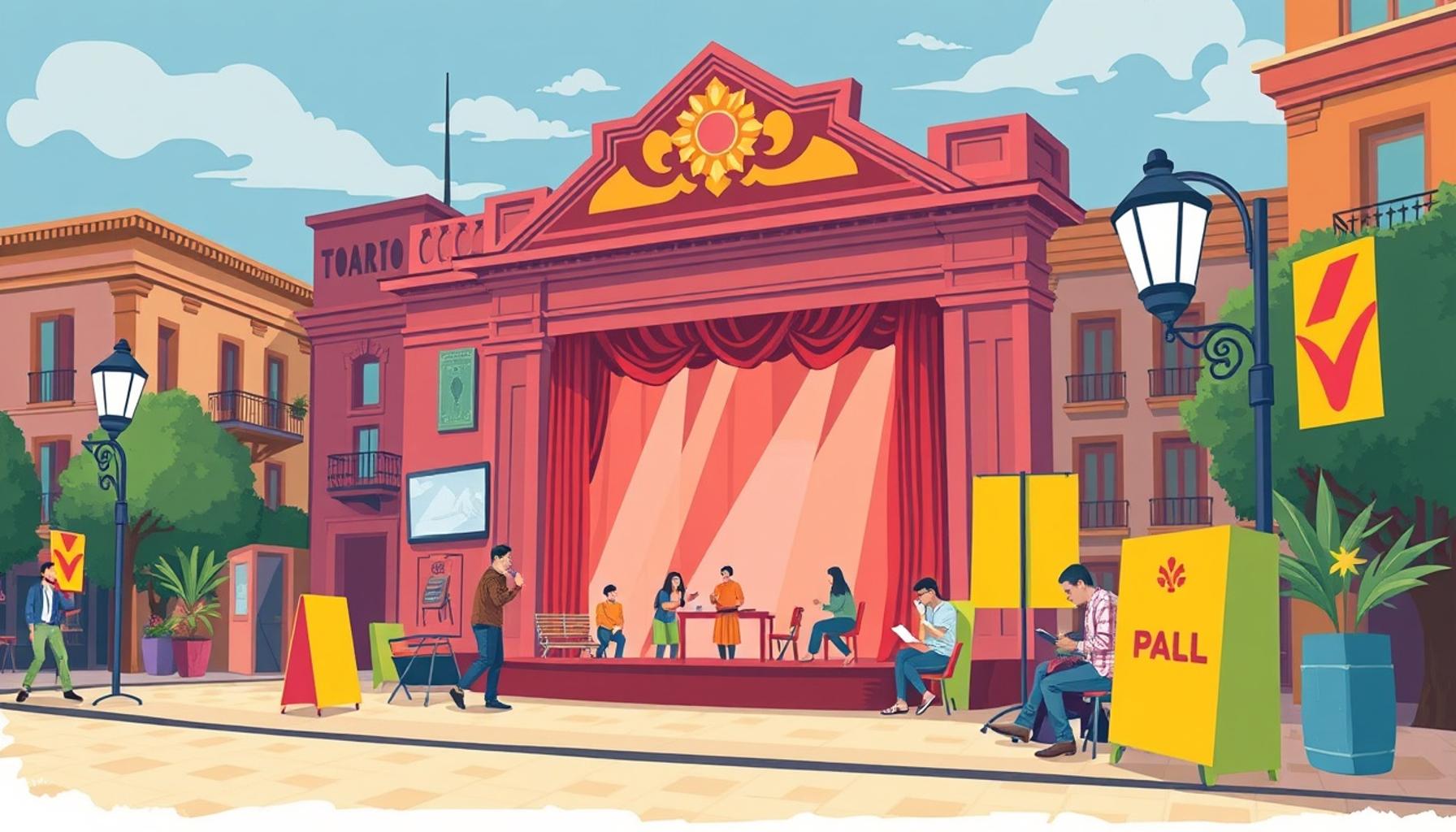
Unleashing Creativity in Urban Spaces
In recent years, street theatre has witnessed a significant revival, transforming urban landscapes into vibrant stages. This revival reflects not only a resurgence in artistic expression but also a cultural movement that redefines the essence of public spaces, creating opportunities for diverse communities to engage with the arts in powerful ways.
Street theatre engages communities through:
- Diverse performances that include everything from classical adaptations to contemporary pieces that resonate with current societal issues. For instance, adaptations of Shakespeare’s works can be seen alongside cutting-edge original pieces that reflect today’s social climate, such as those tackling mental health awareness or climate change.
- Interactive experiences that invite audiences to participate, bridging the gap between performer and viewer. Performers often encourage audience members to join in, creating spontaneous improvisational moments that make each performance unique. This participatory approach is exemplified by groups such as the Theater of the Oppressed, which actively empowers communities to express their voices in the public sphere.
- Accessibility that democratizes the arts, bringing high-quality performances to all, regardless of background. By taking performances out of traditional theater venues and into parks, public squares, and streets, artists ensure that everyone, including those who may not regularly attend theatre, can experience live performance. Events are often free or offered on a donation basis, enhancing public engagement.
This resurgence is evidenced by numerous festivals and local initiatives sprouting across cities in the United States, fostering a renewed interest in the art form. Events such as the Sundance Film Festival often include street performances that challenge societal norms, provoking conversations around complex issues. Similarly, the Philadelphia Fringe Festival showcases innovative performances that meld street art with traditional theatrical elements, promoting artists from a variety of backgrounds.
As artists reclaim public spaces, a new dialogue emerges regarding the role of art in everyday life. The intimate setting of street theatre supports the notion that art can inspire community cohesion, sparking meaningful conversations and provoking thought about the world around us. This dialogic nature of the performances builds connections among audiences, fostering a sense of belonging and shared experience.
Ultimately, this modern renaissance of street theatre is more than just entertainment; it’s a vital reminder of the transformative power of art. By reshaping how we envision and utilize our shared environments, street theatre not only entertains but also cultivates civic engagement, invites reflection, and promotes social change. As urban spaces become canvases for artistic expression, we are encouraged to reflect on our lives, our communities, and the possibilities of creative collaboration. The call to action is clear: step into the streets, witness the unfolding stories, and become a part of this exhilarating movement.
DIVE DEEPER: Click here to learn more
Transforming Urban Culture through Performative Arts
The renaissance of street theatre is not merely a return to form; it is a dynamic response to modern societal needs. Street performances have become a significant cultural phenomenon that intersects art, politics, and community engagement, breathing new life into urban settings across the United States. This metamorphosis underscores the importance of public spaces as venues for artistic expression and highlights how artistic practices can invigorate civic life.
One of the most compelling aspects of this revival is the way street theatre encapsulates a fusion of artistic styles and storytelling methods that resonate with a diverse range of audiences. The following elements are key to understanding the impact of this art form:
- Community Narratives – Street theatre gives voice to local histories, social justice issues, and cultural narratives that are often overlooked in mainstream media. It serves as a platform for marginalized communities to share their stories and experiences, fostering empathy and understanding among audiences. This aspect is evident in productions that depict historical events from underrepresented perspectives, such as the reenactment of local civil rights movements.
- Artistic Collaboration – Street performances often thrive on collaboration, bringing together artists from various disciplines, including dancers, musicians, and visual artists. This intersection of talents not only enhances the performances but also creates a sense of community among the artists themselves. For instance, the intersectional nature of projects like the Manhattan-based Collective Jebon combines traditional Asian performing arts with contemporary forms to create culturally rich experiences.
- Pop-up Performances – These spontaneous performances captivate passersby, transforming the everyday urban environment into a theatre of sorts. Street theatre groups are increasingly employing guerilla tactics, surprising audiences with impromptu shows in subway stations, parks, and plazas, seamlessly integrating art into the fabric of daily life. Notable examples include the New York City-based company, Improv Everywhere, which orchestrates large-scale public pranks that invite laughter and reflection.
As local governments and organizations recognize the value of arts in revitalizing neighborhoods, they are beginning to support street theatre initiatives through funding and permissions. Cities like San Francisco, where the annual San Francisco Fringe Festival showcases a cornucopia of street performances, demonstrate how investment in the arts can stimulate economic growth and community pride. This financial backing signals a public acknowledgment of the vital role that performative arts play in cultural landscapes.
At the heart of this resurgence lies the concept of socially engaged art, which posits that art should be an active participant in societal discourse. Street theatre prompts conversations that are not only entertaining but also critical of contemporary issues such as immigration, climate change, and inequality. By challenging audiences to think critically about these themes, street theatre acts as a catalyst for social change in a way that is immediate and palpable.
As we delve deeper into this renaissance of street theatre, its significance in redefining public spaces becomes increasingly apparent. The art form serves as an expansive canvas where urban life, cultural exchange, and artistic innovation coalesce, creating a richer, more inclusive urban experience. The evolution of these performative arts speaks to a collective longing for connection and expression amidst the complexities of modern life, inviting everyone to engage in this transformative journey.
The modern resurgence of street theatre is not merely an artistic phenomenon; it’s a societal movement reshaping our public spaces and community interactions. As cities grow denser and populations become more diverse, street theatre emerges as a powerful tool for connection, engagement, and reflection.
One of the key aspects of this renaissance is its ability to democratize art. Performing in open spaces, street artists break down the barriers often associated with traditional venues, making art accessible to all. This emerging trend encourages civic participation, prompting individuals from various backgrounds to coalesce in shared experiences, sparking conversations around societal issues, culture, and identity. With performances often addressing relevant themes such as social justice, climate change, and community resilience, street theatre becomes a medium for advocacy and change.
Moreover, the rise of social media amplifies the reach of street performances, allowing artists to connect with a broader audience. This combination of live performance and digital exposure fosters a new realm of interaction, where communities can engage with art in real-time. Artists can share their craft through platforms like Instagram and TikTok, creating a ripple effect that encourages more people to participate in or experience street theatre.
The unique format of street performances invites originality and innovation. Street artists often draw inspiration from their surroundings, making each performance a reflection of the specific location and its history. This connection to place ties the art form to the local community, fostering a sense of pride and belonging among residents. As cities evolve, street theatre adapts, continuing to redefine what public spaces mean in the modern era, transforming streets and parks into vibrant stages that celebrate creativity and community.
In this way, the renaissance of street theatre plays a pivotal role in enhancing urban landscapes and enriching cultural dialogues, making public spaces a canvas for creativity and shared experience. As we delve deeper into this movement, we uncover the myriad ways in which performative arts are not just redefining public spaces, but also altering the fabric of our social interactions and cultural narratives.
| Open Accessibility | Community Engagement |
|---|---|
| Street theatre makes art accessible to everyone, breaking down financial and social barriers. | It fosters connection and interaction among diverse audiences, encouraging civic dialogue. |
| By being performed in public venues, performances reach wider audiences, creating shared experiences. | Many performances tackle relevant social issues, prompting crucial conversations in the community. |
As we explore the intricate tapestry of street theatre, it becomes clear that this dynamic art form is not only reimagining public spaces but also enriching communal ties and inspiring collective action.
DISCOVER MORE: Click here to learn about the impact of performance arts on mental health
Catalysts for Social Change and Community Revitalization
The rebirth of street theatre intertwines not only with artistic expression but also serves as a catalyst for social change within communities. A pivotal aspect of this contemporary renaissance is the ability of street performances to foster dialogue about pressing societal issues, all while dismantling barriers between artist and audience. The direct engagement that street theatre cultivates encourages participation from individuals who may otherwise feel disconnected from the arts, reaffirming the notion that creativity belongs to everyone.
For instance, initiatives such as the Living History Theatre in cities like Detroit and Philadelphia encourage audiences to explore themes of justice and equity through immersive, site-specific performances. Actors often blend their narratives with genuine community experiences, prompting spectators to consider their role in society. Audiences, who initially viewed these performances as recreational events, often leave with a heightened sense of awareness regarding the historical and social contexts being portrayed.
A growing trend in street theatre is the incorporation of interactive elements that urge the public to participate actively. Companies such as Hula Monster in Portland, Oregon, employ techniques ranging from participatory storytelling to dance integrates, transforming spectators into co-creators of art. This blurring of lines between artist and audience not only enriches the viewing experience but also deepens community investment in the arts as a whole.
The impact of street theatre extends beyond ephemeral performances; it can be instrumental in driving economic revitalization in struggling neighborhoods. By infusing art into public spaces, cities can attract tourism and foster local business growth. Programs such as Arts on the Streets in New Orleans witness firsthand how street performances can draw crowds, thereby generating revenue for local vendors while providing artists with opportunities to showcase their work. Evidence suggests that districts featuring vibrant public art scenes experience a significant uptick in pedestrian traffic, effectively revitalizing storefronts and local eateries.
Furthermore, street theatre plays a critical role in reshaping the narrative around urban environments. Public spaces that once served as mere transit points can transition into vibrant cultural hubs when infused with performing arts. The emergence of festivals like the Chicago Shakespeare Theater’s “Shakespeare in the Parks” series exemplifies how these artistic endeavors redefine public spaces, making them accessible venues for education and cultural exchange. Here, the fusion of classical literature and everyday locales invites a wide audience to experience the transformative power of storytelling in settings familiar to them.
As communities harness the power of street theatre, they begin to reclaim public spaces that may feel marginalized or disconnected from social discourse. From empowering individuals to dissect contemporary concerns to revitalizing local economies and cultural landscapes, street theatre serves as a necessary force for positive change. It illustrates that art has the potential to not only entertain but also to inspire critical thought, reflection, and action that resonates within modern society.
This convergence of public performance and community engagement ultimately showcases the resilience of the human spirit. As street theatre continues to flourish, its ability to stimulate dynamic conversations and connect diverse audiences will be crucial in the ongoing evolution of urban cultural scenes throughout the United States.
DISCOVER MORE: Click here to delve deeper
Conclusion: The Lasting Impact of Street Theatre
The renaissance of street theatre marks a significant cultural shift in how we perceive and implement art in public spaces. By dismantling traditional boundaries between performers and audiences, this vibrant movement fosters deeper community connections and engages vital conversations surrounding social issues. From the immersive narratives of Living History Theatre to the participatory experiences championed by groups like Hula Monster, it is evident that street theatre is more than mere entertainment; it is a powerful means of catalyzing change.
Moreover, the economic revitalization seen through initiatives like Arts on the Streets illustrates how integrating arts into public domains can breathe new life into struggling neighborhoods. As districts rich with performances attract foot traffic and encourage local business growth, they contribute to a more sustainable and culturally vibrant urban fabric. The transformation of mundane spaces into dynamic cultural hubs, as demonstrated by the Chicago Shakespeare Theater’s outdoor series, showcases the potential of street theatre to redefine community landscapes and make artistic experiences accessible to all.
As we move forward, it is essential to recognize the role of street theatre in shaping the future of urban culture. Its ability to inspire critical dialogue, foster inclusivity, and stimulate economic growth serves as a vital reminder that arts can play a crucial role in enhancing public life. The ongoing fusion of performative arts and community engagement will undoubtedly continue to evolve, making street theatre an indispensable element of our shared public spaces and a reflection of the collective human experience.
Related posts:
The Importance of Improvisation in Performing Arts: Developing Creativity and Self-Confidence
The Evolution of Performing Arts: How New Technologies Are Transforming Theatre
Community Performances: The Impact of the Arts on Social Cohesion and Local Empowerment
The Role of Performing Arts in Education: How Theater and Dance Can Enrich the School Curriculum
Performing Arts and Sustainability: How Groups Are Promoting Environmental Awareness Through Perform...
The Role of Performing Arts in Cultural Preservation: Traditions and Innovations

Beatriz Johnson is a seasoned creative enthusiast and writer with a passion for simplifying the intricacies of artistic hobbies and DIY projects. With over a decade of experience exploring various creative fields, she specializes in topics like crafting, painting, and innovative DIY techniques. Through her work, Beatriz inspires readers to unleash their creativity, try new artistic endeavors, and stay inspired in the ever-evolving world of creative hobbies.