
Techniques for Sustainable Craftsmanship: Transforming Recyclable Materials into Works of Art
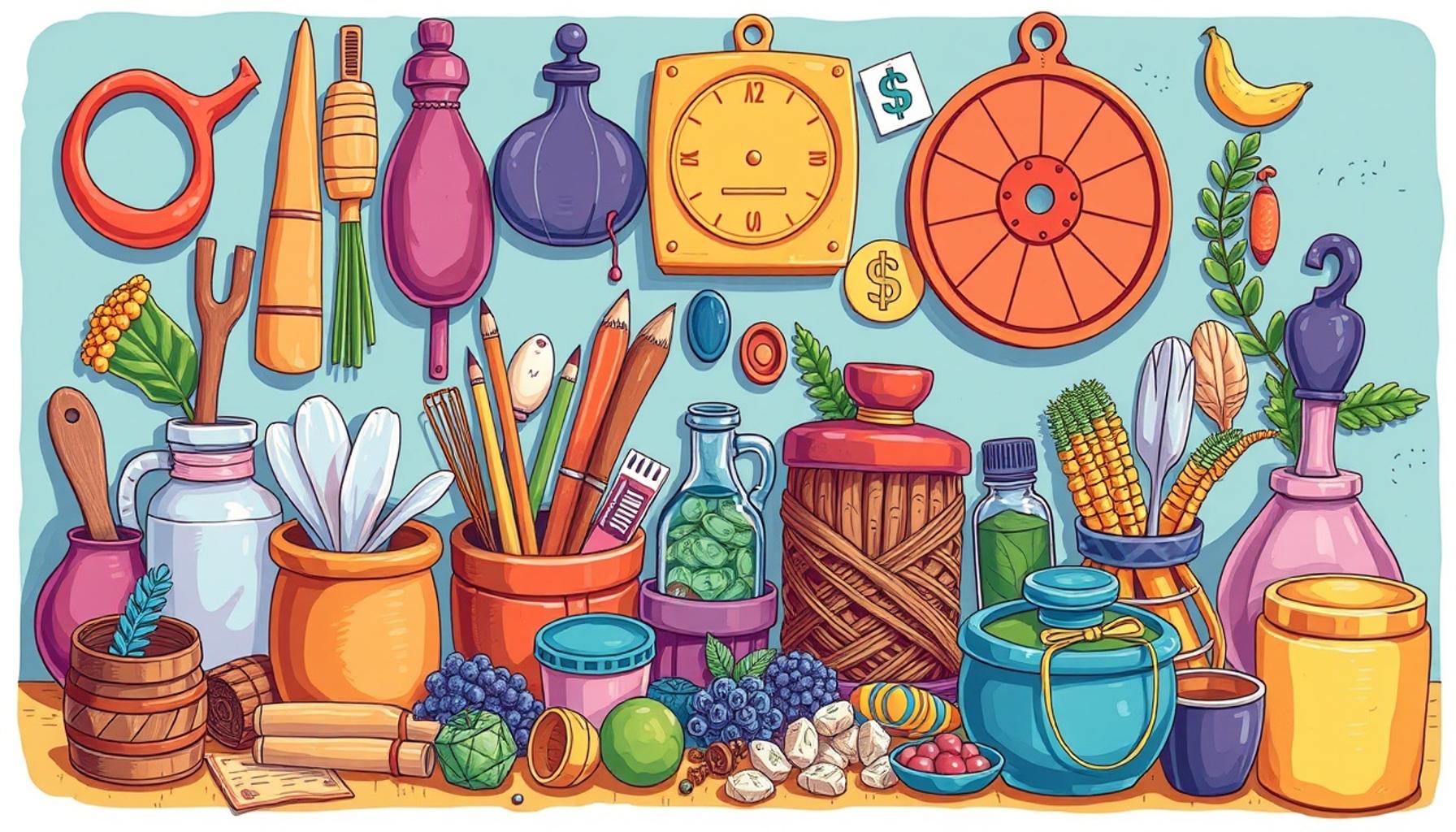
Exploring Sustainable Craftsmanship
In an age where environmental sustainability is paramount, the creative transformation of recyclable materials into exquisite works of art has found a significant audience. This movement not only embodies innovative artistic expression but also nurtures a vital connection with the planet. As environmental awareness rises, artisans across the United States are leveraging their skills to convert waste into valuable items that highlight the importance of eco-friendly practices.
One of the hallmark methods within this movement is upcycling. This involves taking items that would typically be discarded—like old furniture, glass bottles, or even discarded textiles—and reimagining them into functional or artistic masterpieces. For example, a broken chair can be transformed into a striking planter, while remnants of fabric can be stitched together into unique tote bags that tell a story of sustainability. This practice not only keeps waste out of landfills but also encourages consumers to view objects through a new lens of potential and possibility.
Artisans engage with recycled materials to promote innovative design. Artists are turning to sources like reclaimed wood, melted down metals, and repurposed glass to craft everything from stunning sculptures to elegant home décor. A striking example can be found in the work of glass artists who collect discarded glass bottles and reshape them into vibrant light fixtures. This not only gives a new life to items that contribute to pollution but also minimizes the need for new raw materials, effectively reducing one’s carbon footprint.
Furthermore, the use of natural dyes in crafting is surging in popularity. Artisans utilize eco-friendly pigments derived from plants, roots, and other organic sources to infuse color into their creations—whether it be textiles, paper products, or wood finishes. This method not only showcases a commitment to sustainable practices but also often results in breathtakingly rich colors that synthetic alternatives cannot replicate. For instance, using avocado pits for a soft pink hue or turmeric for a vibrant yellow adds to the story and character of each piece.
As these sustainable practices continue to flourish, they reflect a shifting trend where artistry and sustainability become intertwined. By pushing the boundaries of traditional art forms, artisans are not just producing distinctive works but are also significantly contributing to community consciousness around waste and environmental stewardship.
Exploring these various techniques reveals not only the stories behind the art but also the passionate individuals who dedicate their crafts to instilling a greater awareness of our ecological responsibilities. If you are curious about how sustainable craftsmanship can change your perspective on everyday materials, consider seeking out local art shows or workshops. Engaging with these artisans can inspire future creativity and practice, bridging the gap between art and environmental sustainability.
DISCOVER MORE: Click here to delve into the role of reading in writing
Innovative Techniques in Sustainable Craftsmanship
The art of sustainable craftsmanship has become a beacon for creative minds seeking to forge a closer relationship with our planet. In doing so, artisans worldwide are weaving sustainability into the very fabric of their artistic practices. Understanding the innovative techniques they embrace can further ignite interest in the potential of lightweight, previously neglected materials.
One effective technique is collage and assemblage, where artists mix various materials, including paper, metal, and plastics, to create a cohesive work of art. This method highlights the beauty in the mundane and challenges traditional aesthetics. For instance, in a small town in California, an artist has gained recognition for her vibrant murals made of discarded plastics collected from local beaches. By combining these materials into large-scale art pieces, she draws attention to marine pollution while celebrating the colorful textures these items can provide.
Another prominent method is the use of weaving with recycled materials. Artisans are increasingly using materials like strips of old clothing, plastic bags, and discarded rope to create baskets, rugs, and even wall hangings. The inherent challenge lies not only in creating a visually stunning piece but also in repurposing these materials in a manner that highlights their backstories. By weaving discarded items, artisans craft narratives that resonate with viewers, encouraging them to reconsider their own consumption habits.
Alongside these methods, furniture design using reclaimed materials has surged in popularity. Designers are scouring urban landscapes for old pallets, barn wood, and vintage pieces to create stunning furniture that marries sustainability with style. This has led to a boom in businesses focused on crafted furniture that appeals to a growing customer base eager for environmentally conscious choices. A fine example is a workshop in New York City that specializes in taking local salvaged wood and creating bespoke tables, benches, and chairs that not only stand out but also utilize materials that would have otherwise gone to waste.
- Reclaimed Wood Furniture: Unique designs that make use of old barn wood or scraps.
- Textile Weaving: Transforming fabric waste into new artistic pieces.
- Collage Art: Using a mixture of found items to tell stories and provoke thought.
- Functional Art: Items like planters and light fixtures created to serve practical purposes.
By examining these innovative techniques, one can see how sustainable craftsmanship fosters both environmental awareness and artistic expression. These methods not only reduce waste but also cultivate a sense of community as artisans share and teach their skills, creating a ripple effect that inspires others to engage with sustainable practices. The movement towards sustainability in craftsmanship represents not only a trend but a profound cultural shift, inviting everyone to reevaluate their role in the ecosystem of consumption and creativity.
Exploring Innovative Techniques in Sustainable Craftsmanship
Sustainable craftsmanship is evolving rapidly, reflecting a growing awareness of environmental issues. One key aspect is the innovative techniques that artists and artisans employ to breathe new life into recyclable materials. This not only reduces waste but also sparks creativity, allowing for unique and compelling works of art. Techniques such as upcycling, where discarded items are transformed into functional or decorative pieces, play a critical role in this movement.
The Art of Upcycling
Upcycling involves taking materials that would otherwise be thrown away and repurposing them into something valuable. For instance, an old bicycle can become a stunning garden sculpture or a collection of glass bottles can be reimagined as striking table lamps. These transformations not only divert waste from landfills but also showcase the artist’s imagination and skill. They invite viewers to appreciate the beauty inherent in materials that society often overlooks.
Collaboration and Community Workshops
Another essential technique is collaboration among artists. Community workshops encourage people to come together, share ideas, and experiment using recyclable materials. Participants can learn from each other while creating art that reflects their shared experiences and values. Such workshops not only promote sustainable practices but also foster community relationships. They empower individuals to think critically about waste, consumerism, and the impact of their choices.
Integrating Technology in Craftsmanship
Furthermore, technology plays an increasingly significant role in sustainable craftsmanship. Digital fabrication techniques, such as 3D printing with biodegradable materials, allow artisans to create intricate designs while minimizing their ecological footprint. This intersection of technology and artistry opens doors to possibilities previously thought unattainable. Artists can explore new mediums and methods, translating their visions into physical forms with precision and efficiency.In summary, the techniques for sustainable craftsmanship not only enable the transformation of recyclable materials into stunning works of art but also foster a culture of consciousness regarding our environmental responsibilities. The journey of discovery in sustainable crafting is ongoing, urging creatives to continuously explore and innovate. The ramifications of these techniques extend beyond artistry—ushering in a movement toward a more sustainable future.
| Category | Description |
|---|---|
| Upcycling | Transforming waste materials into functional or decorative items. |
| Community Workshops | Gatherings that promote creativity and sustainable practices through collaboration. |
| Digital Fabrication | Utilizing technologies like 3D printing with biodegradable materials. |
Understanding these techniques not only engenders a deeper appreciation for art but also compels individuals to reassess their relationship with the materials they use and discard. The fusion of creativity and sustainability is a vital narrative in the world of craftsmanship today.
DIVE DEEPER: Click here to discover more
Exploring Advanced Techniques for Upcycling
As the world continues to grapple with the ramifications of environmental damage, the art of upcycling has emerged as a key player in sustainable craftsmanship. This practice involves taking discarded or out-of-date materials and transforming them into something of greater value. Upcycling artisans not only express their creativity but also contribute meaningfully to waste reduction, redefining the concept of art in the process.
One evolving technique in this realm is mosaic art, which utilizes broken ceramics, glass, or other shattered materials to create stunning visual landscapes. Mosaic artists venture beyond traditional patterns, experimenting with fragments that might have otherwise ended up in landfills. In urban settings, artists have taken to adorning public spaces with vibrant mosaic murals crafted from salvaged bathroom tiles and glass shards, thereby turning overlooked waste into focal points of beauty and community pride. The intricate designs can provoke thought about consumer habits and the lifecycle of materials, while simultaneously enhancing the aesthetic of neighborhoods.
Another innovative approach to sustainable craftsmanship involves 3D printing with biodegradable or recycled filaments. This technology allows artisans to design unique sculptures, functional items, or intricate decor from materials like recycled plastics or organic products such as cornstarch. In places like San Francisco, artists are pioneering this technology to challenge the notion of conventional sculpture, creating pieces that showcase both artistry and ecological responsibility. These 3D printed works can be customized and made on demand, significantly reducing waste compared to traditional manufacturing methods.
The technique of upcycled jewelry making is flourishing as well, where old electronic components, metal scraps, or discarded beads find new lives as exquisite adornments. Jewelry artisans are designing pieces that tell stories about their previous lives, sparking conversations around sustainability and individual rights within consumerism. For example, a Houston-based artisan recently captured attention with her earrings crafted from decommissioned bike chains and vintage watch parts. This approach not only revitalizes forgotten materials but also promotes a tangible representation of the circular economy.
- Mosaic Art: Transforming broken ceramics and glass into stunning murals and installations.
- 3D Printing: Utilizing biodegradable filaments and recycled plastics to create eco-friendly designs.
- Jewelry Making: Crafting unique pieces from electronic waste and metal scraps to promote sustainability.
- Artistic Lighting: Designing lamps and fixtures from repurposed glass bottles and reclaimed wood, adding character to any space.
The incredible versatility of these upcycling techniques allows artisans to transcend traditional craftsmanship while championing environmental consciousness. These art forms not only exemplify creativity but also provide a counter-narrative to the throwaway culture prevalent in modern society. The dynamic interplay between sustainability and artistry invites everyone to engage with materials in thought-provoking ways, creating a cultural movement rooted in responsible creation. As these practices continue to develop, they equip communities with the tools to foster creativity while protecting the planet.
DISCOVER MORE: Click here to uncover the connection between music and creativity</a
Conclusion: A New Era of Artistry and Responsibility
In summary, the exploration of techniques for sustainable craftsmanship reveals a rich tapestry of creativity woven with ecological mindfulness. From mosaic art that resurrects fragmented materials to striking public displays, to the revolutionary potential of 3D printing with recycled materials, the landscape of upcycling stands as a testament to innovation and dedication to the planet. Additionally, the thriving movement of upcycled jewelry making showcases an ability to transform everyday waste into striking fashion statements.
These artistic endeavors not only contribute to waste reduction, but also provoke critical conversations regarding our consumer habits and the lifecycle of materials. They challenge us to reconsider our relationship with objects and inspire a cultural shift towards sustainability. As we engage with these techniques, we gain a deeper appreciation for the resourcefulness of artisans who breathe new life into what society often sees as mere waste.
As this movement grows, it empowers individuals and communities to adopt a more responsible approach to creation. By integrating art and sustainability, we pave the way for a future where every piece created carries not just beauty, but also a story of consciousness and respect for our shared resources. Collectively, we have the opportunity to redefine value in art and craftsmanship, ensuring that creativity honors the planet and stands as a beacon for future generations.
The next time you consider a discarded object, remember the potential it holds. By supporting upcycling artists and employing these sustainable techniques, we can all play a role in forging a more sustainable world, one beautiful creation at a time.
Related posts:
Sustainable DIY: How to Use Craft Skills to Reduce Waste
The Magic of Ceramics: Exploring Modeling and Firing Techniques for Beginners
The Art of Embroidery: Techniques and Projects to Add Unique Details to Your Creations
Digital Craftsmanship: How Technology is Transforming Handicrafts into New Forms of Creativity
The Therapeutic Impact of Crafting: How Manual Skills Help Mental Health
The Evolution of Manual Skills: How Craftsmanship Is Making a Comeback

Beatriz Johnson is a seasoned creative enthusiast and writer with a passion for simplifying the intricacies of artistic hobbies and DIY projects. With over a decade of experience exploring various creative fields, she specializes in topics like crafting, painting, and innovative DIY techniques. Through her work, Beatriz inspires readers to unleash their creativity, try new artistic endeavors, and stay inspired in the ever-evolving world of creative hobbies.


