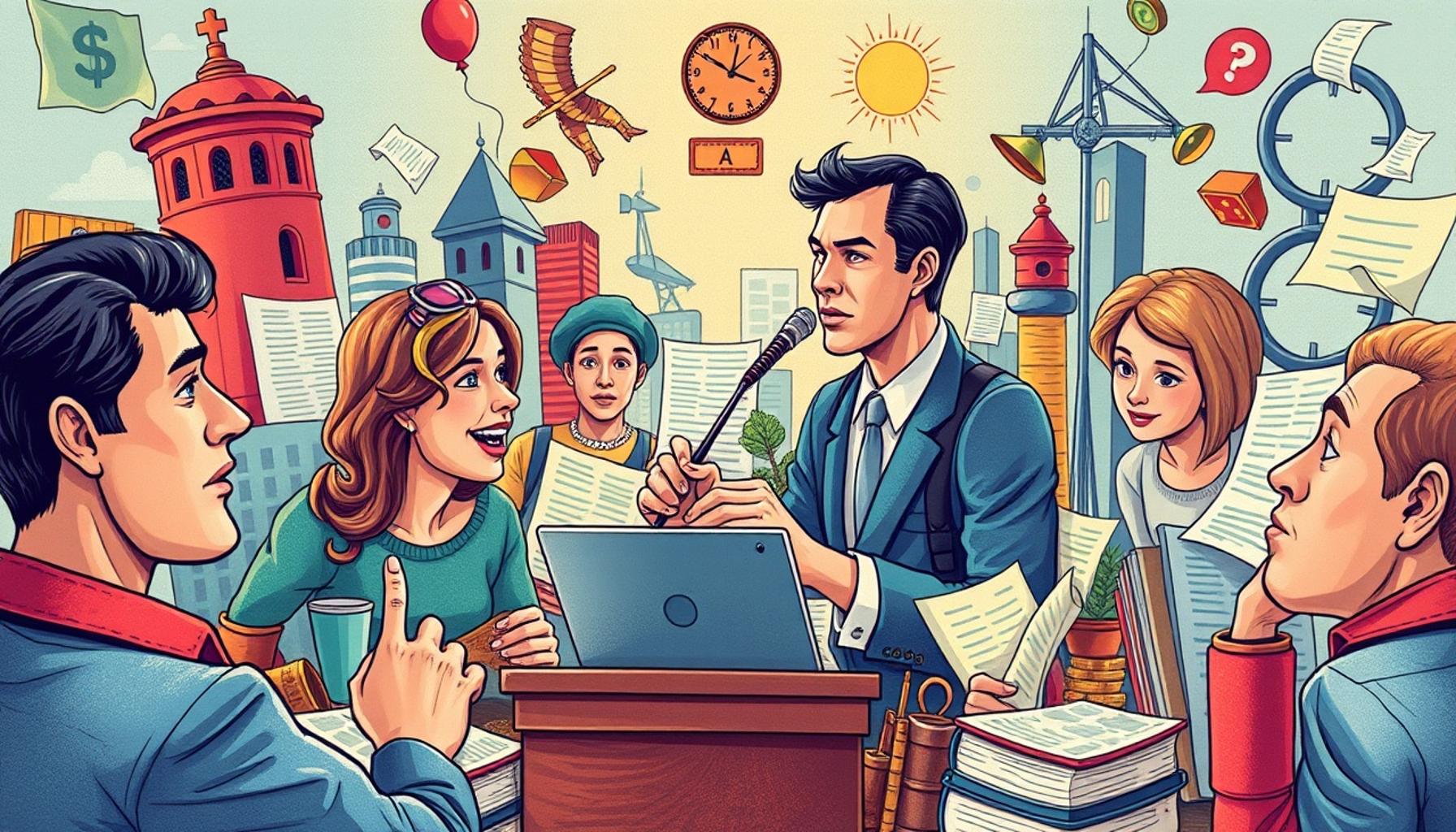
The Intersection of Visual and Performative Arts: New Frontiers in Artistic Creation
Exploring Artistic Boundaries
The world of art is constantly evolving, pushing the limits of creativity and expression. At the forefront of this evolution is the fascinating convergence of visual and performative arts, where boundaries blur and new forms of artistic creation emerge. This intersection not only challenges traditional definitions but also opens exciting avenues for innovation.
Key Features of This Intersection
- Collaboration: Artists from different disciplines are coming together, merging techniques to create multi-dimensional experiences. For example, interdisciplinary projects often involve choreographers working alongside sculptors to create immersive installations that transform a gallery space into an interactive dance floor.
- Technology Integration: Advancements in technology enhance both visual and performative art forms, expanding the possibilities of interaction. Take, for instance, the use of augmented reality (AR) in performances, where audiences can interact with digital projections that respond to their movements, creating a seamless blend of the physical and digital realms.
- Audience Engagement: Performative elements invite audiences to participate actively, altering their role from passive observers to engaged participants. Interactive art pieces, such as those exhibited at the famous Burning Man festival, allow attendees to not only view the art but also to affect its outcome, thus deepening their connection to the artwork.
Notable examples of this trend are evident in contemporary art movements across the United States. In cities like New York and Los Angeles, galleries and theaters are increasingly hosting events that fuse dance, theater, and visual installations. Works such as the immersive theater production “Sleep No More,” which integrates dance and set design within a narrative framework, exemplify how audience participation is woven into the fabric of storytelling, raising profound questions about the future of art and its potential to reflect societal changes.
Why It Matters
Understanding this dynamic relationship enriches our appreciation of both art forms. It challenges us to rethink how we view art and consider its role in contemporary society. As these new frontiers expand, the possibilities for artistic creation become virtually limitless. For instance, the growing trend of socially engaged art sees artists addressing pressing issues such as climate change or social justice, effectively using their craft to provoke dialogue and inspire action.
As viewers, delving into this evolving landscape allows us to experience art in unprecedented ways. Not only does it encourage appreciation for diverse artistic expressions, but it also empowers us to become part of the conversation surrounding art’s role in shaping our understanding of the world. This evolving narrative in the arts thus not only reflects current events but also trends towards an inclusive future, inviting everyone to partake in the ever-expanding dialogue of creativity.
DIVE DEEPER: Click here to discover the magic of ceramics
Expanding Artistic Horizons
As artists venture into unexplored territories of expression, the intersection of visual and performative arts unfolds new horizons that resonate with contemporary audiences. This fusion not only provokes thought but also emboldens artists to redefine the boundaries of creation, often resulting in transformative experiences that integrate multiple sensory inputs. By embracing realism through abstraction and movement, this melding of art forms invites innovation and reflection on the nature of experience itself.
Trends Shaping Collaborative Art
Collaboration is at the heart of this artistic revolution, catalyzing projects that take on a life of their own. Across the United States, collaborations between visual artists, dancers, and theatre performers yield rich, immersive experiences that engage audiences on multiple levels. Here are some notable trends driving this shift:
- Cross-Disciplinary Education: Educational institutions are increasingly fostering interdisciplinary programs that allow artists to develop skills across various mediums. Students in major cities, such as San Francisco and Chicago, find themselves in programs that blend traditional visual arts training with performance techniques, resulting in a new generation of artists that think outside the box.
- Site-Specific Installations: Artists are transforming non-traditional spaces into dynamic stages for their work. By utilizing existing architecture as a canvas for performance, they create relationships between the physical world and artistic expression. For instance, the rooftop performances during the warmer months in New York City provide a spectacular view—not just of the horizon, but of the art being created amidst the urban backdrop.
- Community Engagement: The role of audience participation is essential, as many art projects invite community involvement. This not only generates an energy that elevates the work but also bridges the gap between the artist and viewer, encouraging a dialogue that’s crucial for its context. Events like the immense public art installations at the annual Coachella Music Festival exemplify how large crowds interact with art, blurring the line between observer and participant.
Moreover, organizations like the Institute of Contemporary Art in Boston and the Mass MoCA provide platforms for artists to showcase these interactive works, facilitating dialogues about how art and performance can harness collective consciousness. As such, the relationship between artist and spectator naturally evolves; performers today are not merely entertainers but conduits for shared experiences that amplify social messages.
Artistic Experimentation and the Role of Technology
Technological breakthroughs further propel this intersection of visual and performative arts. With the advent of multimedia installations and virtual reality, artists have access to tools that extend beyond conventional mediums. Cutting-edge examples, like the immersive theater experience in Los Angeles called “The Speakeasy,” demonstrate how digital projections, live performance, and audience involvement can coalesce to create a comprehensive narrative experience that engages all participants.
Ultimately, as artists from diverse backgrounds continue to collaborate, the frontiers of artistic creation will expand exponentially. This evolution not only redefines the traditional roles inherent in both visual and performative arts but also encourages active participation, fostering a vibrant ecosystem where creativity flourishes uncontrollably. As we embrace this melding of forms, the possibilities for future artistic journeys seem boundless.
The Intersection of Visual and Performative Arts: New Frontiers in Artistic Creation
As we delve deeper into the intersection of visual and performative arts, we uncover a vibrant landscape where creativity flourishes in innovative forms. Artists are now defying traditional boundaries, merging these disciplines to create experiences that engage the senses and provoke thought. This confluence not only highlights the individual artistry involved but also fosters collaborative practices that push the limits of what is possible.
One prominent example is the use of technology in artistic expressions. Interactive installations frequently merge visual arts with performance elements, inviting audiences to become active participants rather than mere spectators. Virtual reality (VR) and augmented reality (AR) have revolutionized how we perceive and experience art, immersing the viewer in alternate realities where visual narratives unfold alongside live performances.
Moreover, artists are exploring themes of identity and cultural heritage through these combined mediums. Performances often draw upon visual storytelling, involving multimedia displays that evoke powerful emotional responses. Such approaches not only engage audiences on multiple levels but also open dialogues about societal issues, transforming art into a vehicle for social change.
This evolving relationship between visual and performative arts reflects a broader cultural shift towards holistic experiences and the exploration of new frontiers in artistic creation. As artists continue to experiment with form and content, we can anticipate a future rich with innovative artistic expressions that challenge perceptions and expand definitions of art itself.
| Advantages of Artistic Intersection | Description |
|---|---|
| Innovative Collaboration | Merging visual and performative elements encourages artists to break free from traditional constraints, fostering groundbreaking collaborations. |
| Enhanced Audience Engagement | Interactivity invites audiences to immerse themselves in the art, creating memorable experiences that captivate and inspire. |
| Cultural Commentary | These art forms often convey powerful messages about society, identity, and tradition, prompting important discussions among viewers. |
As we navigate these new horizons, the fusion of visual and performative arts presents exciting opportunities for both artists and audiences alike. Embracing this dynamic interaction is essential for the ongoing evolution of artistic expression in our modern world.
DIVE DEEPER: Click here to discover the art of letter writing
Bridging Cultures through Collaborative Narratives
As the world becomes increasingly interconnected, the intersection of visual and performative arts serves as an artistic means to bridge cultures and narratives. Artists are harnessing their creative power to explore diverse stories and traditions, blending techniques and styles from different ethnic backgrounds. This cross-cultural exchange not only enriches the artistic landscape but also provides a platform for underrepresented voices. For instance, the annual New York City Arts Festival showcases a multitude of genres that celebrate multiculturalism, fostering dialogue and understanding among disparate communities.
Innovative Approaches to Storytelling
At the forefront of this artistic evolution are innovative methods of storytelling that transcend traditional mediums. Participatory theater, for example, requires audiences to engage with the performance actively, prompting them to think critically about their role in the narrative. Companies such as The Living Theatre in New York spearhead these efforts by inviting spectators to interact with actors, effectively merging performer and spectator into a single cohesive body. This engagement creates a sense of collective ownership over the narrative, empowering audiences to become active participants in the unfolding story.
Furthermore, artists are blending visual elements into performative storytelling. Interactive projections, used in works by artists like Rafael Lozano-Hemmer, reshape the viewing experience by allowing audiences to influence the artwork through their presence. This engagement blurs the gap between the visual and performative, transforming static installations into dynamic conversations. In this way, visual art can become a living, breathing entity rather than a mere object to be observed.
The Role of Social Media in Artistic Expression
In addition, the impact of social media cannot be overlooked when discussing the intersection of visual and performative arts. Platforms such as Instagram and TikTok have emerged as vital spaces for artists to share their work, experiment with new forms, and engage with their audience in real-time. Online performances and virtual exhibitions can now reach global audiences, thereby amplifying the potency of artistic expressions. Artists like Marina Abramović skillfully employ these avenues to create immersive experiences that transcend geographical limitations, bringing forth conversations on important social issues through visual and performative mediums.
As institutions adapt to the digital age, artists and educators are increasingly utilizing online platforms to collaborate, educate, and showcase work. Programs such as Art21 provide resources that democratize art education and encourage participation in artistic creation from individuals across the globe. The ability to share, engage, and critique in real-time promotes a culture of collaborative creation that not only enhances artistic forms but also reflects a growing awareness of global interconnectedness.
Unconventional Spaces and Social Issues
Moreover, unconventional spaces are becoming essential for unveiling pressing social issues through the mixed lenses of visual and performative art. Activist art projects that take place in public spaces, like those by Rashid Johnson and Shirin Neshat, challenge societal norms while simultaneously engaging passersby in discourse. Art installations in parks or abandoned buildings serve not only as a canvas for expression, but as a platform to ignite conversations on identity, race, and gender. This strategic placement of art within the community fosters an environment where dialogue can flourish and promotes activism within artistic practice.
This dynamic and evolving landscape highlights how the intersection of visual and performative arts is reshaping our understanding of what art can be and who can be an artist. As artists forge new pathways in expression, the potential for meaningful connections across cultural divides expands, paving the way for future generations to explore and innovate within this vibrant artistic terrain.
DIVE DEEPER: Click here to discover more
Conclusion: Embracing a New Artistic Horizon
The intersection of visual and performative arts represents an exhilarating frontier in artistic creation, where boundaries are continually pushed, and innovative expressions emerge. As artists collaborate across disciplines, they not only enrich their own practices but also foster a cultural dialogue that resonates deeply in today’s diverse society. By merging visual storytelling with performative engagement, creators are redefining traditional art forms, breathing new life into narratives that challenge and inspire.
Social media platforms, now vital for sharing art, further democratize access to the creative process, enabling artists to reach global audiences while inviting direct participation. This shift not only amplifies artistic voices but also creates opportunities for real-time interactions that were unimaginable just a few decades ago. Moreover, the use of unconventional spaces for art invites public engagement with pressing social issues, transforming everyday environments into vibrant sites of discourse and reflection.
As we witness this dynamic evolution, it is essential to recognize the potential for the intersection of visual and performative arts to create meaningful connections across cultures and identities. Future generations of artists will undoubtedly continue to explore these blurred lines, innovating methods that further enhance creative collaboration and challenge the status quo. In this ever-expanding artistic landscape, one thing remains clear: the journey of exploration and expression is only just beginning, inviting us all to engage, reflect, and participate in this vibrant dialogue.
Related posts:
Performing Arts and Sustainability: How Groups Are Promoting Environmental Awareness Through Perform...
Community Performances: The Impact of the Arts on Social Cohesion and Local Empowerment
The Evolution of Performing Arts: How Theater Reflects Modern Society
The Renaissance of Street Theatre: How Performative Arts are Redefining Public Spaces in the Modern ...
The Importance of Dance in Creative Expression and Mental Health
The Role of Performing Arts in Education: How Theater and Dance Can Enrich the School Curriculum

Beatriz Johnson is a seasoned creative enthusiast and writer with a passion for simplifying the intricacies of artistic hobbies and DIY projects. With over a decade of experience exploring various creative fields, she specializes in topics like crafting, painting, and innovative DIY techniques. Through her work, Beatriz inspires readers to unleash their creativity, try new artistic endeavors, and stay inspired in the ever-evolving world of creative hobbies.