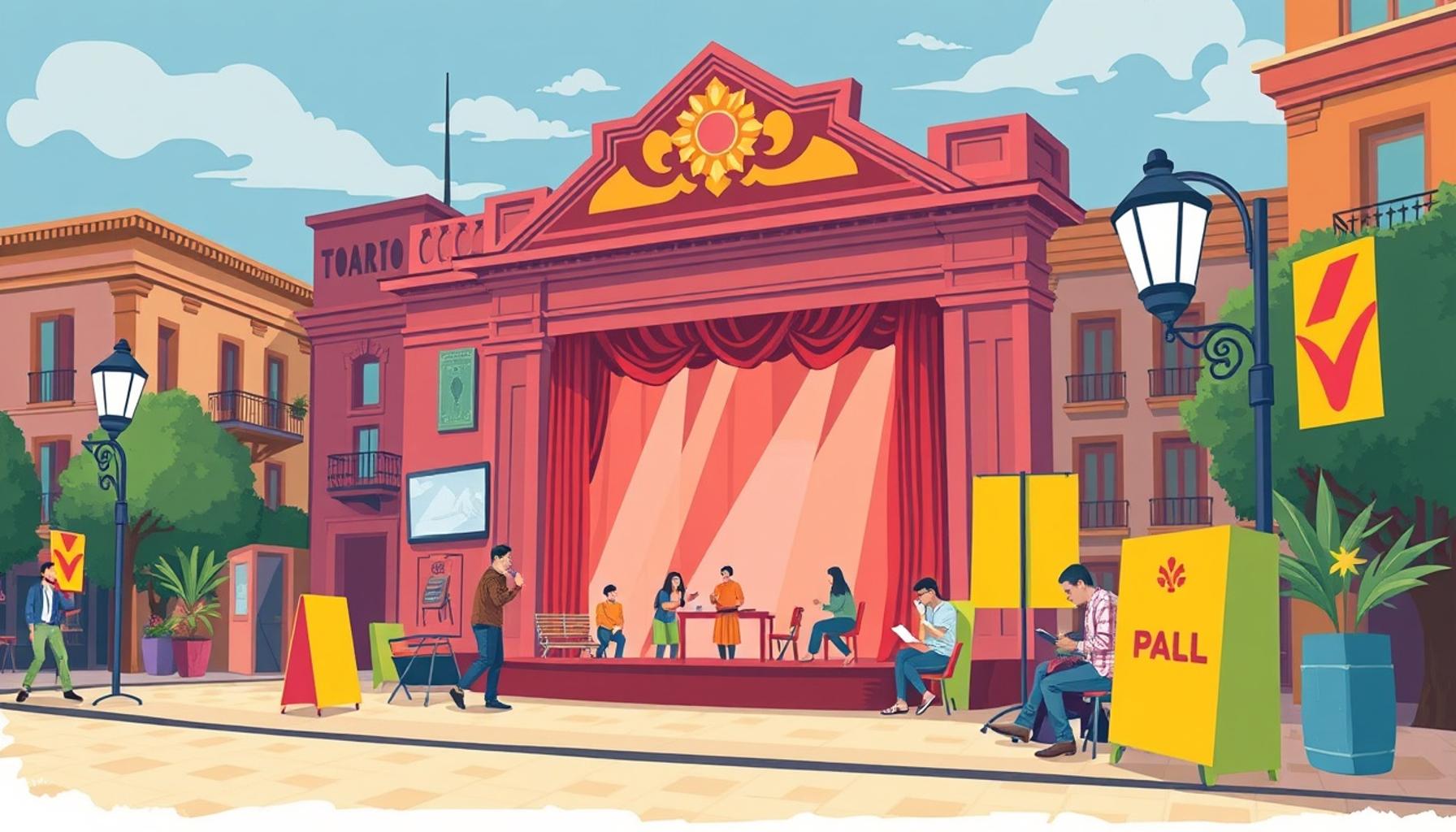
Community Theatre: How the Performing Arts Strengthen Social Bonds and Local Identity

The Vibrant Role of Community Theatre
Community theatre stands as a vital element within the cultural landscape of towns and cities across the United States. It not only serves to entertain audiences but acts as a catalyst for creating social bonds and nurturing a distinctive local identity. By bringing together individuals from diverse backgrounds, community theatre cultivates a shared artistic vision that resonates with the unique experiences and values of its participants and audience members alike.
Participation at All Levels
One of the hallmarks of community theatre is its open invitation to anyone interested in participating, regardless of experience. From seasoned actors with previous credits to first-time performers testing the waters of their talent, the community stage is a welcoming place. This inclusivity empowers individuals to step out of their comfort zones, with local productions such as “The Vagina Monologues” empowering women to explore their voices, while classic musicals like “Annie” bring families together on stage.
Collaboration Across Generations and Cultures
Community theatre thrives on collaboration, which often spans multiple generations and cultural backgrounds. This interaction is emblematic of the country’s rich tapestry of cultures. For instance, a production of “West Side Story” may include actors and crew members with different ethnicities, offering a space for understanding and dialogue about the dynamics of urban life and identity. By working towards a common goal, these individuals learn from one another and build lasting friendships.
Authentic Storytelling
At its core, community theatre elevates local storytelling, showcasing the unique regional history and culture of a place. In towns like Cape May, New Jersey, community productions may highlight the area’s Victorian heritage through themed performances. Meanwhile, rural theatres might create narratives centered around farming traditions, while urban groups may tackle contemporary societal issues, reflecting the community’s heartbeat. These performances not only entertain but also serve to educate audiences about their own history and cultural legacy.
Addressing Important Social Issues
Beyond entertainment, community theatre has the power to engage with pressing social issues, using artistic expression to promote dialogue. Productions often address themes of diversity, encouraging acceptance and representation on stage. An example is plays that actively include characters from various racial and ethnic backgrounds to reflect the community’s demographics. Similarly, many theaters have taken a stand on topics such as mental health, LGBTQ+ rights, and environmental concerns—shed light on the narratives that often remain marginalized.
The Impact of Engagement
Through these productions, community theatre not only entertains but also strengthens community engagement. Conversations sparked by post-show discussions or facilitated panels can lead to action within the community, encouraging residents to voice their concerns and work toward solutions. For instance, after a performance that tackles homelessness, audience members may feel prompted to volunteer at local shelters or discuss advocacy efforts in their neighborhoods.
In conclusion, community theatre plays an indispensable role in shaping local identity and fortifying connections among residents. Its vibrant presence encourages engagement, fuels pertinent conversations, and celebrates the rich cultural landscapes of communities. As audiences leave the theatre, inspired and enlightened, the next act of community-building begins—beyond the stage, in the very heart of their communities.
DIVE DEEPER: Click here to learn more
Fostering a Sense of Belonging
At the heart of community theatre lies the transformative power to create a sense of belonging among its participants and audiences. This inclusive environment offers a space for individuals to connect, share, and collaborate, fostering essential interpersonal relationships that extend beyond the stage. By encouraging participation from all walks of life, community theatres establish a foundation of trust and support, becoming a microcosm of the wider community they represent. The very act of working together towards a shared artistic goal not only strengthens individual identities but also leads to a collective identity that reflects the values and aspirations of the community itself.
Enhancing Leadership Skills and Confidence
Participation in community theatre plays a crucial role in enhancing personal development. It provides opportunities for individuals to take on various roles, from acting and directing to set design and stage management. These experiences help cultivate valuable leadership skills and boost self-confidence. Participants learn to express themselves creatively, which fosters a sense of accomplishment and pride. For youth involved in local productions, these experiences can be particularly formative. Programs often incorporate mentorship, allowing seasoned actors to guide newcomers, which further solidifies social bonds and encourages the sharing of knowledge.
Building Lasting Relationships
The collaborative nature of community theatre naturally leads to the formation of lasting friendships. As artists join together for rehearsals and performances, they share not only their talents but also their personal stories, challenges, and triumphs. This environment nurtures deep connections, as people discover common threads that unite them. Research has shown that social networks play a significant role in enhancing mental well-being, and community theatre effectively promotes these crucial social interactions. The friendships forged during productions often transcend the theatre, leading to long-lasting support systems within the community.
Promoting Volunteerism and Civic Engagement
Community theatre frequently serves as a springboard for civic engagement. Many participants become inspired to get involved in local initiatives, whether through volunteering for other community projects, advocating for various social causes, or even running for local office. The skills gained through theatre participation, including communication and public speaking, translate into heightened civic involvement. Community theatres often encourage this growth by hosting events and workshops that connect the arts with areas such as environmental awareness, education, and public health. This multi-faceted approach creates strong ties between the theatre and the community it serves.
Engaging Audiences and Building Loyalty
A crucial element of community theatre is its ability to bring people together through shared experiences. Audiences that attend local productions often develop a sense of loyalty to their local theatre and its mission. Here are a few ways community theatre engages its audiences:
- Diverse Programming: By offering a broad range of genres and themes, community theatres attract a wide audience, addressing various interests and age groups.
- Community Events: Special happenings, such as opening night dinners or meet-and-greet events with the cast, foster a sense of connection and ownership among audience members.
- Feedback and Participation: Many community theatres actively seek feedback from their audiences, creating a dialogue that allows individuals to feel their voices are valued.
In summary, the vibrant realm of community theatre not only entertains but also nurtures invaluable social connections and a strong local identity. By fostering participation across generations, cultures, and experiences, these theatres play a pivotal role in shaping community engagement and collaboration.
The Role of Community Theatre in Fostering Social Connections
Community theatre serves as a vibrant hub for local engagement, offering a unique platform where residents can come together, share their stories, and collaborate on creative projects. These productions not only entertain but also lay the foundation for social cohesion within neighborhoods. By participating in the arts, whether as an actor, crew member, or audience member, individuals develop a deeper sense of belonging. This involvement leads to the formation of friendships that might not have occurred otherwise, effectively weaving a tight-knit community fabric.Furthermore, community theatre often addresses local issues, aiming to reflect and challenge the societal narratives that define a neighborhood. Productions can spotlight the community’s history, struggles, and triumphs, enabling residents to take pride in their shared identity. The result is a collective memory that enhances local identity, fostering an environment where diverse voices are celebrated. Additionally, participation in performances encourages collaboration and teamwork, teaching valuable life skills such as communication, empathy, and conflict resolution. These skills are essential for not only personal growth but also for nurturing strong relationships among community members. The theatre becomes a catalyst for change, inviting discussions that engage a wider audience in important social dialogues, thereby further strengthening communal bonds.
Benefits Beyond Entertainment
Engagement in community theatre can also yield numerous benefits for mental health and well-being. Studies indicate that creative expression can alleviate symptoms of anxiety and depression, providing an outlet for individuals to express their feelings and experiences. In this safe environment, participants can explore complex emotions, making sense of their lives through storytelling. Moreover, community theatre often fosters inclusivity, as it welcomes individuals from varied backgrounds, ages, and abilities. This diverse participation enriches the artistic outputs, leading to more nuanced storytelling that resonates with a broad audience. The power of art lies in its ability to unite and educate, and community theatre embodies this principle by bridging gaps between different community segments, promoting understanding and respect among varying perspectives.As community theatres continue to flourish, their impact on societal transformation must be recognized. They are not merely venues for performances; they are essential spaces that bolster social ties and reiterate the value of local identity. Each production serves as an opportunity to amplify local voices, reinforcing the idea that community involvement in the arts is pivotal for fostering a collaborative spirit that benefits everyone.
| Advantages of Community Theatre | Key Features |
|---|---|
| Social Connectivity | Fosters friendships through collaboration and shared experiences. |
| Cultural Reflection | Addresses local issues and celebrates the community’s history. |
| Mental Well-Being | Creative expression can alleviate anxiety and promote positivity. |
| Inclusivity | Welcomes diverse participants, enriching community narratives. |
DISCOVER MORE: Click here to learn about the transformative power of the arts</p
Art as a Catalyst for Cultural Reflection
Community theatre serves not only as a space for performance but also as a potent medium for artistic expression that reflects the unique cultural identity of its locality. Through storytelling, these productions often highlight the values, challenges, and narratives that resonate deeply with community members. Local playwrights and performers draw inspiration from their environment, transforming personal and collective experiences into relatable content for the stage. This authentic representation encourages audiences to engage with their social realities and fosters a deeper understanding of each other’s backgrounds and perspectives.
Amplifying Voices of Marginalized Groups
One of the most significant contributions of community theatre is its ability to amplify underrepresented voices within society. Productions can address pressing social issues, such as racial inequality, gender identity, and economic disparity, creating an invaluable space for dialogue and healing. These performances can help to demystify stereotypes and challenge perceptions, allowing audiences to empathize with experiences that might be foreign to them. In cities across the United States, community theatres have successfully tackled important themes, from immigration stories in California to historical narratives of civil rights in the South. The power of storytelling in community theatre acts as a bridge, fostering mutual respect and understanding among diverse populations.
Creating Economic Opportunities
In addition to their social impact, community theatres contribute to the local economy by creating jobs and attracting tourism. While the primary mission of these theatres is often artistic, they also operate as small businesses that require various roles, from administrative staff to production teams. The presence of a vibrant theatre scene can stimulate local enterprises, including restaurants and shops, as patrons flock to nearby establishments before and after performances. Many theatre groups also engage in partnerships with local schools and organizations, providing internships and volunteer opportunities that encourage skill development. These economic benefits are not merely ancillary but are integral in fostering a sustainable and thriving arts community.
Inspiring Future Generations
Community theatre plays a pivotal role in inspiring young people to engage with the arts and become active members of their communities. Many theatres offer educational programs and workshops tailored to youth, instilling in them a love for performance and creativity. These initiatives can help cultivate future artists, writers, and audiences, perpetuating the cycle of engagement within the local artistic community. By nurturing young talent, community theatres are not only investing in the present but also securing a vibrant future for the performing arts in their area.
Strengthening Intergenerational Connections
Community theatre facilitates interactions across generations, fostering a rich tapestry of experiences. Older generations can share their artistic wisdom and life stories with younger participants, creating mentorship relationships that enrich both groups. These intergenerational exchanges serve to preserve cultural narratives while allowing younger artists to bring fresh perspectives to traditional stories. As participants and audiences of all ages come together in shared appreciation for the arts, the theatre becomes a hub of connection that strengthens familial and community ties.
The undeniable impact of community theatre extends far beyond the world of performance, serving as a vital force for social cohesion, cultural expression, and local economy. Each production not only showcases artistic talent but also embodies the spirit and essence of the community it represents, affirming the many ways the performing arts can strengthen social bonds and enrich local identity.
DIVE DEEPER: Click here to discover the transformation in public
Conclusion: The Lasting Impact of Community Theatre
As explored throughout this article, community theatre is much more than just an artistic outlet; it is a cornerstone of social connectivity and local identity. Through the myriad ways it brings together diverse voices and experiences, community theatre fosters an environment where shared narratives thrive, creating a platform for dialogue, empathy, and understanding among residents. From tackling social issues that affect marginalized groups to nurturing the next generation of artists, community theatre weaves a rich tapestry that reflects the values and challenges of its locale.
Moreover, the socioeconomic contributions of these theatres cannot be overlooked. By engaging with local businesses and creating job opportunities, community theatre not only supports the arts but also stimulates the local economy. This interconnectedness further solidifies the role of theatre as a vital community hub, enhancing the overall quality of life for residents and visitors alike.
In conclusion, as community theatres continue to evolve, they will remain pivotal in shaping local identities and strengthening social bonds. They create spaces for collaboration, creativity, and cultural exchange that transcend age, background, and beliefs. For communities looking to enrich their social fabric, investing in local theatre is not merely advantageous—it is essential. The journey of community theatre is ongoing, and its potential to inspire, unite, and transform lives is limitless. As such, it invites us all to reflect, engage, and discover the narratives that unite us at the heart of our communities.
Related posts:
The Role of Performing Arts in Education: How Theater and Dance Can Enrich the School Curriculum
Community Performances: The Impact of the Arts on Social Cohesion and Local Empowerment
The Renaissance of Street Theatre: How Performative Arts are Redefining Public Spaces in the Modern ...
The Evolution of Performing Arts: How New Technologies Are Transforming Theatre
The Interaction between Performing Arts and Digital Technology: New Forms of Engagement and Creation
The Influence of Performance Arts on Mental Health: Therapy through Creative Expression

Beatriz Johnson is a seasoned creative enthusiast and writer with a passion for simplifying the intricacies of artistic hobbies and DIY projects. With over a decade of experience exploring various creative fields, she specializes in topics like crafting, painting, and innovative DIY techniques. Through her work, Beatriz inspires readers to unleash their creativity, try new artistic endeavors, and stay inspired in the ever-evolving world of creative hobbies.