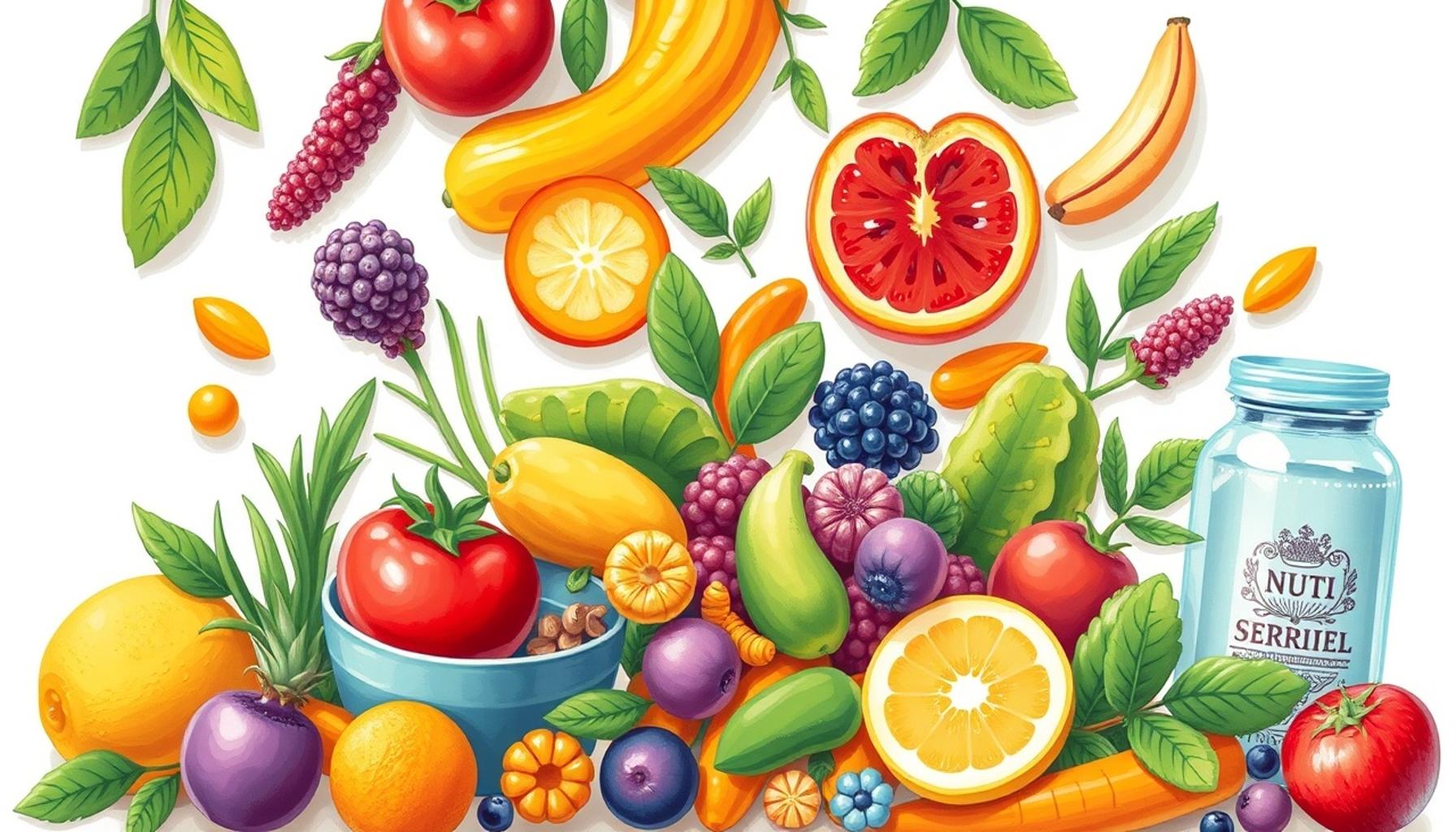
Skincare Routine: How Diet Influences Skin Longevity
Unlocking the Secrets of Healthy Skin
Your skin is often a reflection of what you consume. With the right dietary choices, you can enhance not just your skin’s appearance but also its longevity. The connection between nutrition and skin health is a topic that continues to capture attention in the skincare community. By understanding how various nutrients affect skin health, you can make informed decisions that promote a radiant complexion.
Research suggests that certain foods can significantly impact your skin’s vitality. Consider these key dietary elements:
- Antioxidants: These compounds are abundant in colorful fruits and vegetables such as blueberries, spinach, and carrots. They neutralize free radicals—unstable molecules that can accelerate skin aging, contributing to fine lines and wrinkles. Regular intake of antioxidants can enhance skin luminosity and provide a protective barrier against environmental stressors.
- Healthy fats: Foods rich in omega-3 fatty acids, such as salmon, walnuts, and flaxseeds, play a crucial role in maintaining skin elasticity. These healthy fats support the skin’s lipid barrier, reducing moisture loss and giving it a plump, youthful appearance. Studies have shown that omega-3s can also help manage conditions like eczema and psoriasis.
- Hydration: Staying hydrated is essential for maintaining skin moisture and barrier function. While drinking water is vital, you can also consume hydrating foods like cucumbers, oranges, and strawberries. These not only replenish fluids but also provide additional vitamins that enhance skin health.
More than just topical applications, a solid skincare routine needs to be complemented by mindful eating. It’s essential to recognize that what you put into your body can be just as impactful as the serums and creams you apply on your skin. A well-rounded diet that includes a variety of nutrients can lead to noticeable improvements in skin texture and resilience.
As you explore what foods can elevate your skincare regimen, consider the broader lifestyle choices that contribute to lasting beauty. For instance, a diet high in processed foods and sugars can lead to inflammation, which is often reflected in skin issues like acne and dullness. Conversely, incorporating whole foods like avocados, nuts, and legumes can provide the essential vitamins and minerals necessary for repairing and rejuvenating skin.
This awareness of the intricate relationship between diet and skin health can empower you to take charge of your skincare journey. By fostering healthy eating habits and being mindful about nutrient intake, you can pave the way toward healthier, more resilient skin. Engaging with this holistic approach not only boosts your skin’s appearance but can also enhance your overall well-being, making it a worthwhile investment in your beauty regimen.
DISCOVER MORE: Click here to learn about the transformative power of peptides
The Nutritional Foundation of Radiant Skin
Your journey towards healthier skin begins with understanding how diet influences skin longevity. It’s no secret that the foods we eat play a crucial role in our overall health, but their impact on skin health is especially vital. As we explore the intricate relationship between nutrition and skin vitality, it becomes clear that specific dietary components can either enhance or deteriorate your skin’s natural beauty.
For those looking to maintain a youthful appearance, consider the following key nutrients whose benefits extend beyond just internal health:
- Vitamin C: Known for its role in collagen production, vitamin C is a powerful antioxidant that helps combat skin aging. Citrus fruits, strawberries, and bell peppers are excellent sources of this essential vitamin. Regular consumption can boost skin firmness and reduce the visibility of fine lines.
- Zinc: This crucial mineral assists in oil regulation and helps the body repair skin tissue. Found in foods like pumpkin seeds, chickpeas, and lean meats, zinc contributes to an even skin tone and can be particularly effective for those who suffer from acne.
- Polyphenols: These are compounds found in foods like green tea, dark chocolate, and berries. Polyphenols possess anti-inflammatory properties that can protect the skin from damage caused by UV rays and pollution, promoting a more youthful appearance.
It’s fascinating how incorporating these nutrient-dense foods into your diet can lead to transformative effects on your skin. For example, a diet rich in vitamin C not only aids in producing collagen but also serves to protect the skin from oxidative stress caused by environmental factors like pollution and sun exposure. This highlights the dual role that nutrition plays—nourishing from within while simultaneously safeguarding against external threats.
To further emphasize this connection, consider the impact of inflammatory foods. High-sugar and high-fat diets, common in processed foods, can exacerbate skin conditions and contribute to premature aging. Refined sugars can lead to glycation, a process that damages collagen and elastin, both of which are vital for maintaining skin’s elasticity and firmness. Making conscious dietary choices is therefore paramount when striving for radiant skin.
So, as you curate a skincare routine that fits your personal needs, remember that your dietary habits are equally essential. The journey to robust skin health is not just a matter of slathering creams and lotions, but also a reflection of what you nourish your body with. Embracing a holistic approach by incorporating nutrient-dense foods into your meals will not only enhance your skin’s health but also contribute to overall well-being.
Understanding the Connection Between Diet and Skin Health
A well-balanced diet is essential not only for overall health but also for maintaining radiant skin that stands the test of time. Various studies have shown that specific nutrients play a pivotal role in enhancing skin health, which can, in turn, influence skin longevity. For instance, antioxidants found in fruits and vegetables help combat oxidative stress, a leading cause of skin aging. Foods rich in vitamins C and E, such as citrus fruits, berries, and nuts, work synergistically to protect skin cells from damage.Moreover, the role of essential fatty acids cannot be overstated. Omega-3 and Omega-6 fatty acids, prevalent in fish, flaxseeds, and walnuts, are integral in maintaining the skin’s lipid barrier, which prevents moisture loss and keeps the skin hydrated. Insufficient intake of these healthy fats can lead to dryness and irritation, accelerating the aging process.It’s also beneficial to consider the impact of glycemic index (GI) on skin vitality. High-GI foods, such as white bread and sugary snacks, can lead to increased insulin levels, triggering inflammation and potentially exacerbating skin conditions like acne. Thus, opting for low-GI alternatives, such as whole grains and legumes, can help in achieving clearer and healthier skin.Lastly, hydration is another often overlooked aspect of a skincare routine influenced by diet. Drinking ample amounts of water ensures skin remains plump and elastic. Additionally, certain foods, such as cucumbers and watermelon, with high water content, can contribute toward maintaining hydration levels.In summary, a holistic approach to diet that incorporates a variety of nutrient-rich foods, while avoiding processed and high-sugar items, is crucial for enhancing skin longevity. By making informed dietary choices, individuals can pave the way for a glowing complexion that defies age. Given these insights, it’s clear that the food we consume plays an essential role in maintaining youthful and vibrant skin, making it vital to understand how to optimize our diets for skincare benefits.
| Nutrient Category | Impact on Skin Longevity |
|---|---|
| Antioxidants | Combat oxidative stress, promoting cellular renewal. |
| Fatty Acids | Enhance skin hydration and resilience, preventing dryness. |
| Low-GI Foods | Reduce inflammation, leading to clearer skin. |
| Hydration | Keeps skin plump and elastic, reducing signs of aging. |
Incorporating these elements into your daily regimen can significantly enhance the health and appearance of your skin, ensuring it remains youthful for years to come. Newly documented research continues to uncover how dietary adjustments can provide transformative effects on skincare, thus making it advantageous for individuals to adopt such preventive measures. By understanding the intimate relationship between food and skin, individuals can make an informed choice that favors long-term skin vitality.
DISCOVER MORE: Click here to learn about eco-friendly beauty routines
The Role of Hydration and Healthy Fats
When discussing how diet influences skin longevity, we cannot overlook the quintessential role of hydration. Water is fundamental for maintaining skin moisture and elasticity. Parched skin can lead to dullness and a lackluster appearance, giving rise to premature signs of aging. In fact, studies suggest that even mild dehydration can lead to increased roughness and flakiness. Thus, aiming for at least eight glasses of water a day, along with hydrating foods like cucumber, watermelon, and oranges, is a pivotal step towards achieving that coveted glowing complexion.
However, hydration is just one part of the equation; incorporating healthy fats into your diet can also significantly enhance skin health. Foods rich in omega-3 and omega-6 fatty acids, such as fatty fish (like salmon and mackerel), walnuts, and flaxseeds, help to fortify the skin’s natural barrier. This barrier is crucial in retaining moisture and keeping harmful substances out. For instance, omega-3 fatty acids possess anti-inflammatory properties, which can be beneficial for conditions such as eczema and psoriasis, helping keep flare-ups at bay.
The Impact of Antioxidants and Fermented Foods
Antioxidants are another vital component of a skin-loving diet. These compounds help neutralize free radicals—unstable molecules that can cause cellular damage and lead to accelerated aging. Foods abundant in antioxidants, including leafy greens, sweet potatoes, and berries, not only protect your skin but also improve overall complexion. Curiously, the antioxidant properties of these foods can also enhance the skin’s natural defenses against sun damage, thus reducing the risk of sunburn and skin cancer.
Moreover, the rise of fermented foods in the American diet has empowered many individuals to tap into their skin-enhancing benefits. Foods like yogurt, kimchi, and kombucha are rich in probiotics that promote gut health, an often-overlooked aspect of skin health. There’s a growing body of research that suggests a healthy gut microbiome can positively influence skin conditions such as acne and rosacea. By supporting digestion and enhancing nutrient absorption, probiotics can help improve skin texture and reduce inflammation.
The Importance of a Balanced Diet
Adopting a balanced diet is critical in your pursuit of skin longevity. This means not just eliminating foods detrimental to skin health, such as refined grains and excessive dairy, but also ensuring you consume a variety of foods that provide an array of nutrients. For instance, the Mediterranean diet, which emphasizes whole grains, healthy fats, lean proteins, and a high intake of fruits and vegetables, is frequently heralded for its skin-enhancing properties.
Interestingly, studies have shown that individuals who adhere to a Mediterranean-style diet often report fewer skin issues and enjoy a more youthful appearance. It reiterates the importance of being mindful about what’s on your plate, not just for your waistline, but for your skin’s vitality as well. Ultimately, making informed dietary choices enables you to craft a powerful skincare routine that transcends topical applications, leading to a more radiant and enduring complexion.
DISCOVER MORE: Click here for personalized night care strategies
Conclusion
In summary, the intricate connection between diet and skin longevity highlights how what we consume profoundly affects our skin’s health and appearance. Innovations in nutritional science reveal that hydration is not merely about drinking water; it encompasses a lifestyle of consuming hydrating foods like fruits and vegetables. Moreover, the introduction of healthy fats, particularly omega-rich sources, plays a crucial role in maintaining the skin’s barrier against external aggressors, keeping it smooth and youthful.
Antioxidants found in vibrant, colorful foods not only combat oxidative stress but also enhance the skin’s resilience against sun damage. Meanwhile, the rise of fermented foods brings to light the fascinating relationship between gut health and skin vitality, inviting further investigation into how probiotics can positively reshape our skincare routines.
Beyond specific food groups, the overarching theme remains clear: a balanced diet is integral to achieving healthy, glowing skin. The Mediterranean diet serves as an exemplary model, proving beneficial not just for heart health but also for enhancing overall skin condition. As you set out on your journey towards skin longevity, consider making conscious dietary adjustments alongside your skincare regimen. Remember, each meal presents an opportunity to nourish not just your body, but your skin, paving the way for a radiant complexion that stands the test of time.