Music and Memory: The Relationship Between Musical Exploration and Personal Memories
Unlocking Memories Through Melody
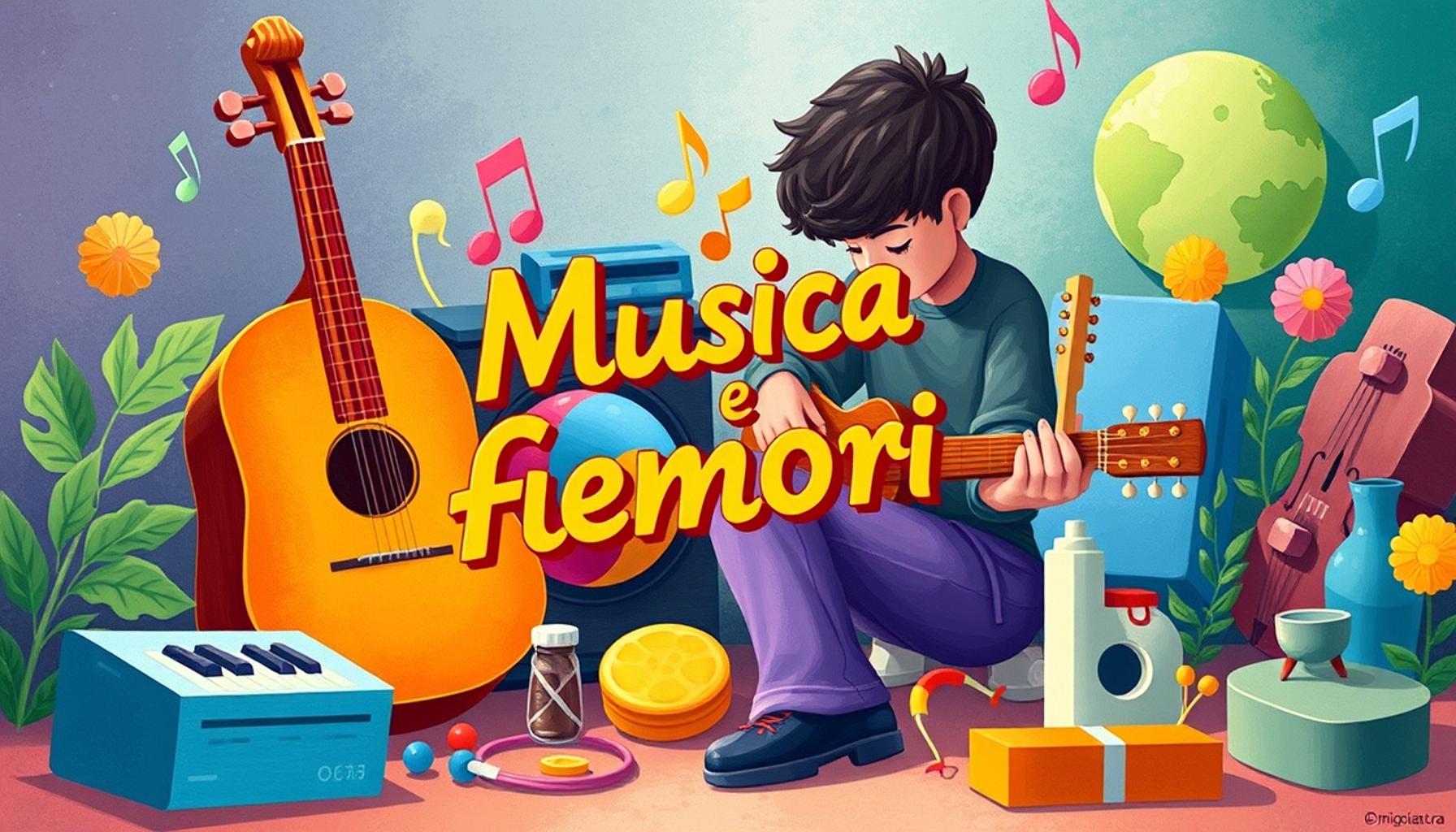
Have you ever felt a surge of nostalgia wash over you when you hear a familiar tune? The connection between music and memory is not just poetic—it’s a well-researched psychological phenomenon that enriches our emotional landscape and cognitive experiences. This intricate relationship opens a window into our pasts, weaving sound into the fabric of our personal histories.
Music possesses a remarkable ability to evoke vivid memories and stir profound emotions. For example, a high school graduation song might transport you back to that day, bringing to mind the faces of friends, the laughter shared, and the hopes for the future. Likewise, consider these specific instances of how music cultivates memory recall:
- Childhood Tunes: Listening to the theme of a favorite childhood TV show can elicit memories of lazy Saturday mornings spent in front of the television or family road trips filled with sing-alongs.
- Life Milestones: Songs played at weddings or during significant life events often become indelibly etched in our minds, serving as auditory markers of significant achievements and unforgettable celebrations.
- Cultural Significance: Music that resonates with our cultural or familial heritage—be it jazz, country, or folk—can forge connections to our roots and shared histories, nurturing a sense of belonging.
Neuroscientific research shows that engaging with music stimulates various areas of the brain, especially those associated with emotion and memory. Neuroimaging studies reveal that musical notes can not only trigger specific memories but can also facilitate emotional processing. This makes music a powerful tool in therapeutic settings, helping individuals with Alzheimer’s or dementia reconnect with memories from their pasts.
Moreover, our cultural background significantly influences our musical preferences and the memories that accompany them. For instance, many Americans may recall the soul-stirring melodies of Motown or the energetic beats of hip-hop, with each genre encapsulating distinct life experiences and cultural narratives. This shared musical language can foster community and understanding across diverse populations.
Additionally, studies show that exploring different musical styles enhances cognitive function and emotional well-being. Engaging with music encourages brain plasticity, which is vital for learning and memory retention. Thus, whether you hit the high notes in the shower or get lost in the rhythm of a favorite album, music is a timeless resource for enriching our lives.
As you reflect on the profound connection between music and memory, consider the songs that have influenced your own life story. Which melodies evoke your fondest memories, and how have they shaped your experiences? Join us in delving into the enchanting world where sound intertwines with our cherished moments, and let the journey of musical discovery unfold.
DISCOVER MORE: Click here to dive into the world of origami
The Science Behind Sound and Recollection
At the intersection of music and memory lies a fascinating interplay that transcends mere enjoyment; it is a profound connection backed by scientific inquiry. Research has extensively documented the way music activates the brain’s regions responsible for processing memories and emotions, particularly the hippocampus and the amygdala. These brain structures are integral to our ability to store and retrieve memories, suggesting that musical notes can serve as triggers, revisiting chapters of our lives every time a familiar song plays.
One compelling study conducted by researchers at the University of California, brain imaging showed that certain melodies can evoke specific autobiographical memories in individuals. This phenomenon occurs not only because of the song itself but also due to the unique context in which we experienced it. This idea reinforces the notion that every piece of music we hold dear is interwoven with our life experiences, emotions, and personal narratives.
Exploring the connection between music and memory extends beyond the neurological pathways; personal memories can be categorized into several types, often revitalized through musical encounters. Here are some ways music serves as a conduit for recalling specific memories:
- Soundtracks of Our Lives: Think of a song that filled the radio during your first road trip. Such tunes hold the power to take you back in time, imbuing experiences with emotional resonance.
- Social Context: Gatherings centered around specific songs, whether a college party or family gathering, can solidify those tracks as memory milestones, shaping how they are recalled long after the event.
- Mirroring Moods: Music can reflect our emotional states during pivotal moments, whether heartache, joy, or adventure. The pieces that accompanied these feelings often remain forever linked to those memories.
Cultural influences further deepen our bond with music and memory. For instance, a person raised on classic rock may find that the genre triggers memories of rebellious teenage years, while someone raised in a family of classical musicians might find profound nostalgia in symphonies. The interplay of music and personal history creates a rich tapestry, where sounds not only define moments but also shape our identities.
The notion of musical exploration broadens even further when considering how engaging with various genres can enhance our cognitive abilities. By exposing ourselves to different musical styles, we stimulate neural connections, encouraging brain plasticity and improving memory retention. A blend of jazz, blues, or even indie rock can elevate our emotional well-being, leading to a more robust memory recall framework.
How often do you pause to reflect on how music has painted your past? Consider the pivotal role it plays in your life’s soundtrack, and allow yourself to explore the enchanting ways in which melodies unlock the doors to your most cherished memories. With each note, there lies a journey waiting to unveil the depths of personal history, shaping who we are today.
As we delve deeper into the fascinating connection between music and memory, it becomes evident that the exploration of music can evoke profound emotional responses tied to personal experiences. Neuroscience continues to unveil how specific melodies can trigger flashbacks of childhood moments, feelings of nostalgia, or significant life events. For instance, individuals suffering from Alzheimer’s disease often show remarkable recall of songs from their past, illuminating the potential of music as a transformative tool for memory retrieval.
Moreover, the act of musical exploration, whether through playing an instrument or participating in communal singing, enhances neural connectivity in the brain. This stimulation not only fosters cognitive resilience but also contributes to emotional well-being. Engaging with music allows individuals to reconnect with their personal narratives, providing a unique gateway into the complexities of their identities.
Research highlights that the process of creating or listening to music can facilitate the release of neurotransmitters such as dopamine, often referred to as the “feel-good” hormone. This biochemical reaction supports the notion that music serves as a powerful medium for emotional expression and memory reinforcement. By immersing ourselves in different genres, we not only broaden our musical horizons but also enrich our emotional experiences, ultimately becoming a narrative woven through the fabric of our lives.
| Category | Benefits |
|---|---|
| Emotional Recall | Certain songs can trigger vivid memories, creating emotional connections. |
| Cognitive Enhancement | Musical engagement boosts brain function, improving memory retention features. |
This intricate relationship between music and memory showcases not just the power of music to evoke feelings but its potential as a therapeutic tool. The growing field of music therapy exemplifies how structured interventions can lead to significant improvements in cognitive function and emotional health. Individuals of all ages can benefit from integrating musical experiences into their lives, fostering a harmonious balance of memory and emotion.
DISCOVER MORE: Click here to dive into fabric painting techniques!
The Role of Musical Identity in Memory Formation
The exploration of musical identity significantly shapes our personal memories and recollections. As individuals traverse through different phases of their lives, their musical tastes often evolve, creating a soundtrack that encapsulates their experiences. This dynamic relationship between music and memory reflects not only personal preferences but also a broader cultural engagement that resonates through generations.
In the realm of musical exploration, the impact of generational genres cannot be overlooked. For example, songs from the 80s, characterized by their distinct sound, evoke nostalgia among those who grew up during that time, fostering a sense of connection to shared experiences within a community. In contrast, today’s youth are increasingly drawn to digital platforms, where music from various eras is readily available, enabling them to create hybrid playlists that merge influences from different decades. This diversification reinforces the notion that music serves as a bridge across time, connecting memories from different cultural backgrounds and historical contexts.
Additionally, the concept of “earworms”, or songs that stick in our minds, plays a pivotal role in memory retention. Research has shown that catchy melodies can trigger outstanding memory recall, often reviving vivid details of past experiences. This is particularly evident in advertising and marketing, where jingles are designed to be memorable to embed a product or brand within consumers’ minds. In the same way, personal earworms can anchor memories in our lives, turning everyday moments into significant milestones. For instance, hearing a specific song on the radio may evoke recollections of a summer romance or a road trip adventure.
The context in which music is engaged also heavily influences how memories are formed. Studies indicate that when music is associated with heightened emotional states—such as attending concerts, celebrations, or significant life events—the memories encoded during these experiences become more profound. This correlation suggests that live music performances act as catalysts for potent emotional memories. Imagine attending a concert where the artist performs the very song you danced to at your wedding; the experience is reinforced not only by the music but by the collective energy of those around you, making it even more unforgettable.
Moreover, the therapeutic aspect of music cannot be dismissed, especially in relation to memory recovery in therapeutic settings. For individuals suffering from memory-related ailments like Alzheimer’s disease, familiar music has proven beneficial in unlocking dormant memories and providing a sense of calm and recognition. This phenomenon highlights the ability of music to transcend cognitive barriers, reaffirming its fundamental role in human connections and memory recall.
Significantly, the shift towards various digital platforms allows for greater accessibility and personal curation of music. Streaming services enable users to explore genres and artists spanning decades and cultures, facilitating a deeper connection to diverse musical traditions. As listeners navigate through this vast landscape of sound, they are likely to encounter tracks that resonate with their identity, encapsulating personal experiences and memories tied intricately to the music they love.
Ultimately, the relationship between musical exploration and personal memories is a multifaceted phenomenon that intertwines psychology, culture, and individual experiences. With each song capable of unlocking fragments of our past, the power of music continues to evoke emotions and memories that profoundly shape who we are and how we relate to the world around us.
DIVE DEEPER: Click here to discover how reading fuels your writing passion
Conclusion: The Resonance of Music and Memory
In exploring the intricate relationship between music and memory, it becomes evident that music serves not just as a form of entertainment but as a profound companion in our personal journeys. Each note and lyric holds the potential to unlock a treasure trove of memories, forging connections to moments that define who we are. Through the lens of musical exploration, we discover how varying genres and eras offer rich soundtracks to our experiences, echoing shared emotions that foster community and nostalgia.
As we traverse through life, our evolving musical identity paints a vivid picture of our past, allowing for reflection and growth. The integration of music into significant life milestones—be it through live performances or cherished playlists—deepens our emotional connections to those experiences. Moreover, scientific insights into the impact of catchy tunes and familiar melodies reveal their powerful role in memory retention, reminding us why certain songs linger with us for years.
In today’s digital landscape, the accessibility of diverse musical styles fosters a unique opportunity for individuals to curate their soundtracks, enriching their identities and memories further. As music continues to connect us to our past and to each other, its therapeutic potential also sheds light on its ability to restore memories, particularly for those facing cognitive challenges.
Ultimately, understanding the relationship between music and memory encourages us to embrace the emotional landscapes woven through our favorite songs. By continuing to explore and engage with music, we not only honor our personal histories but also create new memories, reinforcing the timeless relevance of music in our lives.
Related posts:
Musical Collaborations: Creative Innovation Through Interaction with Other Musicians
The Composer's Journey: How Exploring New Sounds Can Transform Your Compositions
Music and Self-Knowledge: Discovering Your Identity Through Musical Exploration
Music and Movement: How Dance Can Inspire New Compositions and Sound Explorations
Music and Nature: The Connection between Natural Sounds and Musical Creativity
Exploring the Music of the World: How Different Cultures Can Enrich Your Creative Repertoire

Beatriz Johnson is a seasoned creative enthusiast and writer with a passion for simplifying the intricacies of artistic hobbies and DIY projects. With over a decade of experience exploring various creative fields, she specializes in topics like crafting, painting, and innovative DIY techniques. Through her work, Beatriz inspires readers to unleash their creativity, try new artistic endeavors, and stay inspired in the ever-evolving world of creative hobbies.