
How Diet Affects Each Skin Type: Foods that Help and Harm
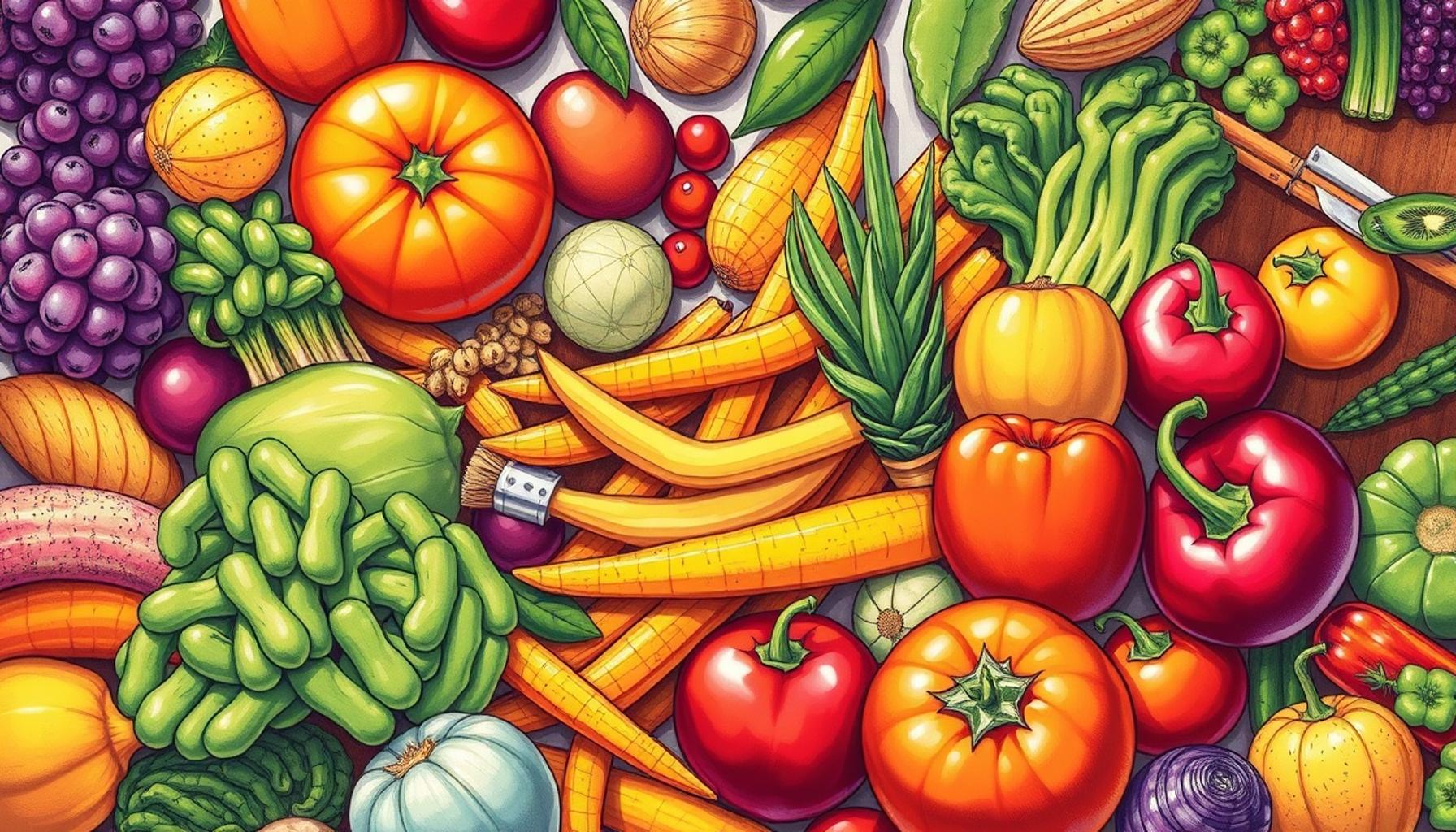
Unveiling the Connection Between Diet and Skin Health
The food we consume plays a significant role in shaping our overall health, but its impact extends far beyond the internal. Our skin, the body’s largest organ, is highly sensitive to dietary choices. Understanding how diet affects each skin type can unlock the secrets to achieving a radiant complexion.
Key Aspects of Diet and Skin
Different skin types, whether oily, dry, combination, or sensitive, respond uniquely to various foods. It’s crucial to know which ingredients provide nourishment and which may trigger adverse reactions. Here are a few examples of how diet correlates with skin health:
- Healthy Fats: Sources like avocados and fatty fish, such as salmon and mackerel, are rich in omega-3 fatty acids, which are essential for maintaining skin hydration. These fats combat inflammation and help to repair the skin barrier, fostering a supple and fresh complexion. Incorporating a handful of walnuts or a drizzle of olive oil into meals can also provide beneficial nutrients.
- Sugary Foods: Excessive sugar intake can wreak havoc on your skin by triggering glycation, a process that damages collagen and elastin, proteins crucial for skin elasticity. Consuming high amounts of sweets can lead to breakouts and a dull complexion over time. A common alternative is to opt for natural sweeteners like honey or to satisfy your sweet tooth with fresh fruits, which provide necessary vitamins and antioxidants.
- Antioxidants: Foods rich in antioxidants, such as blueberries, kale, and spinach, play a critical role in neutralizing free radicals that contribute to skin aging. These nutrients help prevent oxidative stress, which can manifest as wrinkles and uneven skin tone. Incorporating a colorful array of fruits and vegetables into your meals not only enhances flavor but also maximizes skin benefits.
Furthermore, understanding these relationships can lead to better choices that suit your skin’s unique needs. For instance, those with acne-prone skin may benefit from a diet rich in anti-inflammatory foods, alongside avoiding dairy and high-glycemic-index carbs, which can exacerbate breakouts. In contrast, individuals with dry skin might find relief not just in drinking enough water but also in consuming nuts, seeds, and fatty fish that supply essential oils for moisture retention.
Embarking on this journey of dietary exploration not only encourages a healthier lifestyle but also empowers you to make informed decisions about what impacts your skin. Each food choice can be seen as a step towards better skin health. As we dive deeper into the fascinating world of foods that help and harm each skin type, consider documenting your diet and its effects on your skin. You might discover which specific foods nourish your unique complexion and which ones are best avoided. Understanding your skin’s response to dietary changes might just reveal the key to achieving that coveted glow!
DISCOVER MORE: Click here to learn the truth about parabens
Foods That Nourish and Harm: Exploring Diet’s Influence on Different Skin Types
The intricate relationship between diet and skin health undeniably hinges on the specific needs of different skin types. From oily to dry, each skin type possesses unique characteristics that can be amplified or diminished through nutritional choices. Recognizing the right foods is paramount for promoting healthy skin. Here’s a closer look at how dietary habits can significantly impact the four primary skin types.
Oily Skin
Individuals with oily skin often struggle with excess sebum production, leading to enlarged pores and frequent breakouts. To manage this skin type, it’s essential to focus on a diet that supports oil balance. Consuming foods rich in omega-3 fatty acids, such as flaxseeds and pan-seared fatty fish, can help regulate oil production. Moreover, incorporating whole grains and vegetables can stabilize blood sugar levels, preventing insulin spikes that may trigger acne.
On the flip side, steering clear of refined carbohydrates and high-sugar foods is crucial. Elements like white bread and pastries can worsen oily skin conditions by enhancing inflammation and stimulating excess oil production. Instead, aiming for low-glycemic foods can lead to clearer skin.
Dry Skin
For those with dry skin, hydration is the key concern. Essential fatty acids, found in foods like avocados and nuts, are fundamental for nourishing and moisturizing the skin. Additionally, consuming foods high in vitamin E, such as spinach and almonds, can reinforce the skin barrier, protecting it from environmental stressors and preventing moisture loss.
However, individuals should be cautious of foods that can exacerbate dryness. Highly processed snacks and excessive caffeine can dehydrate the skin, leaving it feeling tight and uncomfortable. Incorporating a variety of colorful fruits rich in water content, like cucumbers and oranges, can aid in keeping the skin hydrated from the inside out.
Combination Skin
Combination skin presents a unique challenge, requiring a balanced approach to diet. Those with this skin type often experience dryness in some areas while struggling with oiliness in others. To cater to both aspects, a mixed diet focused on hydration and nutrients is ideal. Foods such as quinoa, sweet potatoes, and berries are excellent choices that provide beneficial vitamins without overwhelming the skin with heavy oils.
Avoiding overly rich or greasy foods is essential for combination skin, as these can lead to breakouts in the oilier areas. Instead, consider lean proteins such as chicken or tofu and plenty of leafy greens to maintain hydration and balance.
Sensitive Skin
If you have sensitive skin, the importance of a mindful diet cannot be overstated. Foods that are high in antioxidants, such as berries and green tea, can help reduce inflammation and strengthen the skin’s defenses. Including healthy fats from sources like olive oil can also soothe irritated skin.
Meanwhile, processing and refining can introduce troublesome additives that exacerbate sensitivity. It’s wise to limit consumption of processed foods, spicy dishes, and alcohol—all of which can lead to redness and irritation. Focusing on fresh, whole foods will aid in calming and nourishing sensitive skin.
Understanding these dietary influences offers not just an insight into how diet affects each skin type, but also encourages individuals to experiment with different foods in hopes of achieving healthier skin. As we delve deeper into specific food recommendations and restrictions for each skin type, you’ll discover that the path to radiant skin might be simpler than you ever thought possible.
How Diet Affects Each Skin Type: Foods that Help and Harm
The relationship between diet and skin health is undeniably significant, with various foods impacting skin type and condition in multiple ways. Understanding these effects can help tailor diets to promote healthier skin, mitigate issues, and enhance overall appearance.
For those with oily skin, incorporating foods rich in omega-3 fatty acids can be beneficial. Sources like salmon, chia seeds, and walnuts help reduce inflammation and balance oil production. On the other hand, greasy, processed foods may exacerbate issues by promoting the overproduction of oil and leading to breakouts.
Dry skin types benefit from hydration-promoting foods. Avocados, nuts, and sweet potatoes contain healthy fats and vitamins that nourish the skin internally. However, avoiding excessive sugar can be crucial, as it may lead to glycation, degrading collagen and making the skin appear aged and flaky.
For those with combination skin, a balanced diet is essential. Nutrient-rich foods such as leafy greens, whole grains, and lean proteins can help regulate skin health. Fried foods and high-fat dairy products should be limited, as they can trigger breakouts or cause dry patches. Aiming for nutrient diversity supports skin homeostasis.
Moreover, individuals with sensitive skin should focus on foods that reduce inflammation and support gut health. Probiotics found in yogurt and fermented foods can enhance the microbiome, potentially improving skin barrier functions. Processed foods and artificial additives, on the contrary, can provoke skin reactions, leading to redness and irritation.
| Skin Type | Recommended Foods |
|---|---|
| Oily Skin | Omega-3 rich foods (salmon, chia seeds) |
| Dry Skin | Avocados, nuts, sweet potatoes |
| Combination Skin | Leafy greens, whole grains, lean proteins |
| Sensitive Skin | Probiotics (yogurt, fermented foods) |
Understanding how diet impacts skin health can empower individuals to make informed choices, enhancing their skin’s condition and appearance. By integrating these dietary strategies, individuals can begin a journey towards healthier skin matched to their unique skin type.
DIVE DEEPER: Click here to discover the latest advancements
Personalizing Your Plate: Tailoring Diet to Each Skin Type
As we explore the role of nutrition in skincare, it becomes evident that no single diet can suit everyone, especially when accounting for individual skin types. Finding the right foods to promote healthy skin is crucial, and understanding how certain elements contribute positively or negatively can empower individuals to make informed choices.
Acne-Prone Skin
For those battling acne-prone skin, diet can serve as a formidable ally or enemy in the quest for clear skin. Foods rich in zinc, such as pumpkin seeds and oysters, can help reduce inflammation and control sebum production. Moreover, incorporating antioxidant-rich foods, like carrots and sweet potatoes, not only enhances skin health but also aids in fighting acne-causing bacteria.
In contrast, high-glycemic foods—like sugary cereals and soda—can precipitate acne flare-ups by increasing insulin levels, which, in turn, promotes oil production. Additionally, dairy products have been linked to increased breakouts for some individuals, making it wise to monitor their intake closely.
Aging Skin
For those grappling with signs of aging skin, enhancing collagen and hydration levels should be top priorities. Foods rich in vitamin C, such as oranges and kiwis, play a pivotal role in collagen synthesis, while berries—packed with antioxidants—help fend off free radicals that contribute to aging. Omega-3 fatty acids from sources like salmon and walnuts also support skin elasticity, resulting in a more youthful appearance.
However, certain dietary choices can accelerate aging. Foods high in sugar can lead to glycation, a process that causes collagen and elastin fibers to stiffen and become less resilient over time. Furthermore, consuming excessive alcohol can lead to dehydration and inflamed skin, exacerbating the visible signs of aging.
Hyperpigmented Skin
Individuals with hyperpigmented skin, often characterized by dark patches, can find relief through a carefully curated diet. Foods rich in vitamin C and antioxidants are instrumental in reducing pigmentation. Consider citrusy fruits and vegetables like kale or broccoli that are not only beneficial but also offer anti-inflammatory properties.
Conversely, inflammatory foods, such as fried items and processed sugars, can worsen hyperpigmentation by triggering skin irritation and worsening pigmentation issues. Staying sufficiently hydrated by drinking ample water and consuming hydrating foods—like celery and watermelon—can help keep the skin glowing and minimize discoloration.
Eczema-Prone Skin
Those with eczema-prone skin require a gentle hand in selecting foods that can help soothe their inflammatory symptoms. Foods rich in omega-3 fatty acids, such as hemp seeds and chia seeds, have been shown to mitigate inflammation and positively impact skin barrier function. Moreover, incorporating moderate amounts of probiotics from fermented foods like yogurt or kimchi may support gut health, which is crucial for skin condition management.
On the other hand, individuals should be wary of common allergens, such as dairy, gluten, and nuts, which can trigger flare-ups in some people. Maintaining a food diary may be beneficial in identifying and eliminating potential irritants, leading to better skin health.
In summary, understanding how diet affects each skin type enables individuals to customize their nutrition in a way that nurtures their unique skin needs. By recognizing which foods bolster skin health and which may cause adverse reactions, individuals can embark on a path toward achieving the radiant skin they desire.
DISCOVER MORE: Click here to learn how to adapt your skincare routine</p
Final Thoughts: The Dietary Impact on Your Skin
In the quest for healthier skin, it is clear that diet plays an integral role in shaping its appearance and condition. Each skin type, be it acne-prone, aging, hyperpigmented, or eczema-prone, has distinct nutritional needs that can either mitigate or exacerbate existing issues. By being mindful of nutrient-rich foods and identifying what may trigger adverse reactions, individuals can pave the way for healthier skin through dietary adjustments.
For instance, integrating foods with antioxidants, omega-3 fatty acids, and vitamins plays a vital part in supporting skin health, while moderated intake of sugars, dairy, and inflammatory items can prevent flare-ups and keep skin disorders at bay. A commitment to hydration and selecting foods that nurture your specific skin type can lead to gradual but noticeable improvements.
Understanding your skin and its unique dietary requirements is an empowering journey. Consider consulting with a nutritionist or dermatologist to further refine your approach and unlock the potential of your skin. As you embark on this journey toward clearer, healthier skin, remember that small, consistent changes in your diet can result in significant and lasting impacts. Continue exploring the links between the foods you consume and the health of your skin, as this knowledge can not only enhance your appearance but also contribute to your overall wellness.